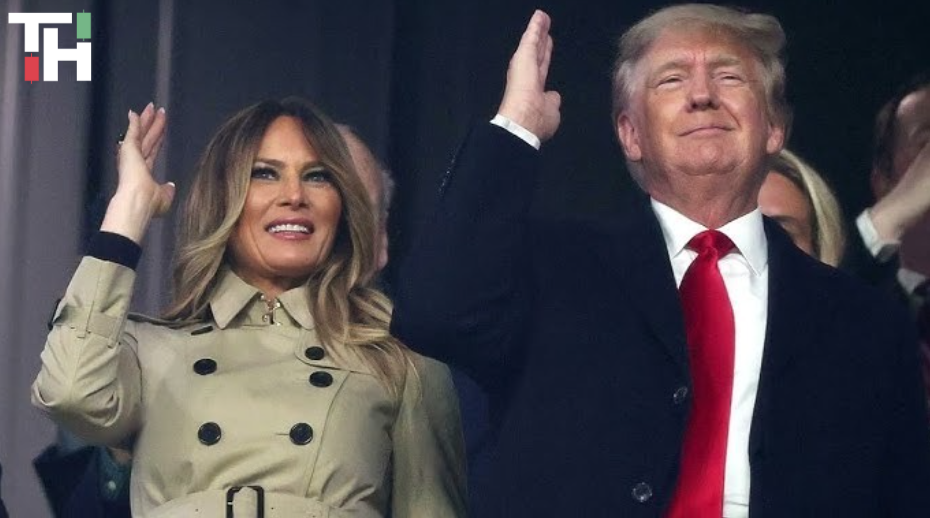
As Donald Trump positions the United States as the “crypto capital of the planet,” questions arise about the implications of his administration’s deepening ties to the cryptocurrency industry. While his pro-crypto stance promises accelerated growth, critics warn of potential corruption, investor risks, and national security threats.
Trump’s Crypto Ventures Spark Ethical Concerns
Despite once dismissing Bitcoin as a “scam,” Trump has embraced the crypto sector with personal stakes in ventures such as the meme coin $Trump and World Liberty Financial, a business co-founded with his sons. Launched shortly before his inauguration, $Trump soared in value, raising ethical alarms over potential self-enrichment through policies favoring cryptocurrency.
Critics, including ex-Federal Election Commission counsel Larry Noble, argue that such ventures erode government ethics. The token’s anonymity opens doors for foreign actors and businesses to potentially buy influence within the administration.
Crypto-Friendly Policies and Industry Influence
Trump’s administration has pushed pro-crypto policies, including establishing a working group to explore a national cryptocurrency stockpile. His appointment of crypto-friendly figures like Paul Atkins to chair the SEC and David Sacks as the nation’s first crypto and AI czar signals a softer regulatory approach.

Crypto firms have reciprocated with significant campaign contributions, such as Ripple’s $5 million donation to Trump’s inaugural events. Lobbying efforts by companies like Robinhood and Ripple have further cemented ties between the administration and the industry.
Fraud Risks and National Security Threats
Critics argue that laxer oversight may amplify fraud and national security risks. A 2024 study revealed North Korean hackers stole $1.34 billion in cryptocurrency to fund weapons programs. Domestically, crypto-related fraud has skyrocketed, with the FBI reporting $5.6 billion in losses in 2023, a 45% increase from the previous year.
High-profile scandals, including Sam Bankman-Fried’s conviction for defrauding FTX customers of $8 billion, underscore the sector’s vulnerabilities. Experts warn that unchecked growth could lead to a financial bubble similar to the 2008 crisis.
Calls for Stricter Regulation
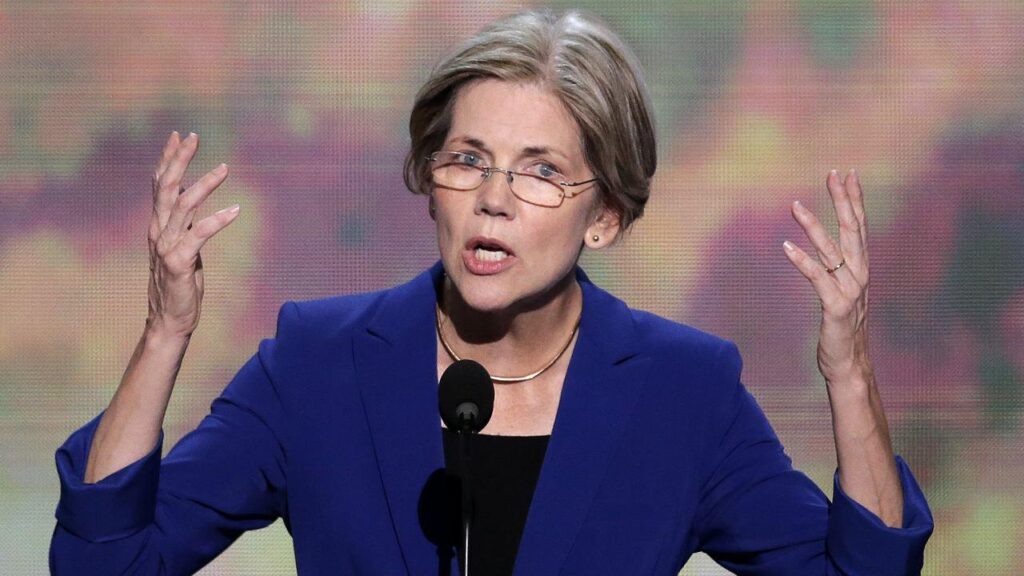
Amid these risks, lawmakers and watchdogs advocate for stronger cryptocurrency regulations. Senator Elizabeth Warren has emphasized bipartisan efforts to safeguard investors and the broader financial system. Additionally, Representative Jamie Raskin has highlighted the potential for meme coins to undermine campaign finance laws, enabling secretive and massive donations to politicians.
Former prosecutors stress the need for enhanced surveillance to counter crypto-related crimes. Without robust monitoring, the cryptocurrency space remains a haven for fraudsters and state-sponsored criminal activities.
Balancing Innovation and Oversight
Trump’s crypto agenda has ignited a complex debate: while it promises innovation and growth, it also raises significant ethical and regulatory concerns. Striking the right balance between fostering the industry and protecting investors, national security, and ethical governance will be critical in shaping the future of crypto in the United States.
Leave a Reply