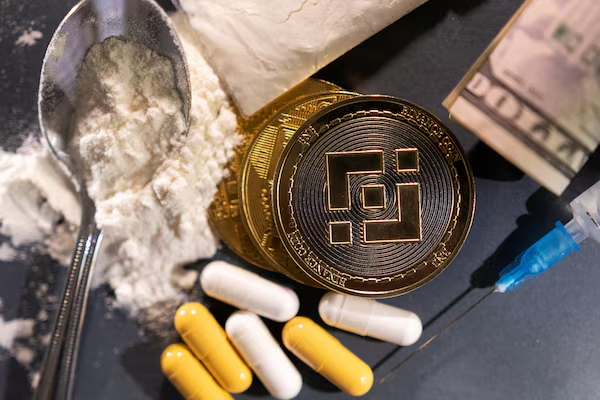
Despite crypto’s evolving regulatory landscape, Russian-language darknet marketplaces dominated drug-related crypto transactions in 2024, accounting for over 97% of illicit activity on Bitcoin and TRON networks. A TRM Labs report highlights the resilience of these platforms and a growing shift toward encrypted communication channels for illegal transactions.
Why Russian Darknets Continue to Thrive
Several factors fuel the dominance of Russian darknet marketplaces in the crypto drug trade. A low risk of enforcement action, combined with cheap chemical imports from China and rising demand for synthetic drugs, has allowed these platforms to flourish.
Interestingly, Russian operators follow an unusual code of conduct—unlike their Western counterparts, they rarely execute exit scams. Instead, they allow users to withdraw funds before shutting down, fostering trust within their communities. This contrasts sharply with Western markets, which frequently collapse due to takedowns or fraudulent closures, leaving users at a loss.
Illicit Drug Trade Shifts to Encrypted Messaging
While Russian marketplaces remained dominant, the global illicit drug trade saw a major shift in 2024. Vendors increasingly moved away from centralised darknet platforms in favour of encrypted messaging apps like Telegram, Signal, and secure email channels.
Initially popular in Western markets, this approach is now accelerating in Russian-speaking networks. Vendors prefer these platforms as they:
- Reduce reliance on darknet marketplaces, which are vulnerable to shutdowns.
- Lower transaction fees, increasing profits.
- Reach less tech-savvy buyers who may struggle with darknet navigation.
Crypto Use in Decentralised Drug Sales Surges
This decentralised shift has driven a sharp rise in crypto transactions linked to illicit sales. In 2023, crypto wallets associated with independent vendor shops received $289 million. By 2024, that figure more than doubled to over $600 million, showing that these alternative sales channels are rapidly gaining traction.
Many vendors now operate across multiple channels, including clearnet websites and social media, further expanding their customer base while staying ahead of law enforcement efforts.
Crypto’s Role in the Illicit Drug Market
Despite the staggering figures, crypto still plays a minor role in the global drug trade, accounting for less than 1% of total illicit transactions. Traditional cash transactions remain the preferred method for most drug deals due to their untraceability.
However, as enforcement agencies improve blockchain analytics, crypto’s use in illicit markets may face increasing scrutiny. For now, Russian darknet operators continue to exploit crypto’s pseudo-anonymous nature, shaping the future of digital drug trade.
Leave a Reply