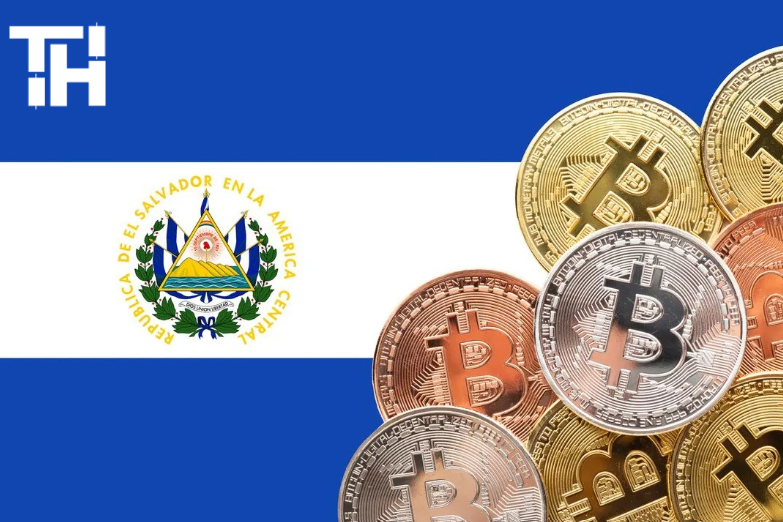
Majority of Providers Fail to Meet Bitcoin Law Requirements
Only 20 of the 181 Bitcoin service providers registered with El Salvador’s Central Reserve Bank are currently operational, according to a recent report by local outlet El Mundo. This figure represents just 11% of the total firms, with the remaining 161 listed as non-operational due to non-compliance with the country’s strict regulatory requirements under the Bitcoin Law.
The legislation, introduced in 2021 when El Salvador became the first country to adopt Bitcoin as legal tender alongside the US dollar, requires providers to maintain a robust Anti-Money Laundering (AML) programme, accurate asset records, and a tailored cybersecurity system. At least 22 of the non-operational firms have reportedly failed to meet most of these obligations, raising concerns about the level of oversight and accountability in the sector.
Operational Firms Include State-Backed Wallet
Despite the widespread non-compliance, a handful of firms have managed to fulfil the legal requirements and remain active. These include the government-backed Chivo Wallet, which was launched as part of President Nayib Bukele’s pro-Bitcoin agenda, as well as private companies like Crypto Trading & Investment and Fintech Américas.
The low number of compliant firms suggests challenges in adhering to the regulatory framework, which was designed to ensure financial transparency and system security within the digital asset space.
IMF Deal Sparks Questions Over Bitcoin’s Future
El Salvador’s commitment to Bitcoin has recently come under scrutiny following a $1.4 billion loan agreement with the International Monetary Fund (IMF). As part of the deal, the country agreed to limit its public sector use of Bitcoin and to collect taxes solely in US dollars.
On 3 March, the IMF publicly called on the Salvadoran government to halt its public Bitcoin purchases. However, President Bukele has maintained that the government will continue to buy Bitcoin, creating a potential conflict with the terms of the IMF arrangement.
Rollback of Legal Tender Status Expected
The IMF deal has reignited speculation that El Salvador may be preparing to scale back its Bitcoin ambitions. According to Bitcoin educator and activist John Dennehy, a new law aimed at rolling back Bitcoin’s legal tender status is expected to take effect on 30 April.
While the government has not officially confirmed any changes to Bitcoin’s status, the move would mark a significant shift from the administration’s earlier position, which championed cryptocurrency as a cornerstone of economic development and financial inclusion.
With the majority of registered firms struggling to comply with regulatory standards, and mounting international pressure, the future of Bitcoin in El Salvador remains uncertain.
Leave a Reply