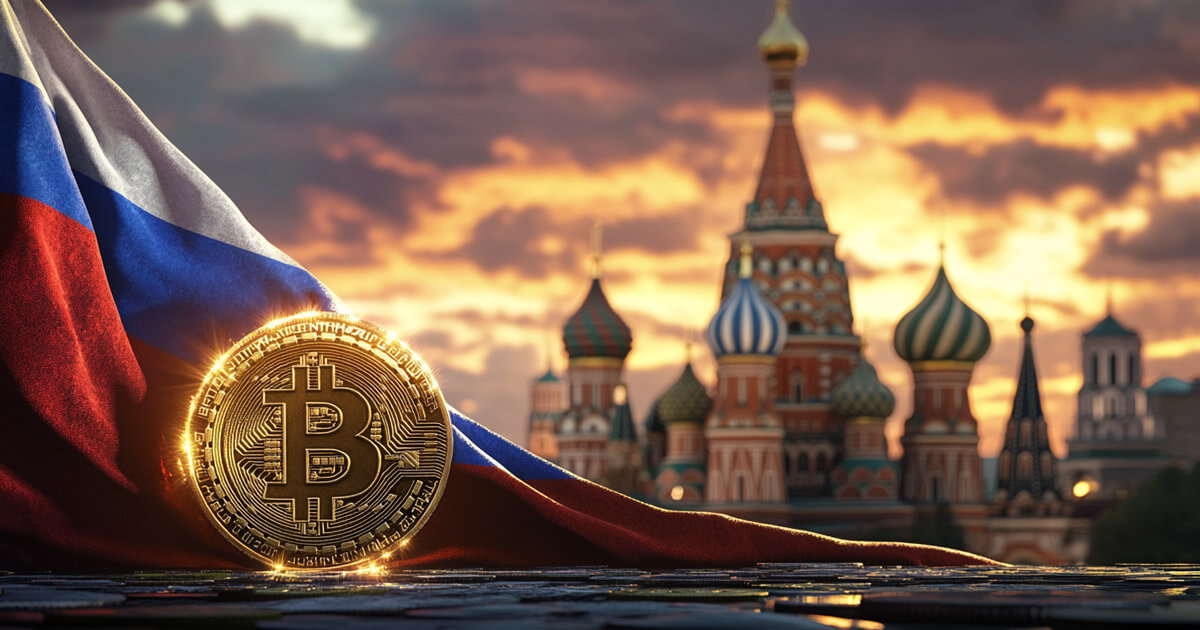
Russia is stepping into the regulated crypto space with plans to launch a state-run cryptocurrency exchange tailored for “super-qualified investors.” The initiative, revealed by Finance Minister Anton Siluanov, aims to legalise digital asset transactions under the country’s experimental legal regime (ELR).
A Regulated Exchange for Elite Investors
The proposed crypto exchange will cater exclusively to investors who meet stringent criteria. Individuals must demonstrate investments exceeding 100 million rubles or an annual income of at least 50 million rubles. Corporations and financial entities deemed “qualified investors” by Russian law will also have access.
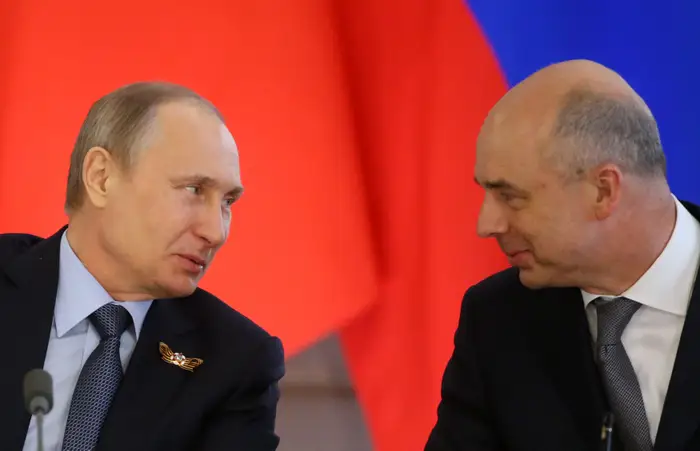
This move, supported by the Russian Ministry of Finance (Minfin) and the Central Bank of Russia (CBR), reflects the government’s intent to regulate crypto without disrupting the ruble’s status as legal tender.
A Three-Year Experimental Phase
The exchange will operate under a three-year experimental legal framework, following President Vladimir Putin’s directive. This trial phase aims to explore crypto trading’s potential while mitigating risks to Russia’s financial stability.
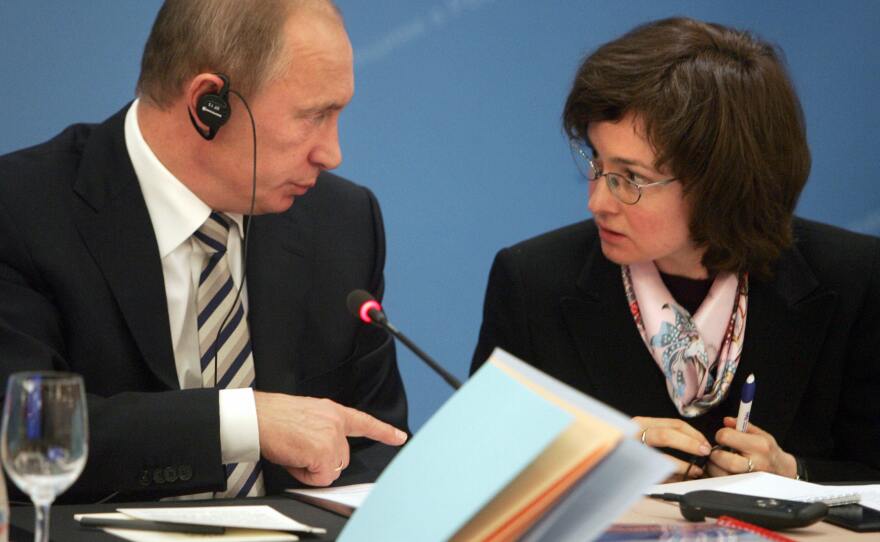
CBR Governor Elvira Nabiullina has highlighted rising interest among Russian businesses in cross-border crypto payments. The experimental regime could serve as a sandbox for these transactions, providing an alternative to conventional financial systems affected by Ukraine war-related sanctions.
Beyond Trading: A Russian Stablecoin in the Works?
Deputy Finance Minister Osman Kabaloev has hinted at the development of a Russian stablecoin, potentially akin to Tether (USDT). This initiative emerges amidst challenges like the freezing of assets on sanctioned exchanges such as Garantex.
The stablecoin could bolster domestic and international crypto transactions, offering businesses a secure, ruble-backed alternative for settlements.
Challenges and Geopolitical Implications
Russia’s pivot to crypto is as much about innovation as it is about navigating sanction-induced economic isolation. By enabling crypto-based international trade, Moscow seeks to bypass traditional financial channels.
However, the project’s exclusivity and stringent investor criteria raise concerns about accessibility and equity. Additionally, global regulatory scrutiny could complicate its integration with the broader crypto ecosystem.
Leave a Reply