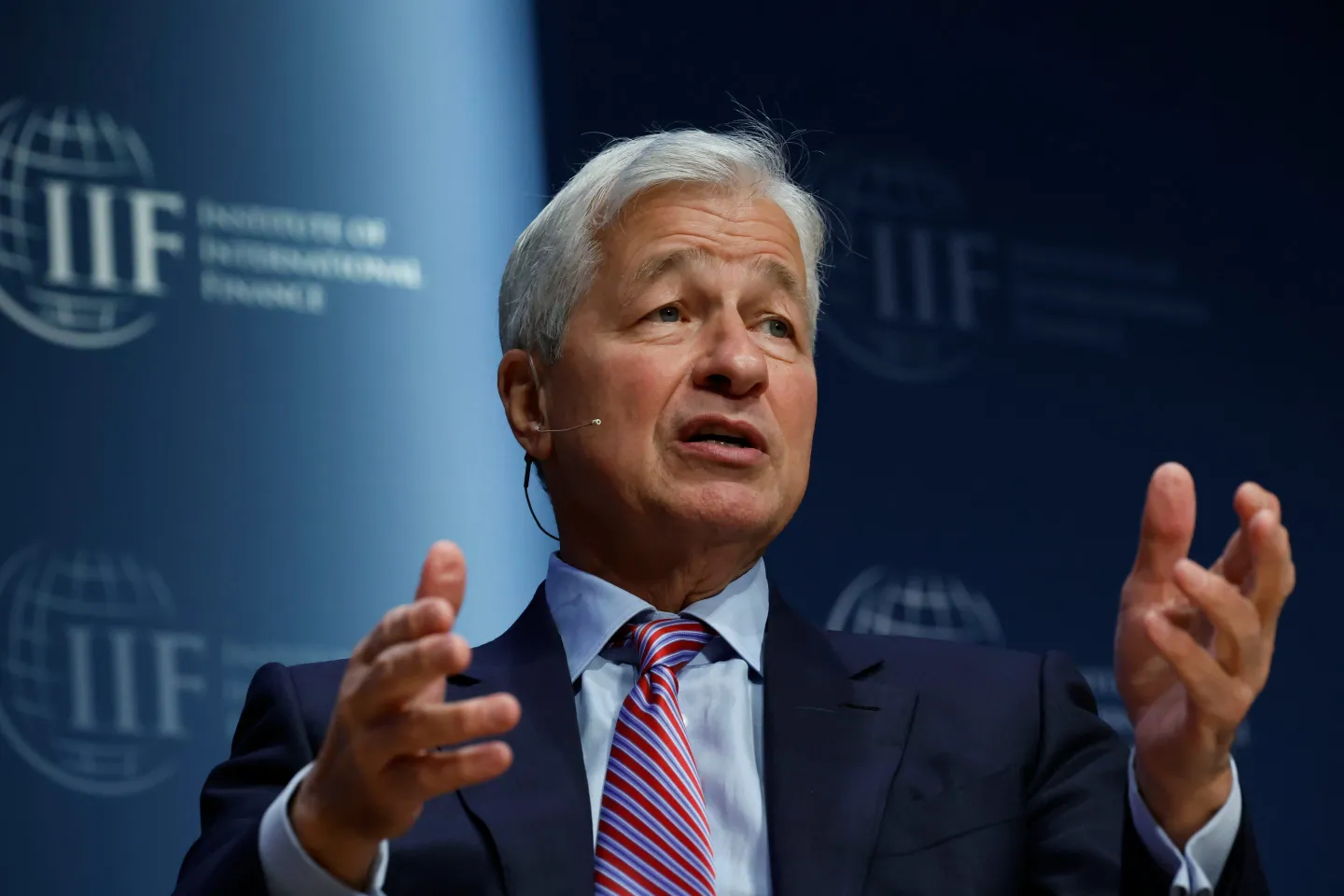
At JPMorgan Chase’s recent investor day, CEO Jamie Dimon delivered a sharp critique of financial regulators, arguing that in the years following the 2007–08 financial crisis, oversight had become excessively burdensome and counterproductive. Dimon claimed that regulatory bodies “went so far beyond what was reasonable that they should be embarrassed.” According to him, this regulatory onslaught has stifled banking innovation, driven financial activities into unregulated sectors, and introduced risks rather than mitigated them.
Dimon did not hold back in assigning blame. He accused regulators of operating in an “academic world” detached from financial realities and suggested that many “should be fired.” He highlighted the inconsistencies in the current regulatory environment that lead to inefficiencies, arbitrage, and unnecessary risk.
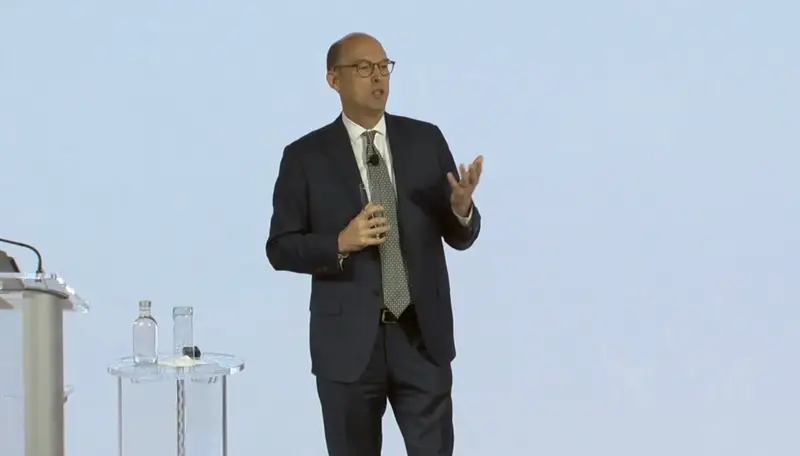
JPMorgan’s CFO, Jeremy Barnum, reinforced this perspective, stating that duplicative capital and liquidity rules had created layers of complexity that are now becoming risks in themselves. He urged regulators to review the entire regulatory framework from the past decade to determine which rules are genuinely beneficial and which are simply outdated or redundant.
Signs of Change under Trump-Era Appointees
Despite the harsh criticism, Dimon expressed cautious optimism that the tide might be turning. He praised the Trump administration’s financial agency appointees, stating that they were united in their desire to reform what they viewed as broken systems. While some reforms may take longer than others, Dimon believes there is genuine intent among incoming regulatory leaders to foster change.
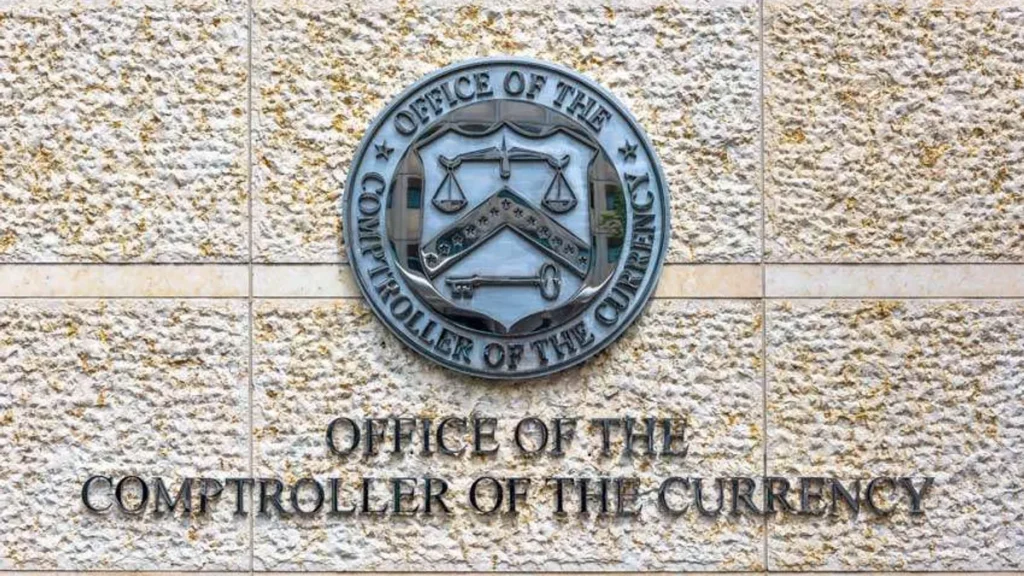
He also threw his support behind a proposal that would allow banks to legally challenge supervisory actions publicly. The Office of the Comptroller of the Currency (OCC) and the Federal Deposit Insurance Corporation (FDIC) have already begun to shift their stance, including stopping examinations based solely on reputational risk, something Dimon sees as a step in the right direction.
Dimon called for better capital oversight, more realistic held-to-maturity limits, and fairer distribution of deposits. He also suggested that facilities like the Federal Reserve’s discount window and Federal Home Loan Bank lending mechanisms should be more usable to ensure financial stability.
Dimon on Crypto: Reluctant Acceptance with Strong Reservations
When it comes to cryptocurrency, Dimon remains famously sceptical. He reiterated that he is “not a fan” of bitcoin or the broader crypto ecosystem, citing concerns about its potential for misuse in areas like money laundering, terrorism financing, and sex trafficking. He painted the space as highly leveraged and lacking in effective regulatory safeguards.
Despite this, JPMorgan will allow its clients to buy cryptocurrencies and include them on statements, though the bank won’t provide custody services. Drawing an analogy, Dimon said, “I don’t think you should smoke, but I defend your right to smoke. I defend your right to buy bitcoin, go at it.”
Dimon downplayed the long-term significance of crypto assets themselves, saying, “Nor do I think it matters that much, to tell you the truth.” He acknowledged client demand but made clear that JPMorgan’s engagement with digital assets is more about consumer choice than endorsement.
Blockchain: Useful, but Overhyped
On blockchain, Dimon’s stance is more neutral but still dismissive of the hype. He noted that the technology could eventually be used in banking operations “where blockchain is an appropriate technology to use,” but cautioned against overestimating its impact.
“We’ve spent too much on it, it doesn’t matter as much as you all think,” Dimon told analysts. He suggested that while stablecoins and central bank digital currencies (CBDCs) might eventually gain traction, blockchain will likely just become one of many tools in the financial technology toolbox, valuable in some contexts but not revolutionary across the board.
The sentiment was clear: JPMorgan will adopt blockchain if and when it serves a functional purpose, but it’s not building its future around it.
A Balancing Act: Between Market Demand and Institutional Scepticism
Dimon’s approach encapsulates the tension between traditional finance and emerging financial technologies. While he remains a staunch defender of banking orthodoxy and a vocal critic of crypto’s risks, he is not ignoring market forces. JPMorgan’s measured accommodation of client crypto interests—without full adoption—illustrates a strategy of cautious participation without endorsement.
Meanwhile, his outspoken critique of regulation reflects a broader frustration within the banking sector. The burden of excessive, sometimes contradictory rules has created space for unregulated players to thrive, a development that poses its own set of risks to the financial system.
Dimon’s message is as much a warning as it is a proposal: reform financial oversight to ensure safety and innovation within the banking system, while managing the risks of crypto and emerging technologies without overcorrecting. In his view, striking this balance is essential for a secure and competitive financial future.
Leave a Reply