In a bid to influence the evolving regulatory stance on digital assets, two prominent crypto advocacy groups, the DeFi Education Fund and the Uniswap Foundation have urged the U.S. Securities and Exchange Commission (SEC) to take a more nuanced approach to regulating decentralised autonomous organisations (DAOs). The groups argue that DAOs, if sufficiently decentralised, should not be regulated under traditional securities laws.
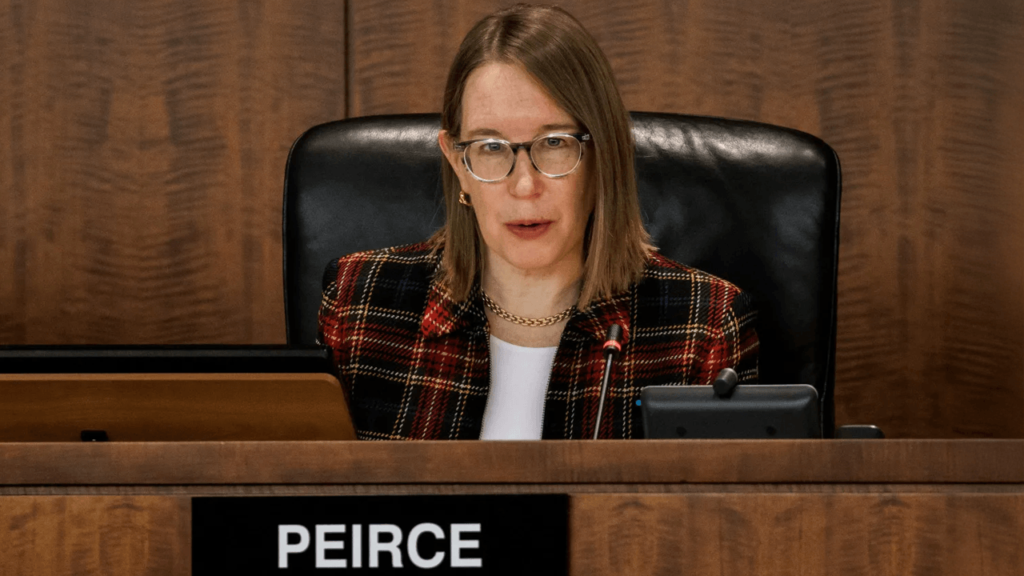
Their appeal was made in a letter dated 27 May, addressed to Hester Peirce, head of the SEC’s Crypto Task Force. The letter responds to Peirce’s February 21 call for industry feedback on crypto regulation, signalling that the debate around how to govern decentralised finance (DeFi) continues to heat up.
DAOs Are Not Traditional Entities
Central to the letter’s argument is the assertion that DAOs differ fundamentally from traditional companies. The authors claim that if a DAO is genuinely decentralised, that is governed by a dispersed collection of tokenholders without central coordination it should not fall under the Howey test, a legal framework used by the SEC to determine what constitutes a security.
According to the letter:
“If a DAO has a dispersed collection of tokenholders who have the opportunity to actively participate in and govern the DAO and the network, it is sufficiently decentralised such that neither the network token for that DAO, nor transactions in which that network token are the object, should be considered a security.”
The groups insist that DAOs should be viewed as individuals or informal collectives rather than as corporate entities unless clear evidence of centralised control exists.
A Regulatory Crossroads
This move comes at a pivotal moment for the SEC, which has adopted an increasingly aggressive stance toward crypto under the current U.S. administration. The agency has launched numerous enforcement actions against crypto projects over alleged securities violations, leading to uncertainty in the market.
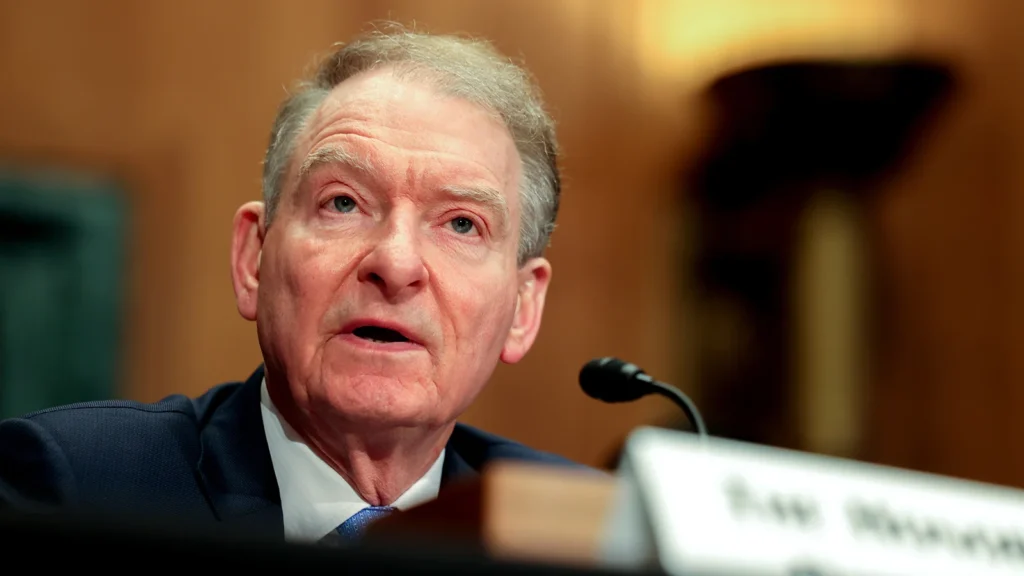
However, the regulatory tone has shifted somewhat since the appointment of Paul Atkins, a former crypto lobbyist, as SEC Chair under the Trump administration. Atkins has spoken favourably about blockchain innovation, suggesting it could pave the way for “new forms of market activity.”
Industry Pushback Against Overreach
The DeFi Education Fund and Uniswap’s intervention represents growing frustration within the crypto industry. Many developers and decentralised protocol operators argue that current regulatory frameworks are ill-suited to DeFi’s borderless, peer-to-peer nature.
They fear that applying legacy rules to modern, decentralised systems may stifle innovation and force blockchain-based projects offshore. The letter warns against regulatory overreach, suggesting it could hinder the United States’ competitiveness in the global digital economy.
What’s Next for Crypto Oversight?
In a recent oversight hearing on 20 May, Atkins confirmed that the SEC’s Crypto Task Force would release its first report in the coming months. The task force is also organising a series of industry roundtables to foster dialogue between regulators and crypto stakeholders.
These developments signal a willingness by parts of the SEC to engage with the industry, a welcome shift for proponents of DeFi, who have long called for clearer and fairer regulatory guidance.
Leave a Reply