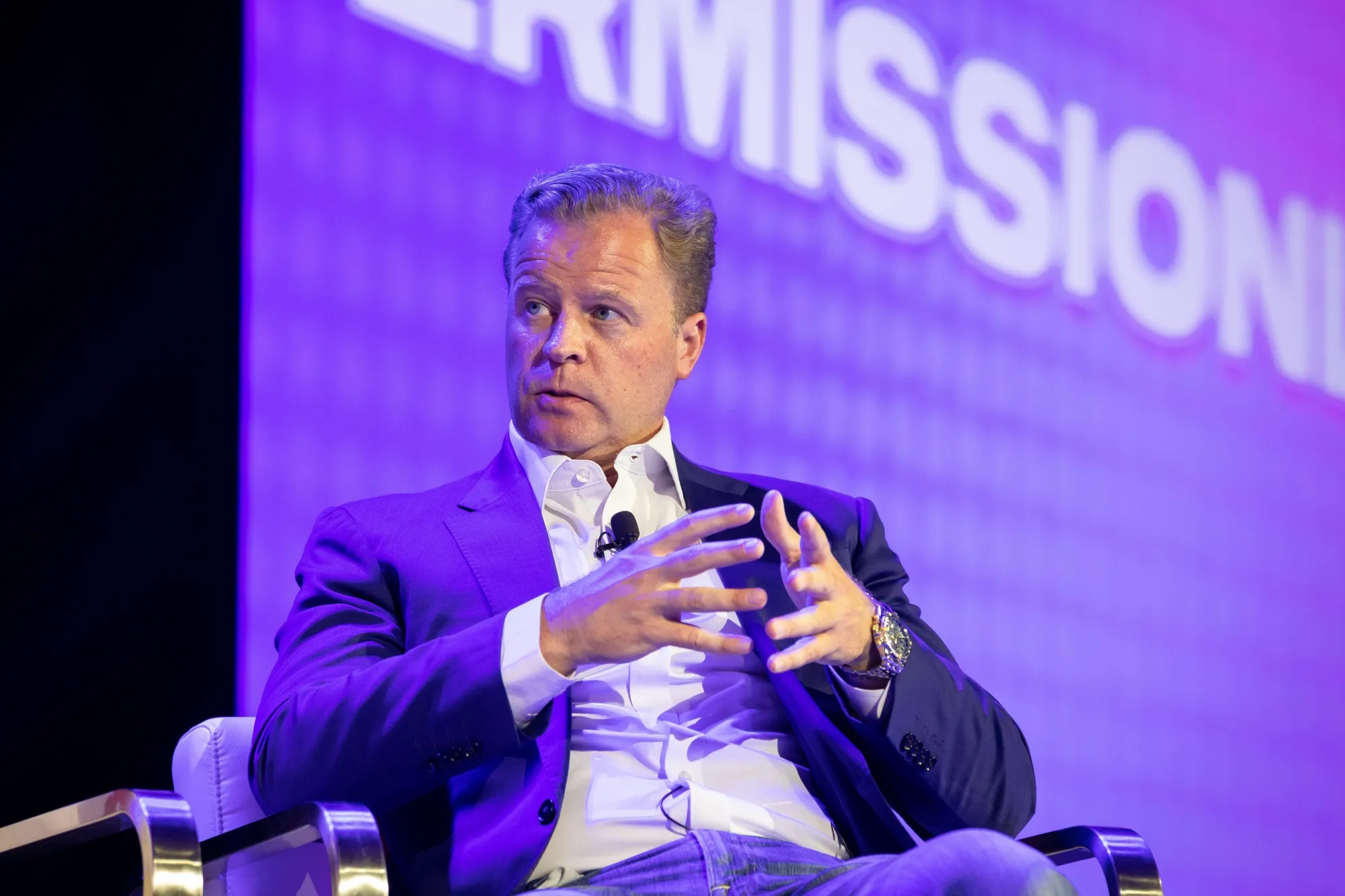
US President Donald Trump’s nominee to chair the Commodity Futures Trading Commission (CFTC), Brian Quintenz, has made bold declarations about blockchain’s future, calling it a “horizontal technology” capable of transforming not only finance but society at large. In remarks prepared for his Senate confirmation hearing, Quintenz underlined the urgent need for a clear and robust regulatory framework for crypto assets to secure US leadership in the fast-evolving digital economy.
With extensive experience in both public service and the private sector, most recently as global head of policy at a16z Crypto, Quintenz brings a dual perspective to the role. His vision encompasses not just fostering innovation but also stamping out fraud and bad actors from the crypto landscape.
A Society-Shaping Force
Quintenz did not shy away from grand declarations in his Senate testimony. He described blockchain as a “foundational” and “horizontal” technology much like the internet, has the power to reshape every industry it touches. While its early impact has been most visible in the financial sector, he warned that underestimating its broader societal implications would be a strategic error for US policymakers.
“Blockchain has the potential to touch every aspect of society,” he asserted, signalling that ignoring or inadequately regulating the space could cost the United States its global edge in technological innovation.
Crypto Clarity Crucial for Market Integrity
A key pillar of Quintenz’s argument is the need for a comprehensive, unified crypto regulatory framework. He emphasised that confusion over token classification and jurisdictional overlaps among US regulators has stifled innovation and increased risks for investors.
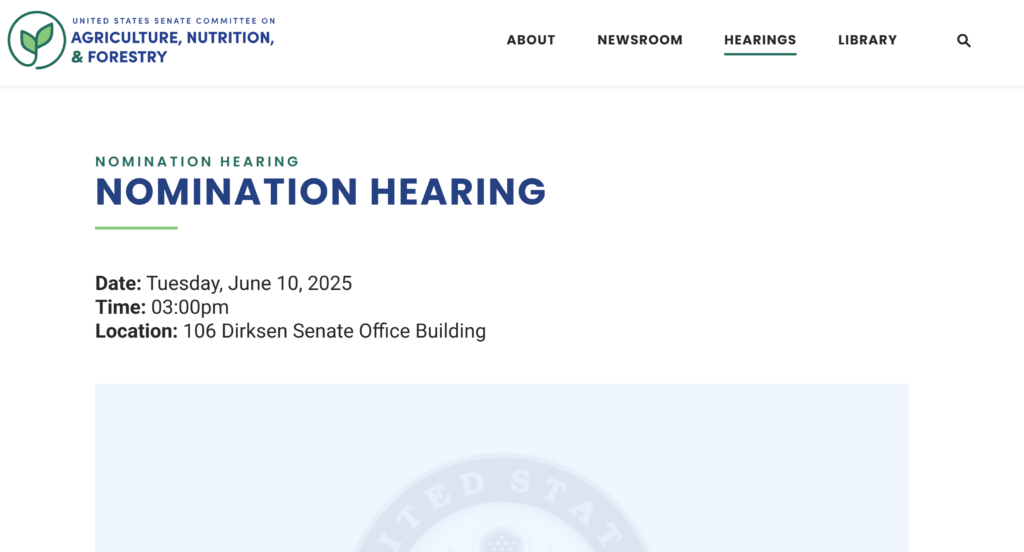
“As Congress considers new spot market regulatory authority over the crypto asset markets, I am fully prepared to provide the benefit of this experience,” Quintenz said, referencing his policy work at a16z and previous CFTC tenure.
His comments come as Congress debates the Clarity Act, a bill that would create a new “digital commodity” category, granting the CFTC broader oversight of crypto markets. Quintenz argued that such clarity is urgently needed, not just to safeguard retail investors, but also to give legitimate innovators the regulatory certainty they require.
Vow to Exclude Bad Actors and Protect Innovation
Addressing concerns over fraudulent actors operating within the crypto space, Quintenz was direct: weak oversight invites bad actors, which in turn threatens the credibility and sustainability of blockchain innovation in the US. He pledged to strengthen consumer protections without stifling responsible innovation.
“The presence of bad actors erodes the trust and potential of this transformative technology,” he warned. To prevent this, he endorsed clear regulatory boundaries, token classification standards, and stronger enforcement capabilities.
His stance aligns with growing bipartisan momentum in Congress to grant the CFTC expanded powers, especially as high-profile crypto fraud cases and exchange collapses in recent years have raised public alarm.
Leadership Void at the CFTC Raises Concerns
Despite Quintenz’s strong vision, his confirmation process unfolds amid turbulence at the CFTC. The agency is currently facing a leadership vacuum, with one commissioner seat vacant and several others in transition. In just the past week, two commissioners Republican Summer Mersinger and Democrat Christy Goldsmith Romero departed the agency. Moreover, Republican Commissioner Caroline Pham has indicated she may step down if Quintenz is confirmed.
This precarious moment raises questions about whether the CFTC can adequately take on the expanded responsibilities proposed under the Clarity Act without a fully staffed leadership team. Should Quintenz be confirmed, he will need to swiftly stabilise the commission and build consensus across party lines to deliver on his ambitious regulatory vision.
Brian Quintenz’s nomination to head the CFTC signals a pivotal shift in US crypto policy. By combining his regulatory experience with insights from Silicon Valley, he offers a unique perspective at a time when blockchain is transitioning from niche innovation to global infrastructure. His pledges to enhance regulatory clarity, foster responsible innovation, and protect users from fraud may well shape the next decade of crypto development in the United States.
Leave a Reply