
Ripple’s Chief Technology Officer, David Schwartz, has proposed a bold but sensible idea that could transform how transaction fees are handled on the XRP Ledger (XRPL). Users should be refunded for any part of a fee they don’t actually use, a change that could make the network more fair, transparent, and efficient.
Currently, XRPL burns all transaction fees, even if the full amount wasn’t necessary. Schwartz believes there’s a smarter way.
Understanding the Current XRPL Fee Structure
In the XRP Ledger ecosystem, a system called Hooks allows developers to add programmable logic to transactions. When a Hook is created, a fixed fee is calculated upfront. This fee assumes the worst-case compute cost, meaning it always charges the maximum, regardless of how much computing power is actually used. While this makes fees predictable, it often results in users overpaying.
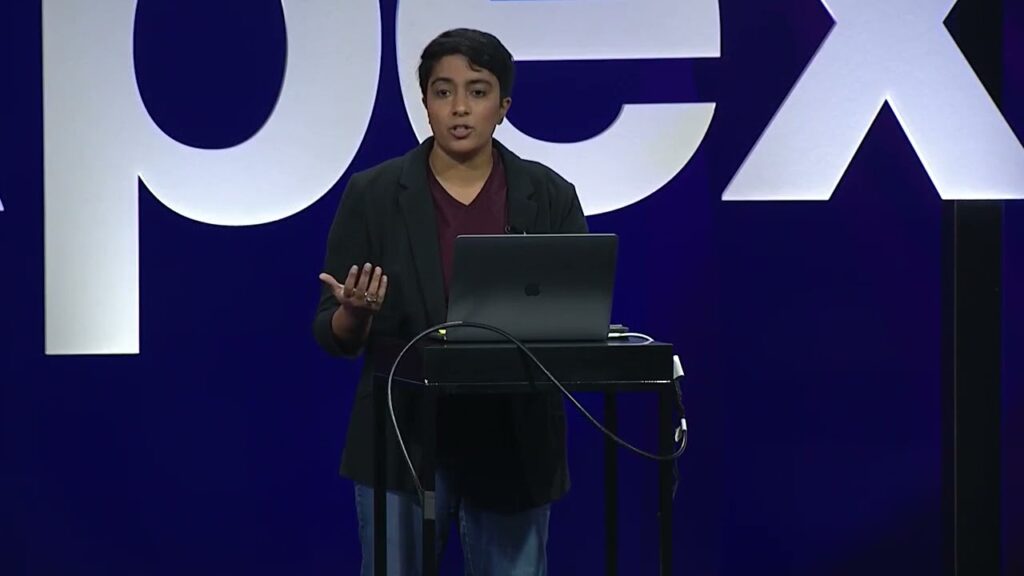
Developer Mayukha Vadari explained that XRPL’s approach is different from Ethereum’s. On Ethereum, users set a maximum gas fee they’re willing to spend. If the transaction ends up using less gas, the unused portion is refunded. This is not how XRPL works currently, once a fee is paid, it’s fully burned, no matter what.
This sparked a key question from Vet, the co-founder of the NFT platform XRP Cafe:
“If the actual cost is lower, why can’t users get the extra back?”
Vadari answered that the XRPL system isn’t built that way, the fee is static and intentionally overestimated for simplicity and predictability.
Should Refunds Be Introduced?
Vet argued that this approach is outdated, especially when users are consistently paying more than they need to. He suggested that refunds could encourage more fairness, returning unused fees instead of destroying them.
However, others like protocol developer tecqu raised concerns. If refunds are allowed, users might start bidding very high fees just to jump the queue, knowing they’ll get some of it back. This could create an unhealthy competition and potentially overload the system.
David Schwartz’s Proposal
Enter David Schwartz, Ripple’s CTO. He proposed a compromise that balances fairness with system stability.
“Everyone pays a fee upfront, but only the minimum required to get the transaction into the ledger is kept. The rest is refunded,” he said.
He elaborated on a specific method:
After the consensus transaction set is determined, calculate the lowest fee needed to get one more transaction accepted. Any amount paid above that level would be refunded.
This model closely mirrors Ethereum’s refund system but fits XRPL’s unique architecture.
Addressing Challenges and Offering Solutions
Schwartz did acknowledge one major challenge: validators might not always agree on what the minimum required fee is. In XRPL’s consensus system, such disagreements could cause ledger splits, something the network must avoid at all costs.

To solve this, Schwartz offered a fallback option:
Refund any amount above the median fee of that ledger version. This method would reduce the risk of disagreement while still offering a fair baseline for refunds.
Additionally, he proposed a simple threshold to avoid unnecessary refunds during low network activity. For example, if fewer than 10 transactions occur in a ledger, the refund mechanism could be skipped or replaced by a small, fixed fee.
Why This Matters for XRP Users and Developers
Today, every fee on XRPL whether entirely used or not gets burned, helping to slowly reduce XRP’s overall supply. But it also means users pay more than needed, especially when using advanced features like Hooks.
Schwartz is not proposing an end to fee burning. Rather, he wants to make it smarter, burn only what’s needed and refund the rest.
This change would:
- Make fees fairer for users.
- Encourage more efficient Hook design.
- Reduce unnecessary cost burdens on developers and dApps.
- Maintain ledger stability by avoiding validator conflicts.
By keeping only the minimum needed fee and giving back the rest, XRPL could offer a more user-friendly and competitive experience, especially compared to platforms like Ethereum.
From Idea to Reality?
Right now, Schwartz’s fee refund idea is still in the discussion phase. But the fact that it’s coming from Ripple’s CTO, and is already sparking conversation among developers and protocol contributors, means it could evolve into a serious proposal.
If implemented correctly, this refund model could mark a new era of fairness and flexibility for the XRP Ledger. It’s a technical tweak, but one with major implications for users, developers, and the broader crypto ecosystem.
Leave a Reply