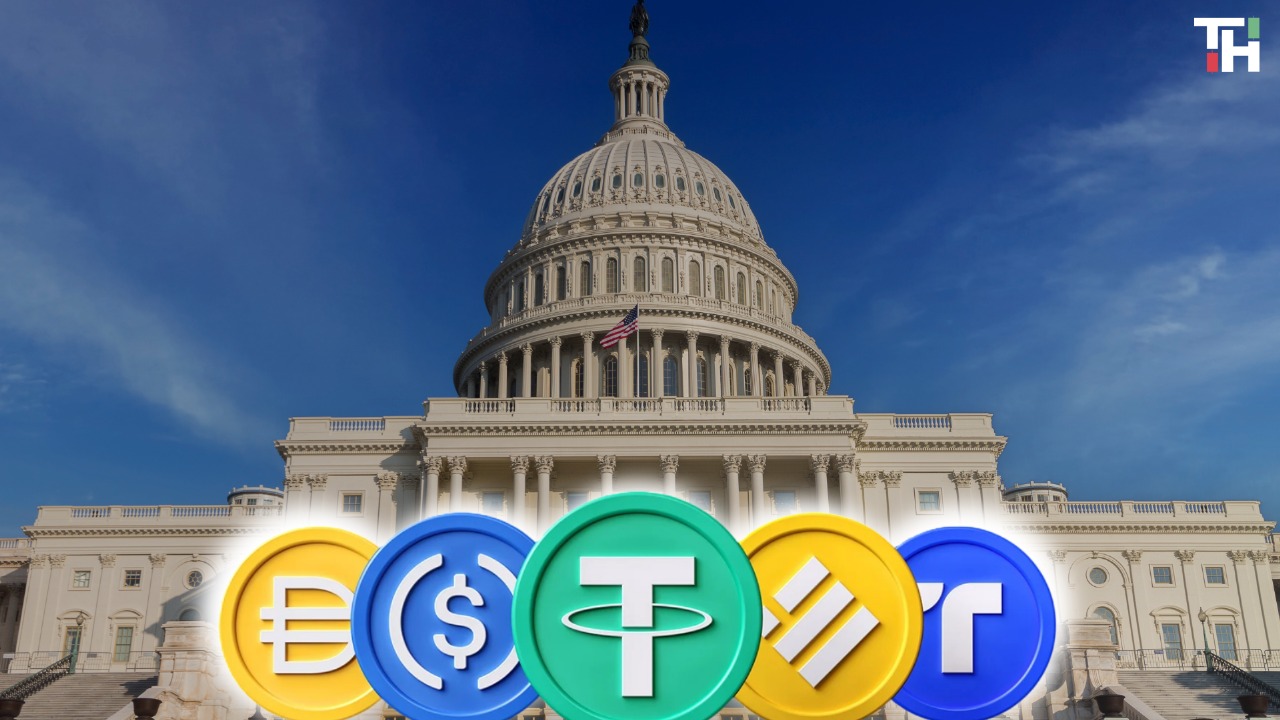
In a historic move for the cryptocurrency industry, the US Senate has passed the GENIUS Act, a stablecoin bill that lays the foundation for federal regulation of stablecoins. With a bipartisan 68–30 vote, the bill marks the first time a major piece of cryptocurrency legislation has cleared the Senate, representing a pivotal step toward legitimising the industry long considered speculative and loosely governed.
The stablecoin bill now heads to the House of Representatives, where it is expected to pass given Republican control. If signed into law by President Trump, the legislation would establish a clear regulatory framework for stablecoins,crypto pegged to fiat currencies like the US dollar positioning the US as a dominant player in the digital currency space.
“This bill removes regulatory uncertainty that has hindered innovation and competitiveness in the digital assets sector,” said a White House policy statement. It added that the measure would “enhance the dominance of the US dollar in the crypto space.”
Crypto Lobby Wins Big After Multi-Million Dollar Campaign
The passage of the GENIUS Act is a significant victory for the cryptocurrency industry, which has poured hundreds of millions into lobbying efforts over the past few years. Backed by a coalition of Silicon Valley crypto firms and super PACs, the industry spent more than $130 million influencing congressional races ahead of the 2024 elections.
The lobbying push paid off handsomely: candidates supported by crypto super PACs won 53 out of 58 races, strengthening the industry’s legislative allies across both parties. That momentum translated into the Senate vote, where 18 Democrats joined Republicans in supporting the stablecoin bill, despite internal disagreements and vocal opposition from some senior members of the Democratic Party.

“The GENIUS Act lives up to its name,” said John Wu, president of Ava Labs. “It creates a foundation for legitimising stablecoins, embedding them into the global network of money movement.”
Bridging Traditional and Digital Finance
At the heart of the stablecoin bill is the desire to integrate stablecoins into the broader financial system. Stablecoins like those issued by Circle or Tether are seen as a crucial link between decentralised finance and traditional markets due to their relative price stability and usability for real-world transactions.
The GENIUS Act aims to streamline regulatory requirements, improve payment efficiency, and bring stablecoins under federal supervision including oversight by agencies like the FDIC. Senator Bill Hagerty, the Republican sponsor of the stablecoin bill, said it would “modernise our payment system” and “restore our nation’s competitive edge.”

The legislation also hopes to boost demand for US Treasury securities by allowing stablecoin reserves to be invested in government debt, a move that could increase fiscal flexibility and bolster the dollar’s status as the world’s reserve currency.
Democratic Split and Trump Ties Spark Controversy
Despite bipartisan support, the stablecoin bill faced heated criticism from several Democrats. Senator Elizabeth Warren, long a critic of deregulated finance, condemned the legislation’s “thin regulation” and warned that it echoed the conditions that led to the 2008 financial crisis.
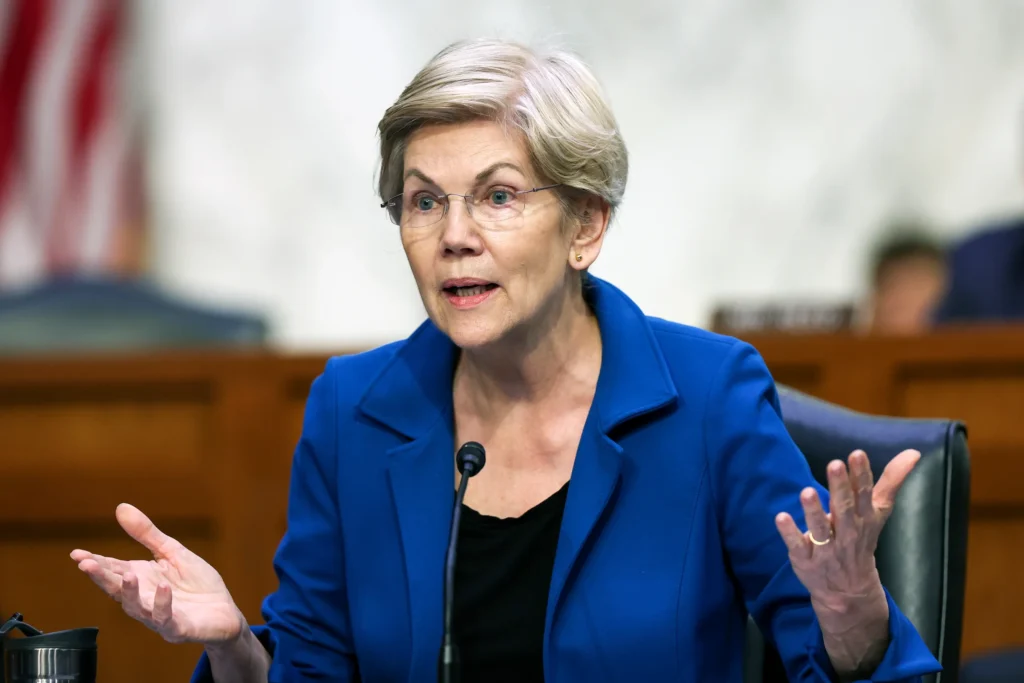
“It’s the same move a second time,” she said. “The industry wants the gold star of US government oversight without really having significant oversight.”
A major point of contention was the absence of anti-corruption provisions aimed at preventing President Trump and his family from profiting directly from stablecoin ventures. Since leaving office, Trump has embraced crypto more openly, with members of his family reportedly expanding their interests in the digital asset space.
Democrats had proposed several amendments to address these concerns, including one by Senator Jeff Merkley to bar government officials and their families from issuing stablecoins. However, Republicans ultimately shut down the amendment process, citing concerns of political bias and interference.

“Government officials shouldn’t be marketing their coins to enrich themselves,” Merkley said on the Senate floor. “That’s not financial innovation. That’s corruption.”
Even Senate Majority Leader Chuck Schumer voiced disapproval, saying the final bill “failed to include essential guardrails to prevent self-dealing.”
Republican Divide on Tech Industry’s Role
While most Republicans supported the stablecoin bill, two senators broke ranks. Senator Josh Hawley of Missouri opposed the legislation, criticising its failure to ban large tech firms like Amazon or Alphabet from issuing stablecoins. He argued that handing such power to a regulatory board was “toothless” and left the door open for tech giants to dominate the space unchecked.
“There’s a board that can approve them anyway; that’s ridiculous,” Hawley said.
Senator Rand Paul of Kentucky also voted against the bill, though for different reasons. He argued that requiring unanimous approval from a regulatory board to issue stablecoins would stifle innovation and “make it very difficult for stablecoin to succeed.”
Despite the dissent, the stablecoin bill’s passage signals a strong shift in Washington’s attitude toward crypto, one moving from cautious hostility to regulatory endorsement, particularly under Trump’s administration.
Industry Reactions and What Comes Next
The crypto industry has responded with enthusiasm. Circle, the second-largest stablecoin issuer globally, recently went public and saw its shares surge nearly 170% on its first day of trading, a clear sign of growing investor confidence. Executives from major crypto firms have called the bill a milestone in their long journey toward federal recognition.
“This is about providing clarity and legitimacy,” said a spokesperson for Coinbase. “It’s not about running from regulation; it’s about getting the right kind of regulation.”
If the House passes the stablecoin bill and President Trump signs it into law, it would set the stage for more comprehensive crypto legislation in the coming years, including frameworks for decentralised finance (DeFi), NFTs, and digital asset taxation.
In the short term, the stablecoin market is likely to see increased adoption from traditional financial players, encouraged by the clearer regulatory environment. It may also reignite debates in other jurisdictions, especially the European Union and Asia about how to regulate their own rapidly growing digital asset sectors.
Crypto’s Washington Makeover Nears Completion
The passage of the GENIUS Act represents a defining moment for the cryptocurrency industry in the United States. From a fringe technology associated with volatility and scandal, crypto has now entered the halls of federal legitimacy, albeit not without controversy.
As regulatory clarity begins to emerge, the next phase for crypto will hinge on balancing innovation with accountability, and whether lawmakers can keep pace with a financial revolution that no longer shows signs of slowing.
Leave a Reply