
The American crypto industry is making a major push in Washington, D.C., with Coinbase and 65 other firms urging Congress to pass a crucial bill – the Digital Asset Market Clarity Act, or CLARITY Act. This proposed legislation aims to define clear rules for how cryptocurrencies are regulated in the United States, handing most oversight to the Commodity Futures Trading Commission (CFTC) instead of the Securities and Exchange Commission (SEC).
The lobbying group Stand With Crypto, created by Coinbase, sent a joint letter to US lawmakers on Monday calling for swift passage of the bill. Notable signatories include OpenSea, Dapper Labs, and several blockchain advocacy groups. They argue that without this law, America’s position as a global crypto leader is at serious risk.
Why the CLARITY Act Matters
The CLARITY Act is designed to end the ongoing confusion over which US agency regulates which part of the crypto market. If passed:
- The CFTC would oversee most cryptocurrencies, treating them like commodities.
- The SEC would still regulate crypto-related securities, such as tokenized stocks and investment products.
This structure would provide the long-awaited regulatory clarity that companies, investors, and developers have been demanding for years. The current regulatory landscape is murky, leading to lawsuits, mixed court rulings, and a chilling effect on innovation.
The letter from the crypto firms warns that inaction and unclear laws are pushing innovation overseas, stating:
“We cannot afford to let inaction and uncertainty jeopardise our ability to secure America’s economic future.”
Concerns Over US Crypto Leadership
The letter from the 65 groups also highlights growing concerns that the US is losing its leadership in crypto. Countries like the UK, UAE, and Singapore have already introduced clearer, friendlier regulations to attract blockchain businesses and talent.
“The lack of standardised rules hinders institutional adoption and innovation,” the letter states.
As a result, companies are relocating, and American developers are looking abroad for better opportunities. The CLARITY Act aims to reverse that trend by giving a clear framework that encourages growth, compliance, and innovation.
Congress’ “Crypto Week” and Political Hurdles
The US House of Representatives will consider the CLARITY Act next week during what Republicans are calling “Crypto Week.” They plan to review three major crypto bills:
- CLARITY Act – To define crypto oversight roles.
- GENIUS Act – To regulate stablecoins (already passed in the Senate).
- Anti-CBDC Surveillance State Act – To ban a central bank digital currency (CBDC).
The GENIUS Act is expected to be a top priority, especially after US President Donald Trump publicly supported its quick passage before the August break. The CLARITY Act, which already passed two House committees, is next in line. It still needs approval from the full House and Senate.
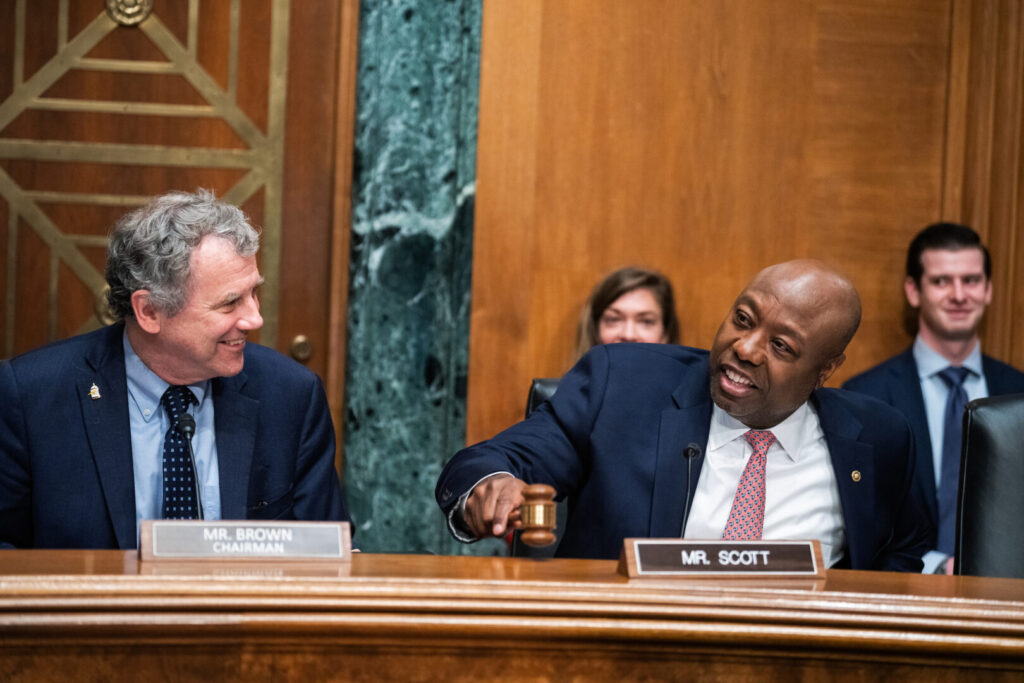
Senator Tim Scott, Chair of the Senate Banking Committee, has said he wants to pass a crypto market structure bill “before the end of September,” giving hope to supporters of the CLARITY Act.
Democratic Pushback and Political Tensions
Despite growing industry support, the CLARITY Act faces resistance from Democrats, especially over the bill’s ties to Donald Trump. Critics argue that the bill was rushed and overly favourable to risky crypto activities.
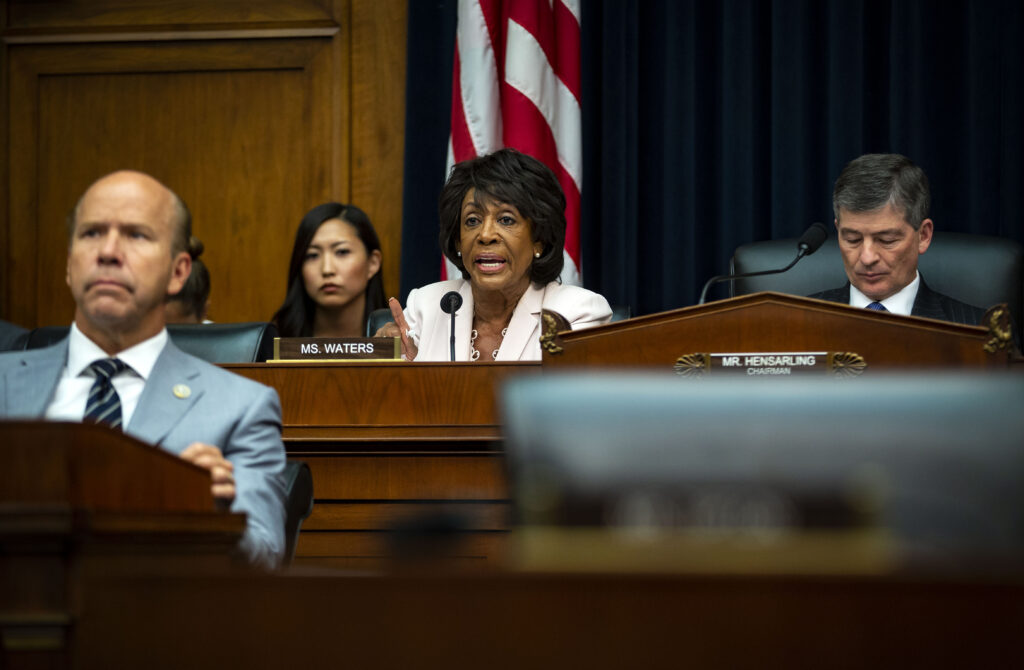
Maxine Waters, a senior Democrat on the House Financial Services Committee, called it a
“confusing and reckless piece of legislation,”
adding that it could help “legitimise Trump’s crypto con.”
Waters and other Democrats also point to Trump’s increasing involvement in the crypto world. Reports claim that he and his family have made over $620 million from various crypto ventures, including:
- A crypto trading platform
- A stablecoin project
- NFT collections
- Multiple meme tokens
- A crypto mining company
This growing wealth has sparked accusations of political and financial self-interest in crypto policymaking.
A Defining Moment for US Crypto
The outcome of “Crypto Week” could define the future of the American crypto industry. The CLARITY Act, if passed, would provide long-awaited structure, reduce legal uncertainty, and help the US compete with other crypto-forward nations.
But with political tensions rising and the shadow of Trump’s crypto empire looming large, the path to regulatory clarity is anything but certain. What’s clear is that the stakes have never been higher for crypto in the United States.
Leave a Reply