
In a major step for cryptocurrency legislation in the United States, the House of Representatives has agreed to move forward with three key crypto bills following a record-breaking nine-hour procedural vote. The delay was caused by internal Republican disagreements over the issue of central bank digital currencies (CBDCs), which some lawmakers strongly oppose.
Republican leaders ultimately struck a deal to gain enough support by promising to include a CBDC ban in a separate must-pass bill. The decision paved the way for debate and votes on the CLARITY Act, the GENIUS Act, and the Anti-CBDC Surveillance Act, marking what GOP leaders have dubbed “Crypto Week” in the House.
Historic Vote Held Open Over CBDC Disagreement
The procedural vote to begin debate on the three crypto bills lasted more than nine hours, the longest vote in House history. This delay was driven by a group of Republican hardliners who refused to move forward without a firm commitment to ban CBDCs.
These lawmakers were concerned that even with strong regulatory bills like the GENIUS Act, there might still be a legal route to introduce a government-issued digital dollar. Representative Keith Self voiced his concerns that the GENIUS Act could provide a “back door” to CBDCs, despite the bill specifically stating that it does not expand the Federal Reserve’s powers to serve the public directly.
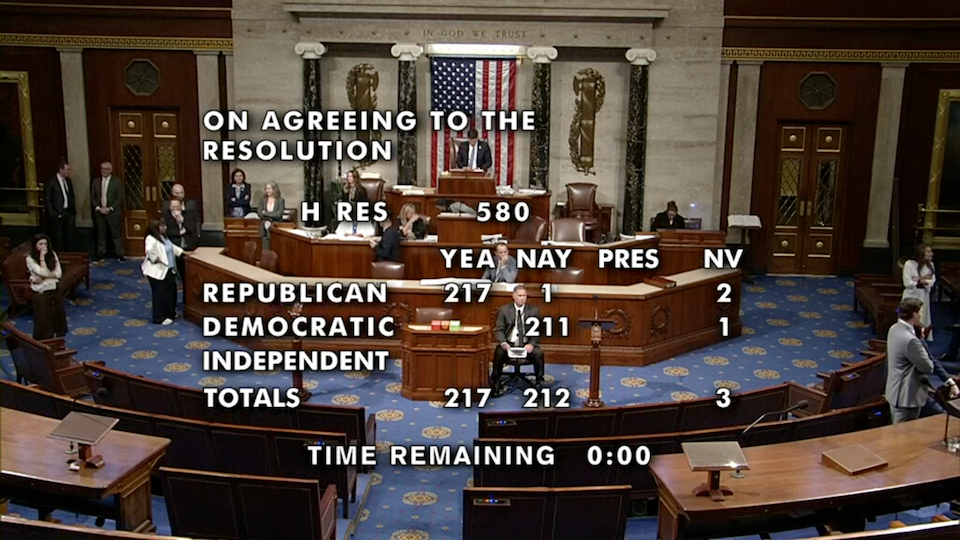
Eventually, House Majority Leader Steve Scalise and Speaker Mike Johnson negotiated a solution: the CBDC ban would be added to the National Defense Authorization Act (NDAA), a widely supported and routinely passed defense spending bill. This assurance brought most Republican holdouts back on board.
What Are the Three Crypto Bills?
The three crypto bills that moved forward aim to create a clear legal framework for the cryptocurrency industry in the United States:
- CLARITY Act: Seeks to define and streamline the legal structure for digital assets and exchanges. It focuses on separating responsibilities between regulators like the SEC and the CFTC.
- GENIUS Act: Aims to regulate stablecoins and set clear standards for their issuance and backing. It includes rules to ensure reserves are transparent and secure.
- Anti-CBDC Surveillance Act: A bill focused solely on banning the creation or use of a CBDC in the US, to prevent what some lawmakers see as a threat to privacy and financial freedom.
Republicans are eager to vote on the GENIUS Act before the weekend, with former President Donald Trump expressing support and reportedly pushing for quick passage. The other bills may see floor votes on Friday or early next week.
Why the CBDC Ban Matters to Republicans
Central bank digital currencies have become a highly divisive issue in US politics. While supporters argue that a CBDC could modernise the financial system and increase global competitiveness, critics especially among conservative Republicans fear that it could lead to government surveillance of everyday financial activity.
Placing the CBDC ban in the NDAA ensures it has a high chance of becoming law. Since the NDAA must pass every year to fund the military and defense operations, its inclusion virtually guarantees the anti-CBDC measure will be enacted, satisfying the demands of Republican holdouts without risking the broader crypto legislation.
Representative Tim Burchett, one of the lawmakers initially opposed to the crypto package, confirmed in a video that the deal involved moving the CBDC ban to the NDAA to avoid weakening the GENIUS Act. Any changes to the GENIUS Act now could derail it in the Senate.
What’s Next for the Crypto Bills?
The House is now set to vote on the GENIUS Act and CLARITY Act separately, with votes potentially split between Thursday, Friday, or next week. Speaker Johnson indicated that passing the bills individually may improve their chances in the Senate, where combined packages face more resistance.
While Democrats have shown limited support for these crypto bills, Republican unity around this package after the CBDC compromise signals strong momentum. Only one Republican, Representative Marjorie Taylor Greene, voted against the measure, siding with Democrats.
With the procedural hurdle cleared, the coming days could bring significant legislative progress for the crypto sector in the United States, though the debate around CBDCs is far from over.
Leave a Reply