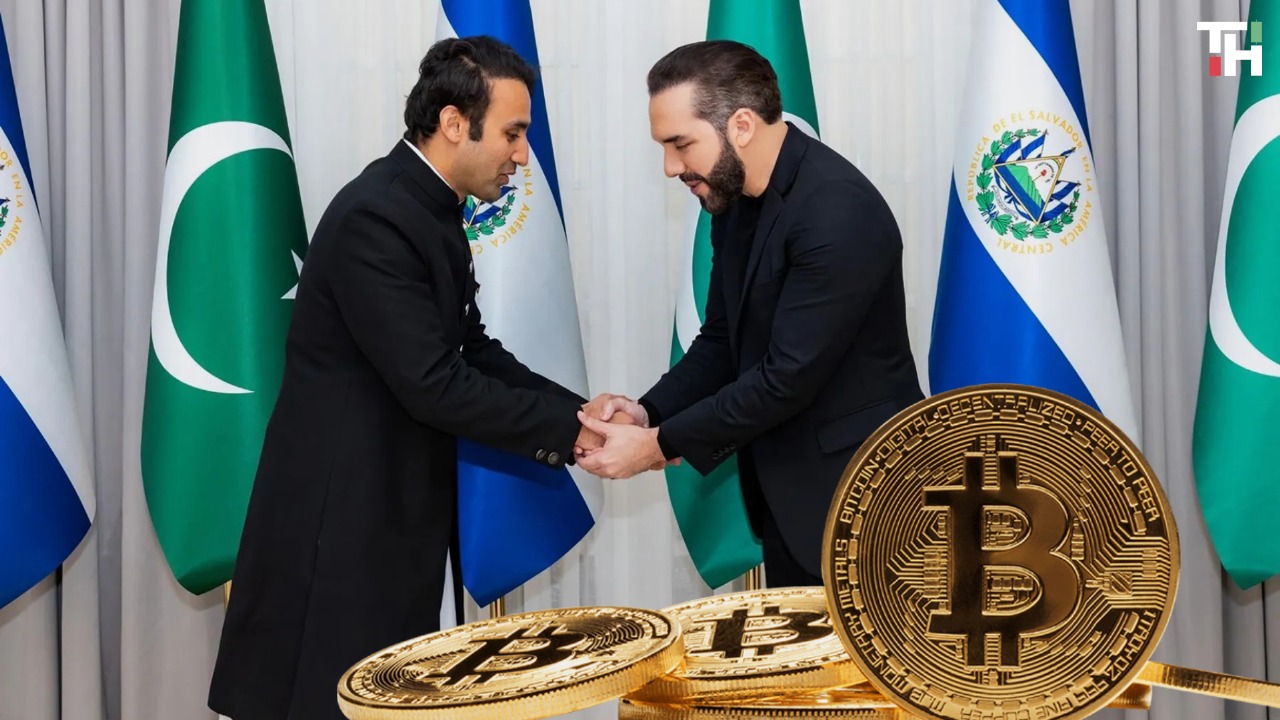
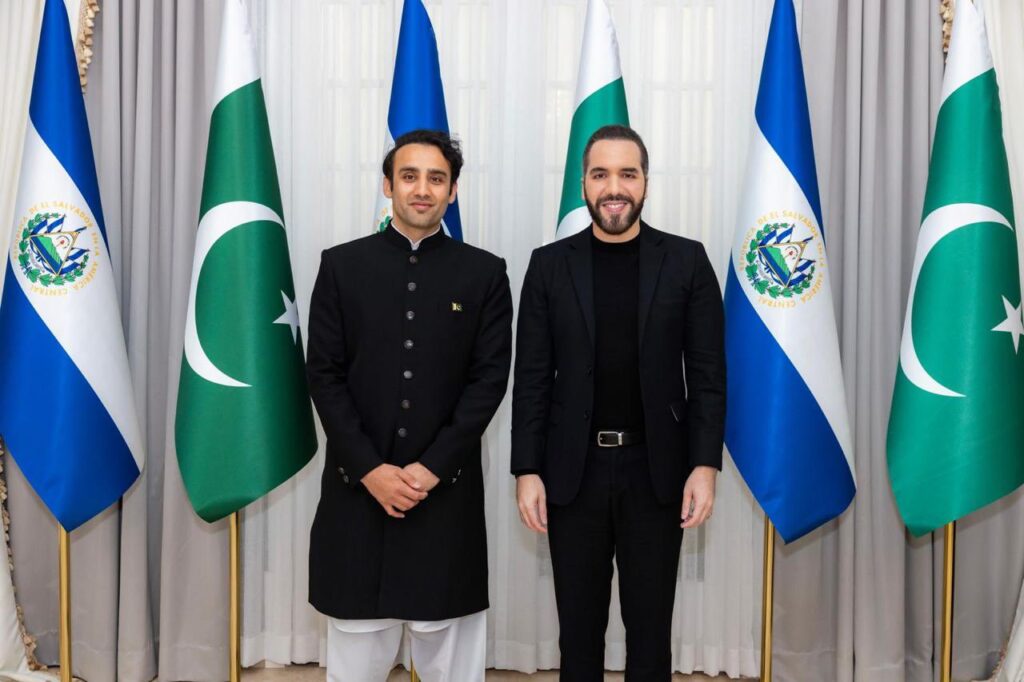
Pakistan is beginning to take serious steps toward entering the global digital asset space. This week, Bilal Bin Saqib, the CEO of the Pakistan Crypto Council and special assistant to the Prime Minister on crypto and blockchain, met with El Salvador’s President Nayib Bukele. Their meeting focused on sharing knowledge around Bitcoin adoption and exploring opportunities for collaboration between the two countries.
The key outcome was the signing of a Letter of Intent between the Pakistan Crypto Council and El Salvador’s Bitcoin Office. This formal agreement aims to encourage cooperation in areas such as public sector Bitcoin adoption, financial inclusion through blockchain, and developing crypto policies for emerging markets.
The visit highlights Pakistan’s increasing focus on digital assets, even as the country remains under a $7 billion IMF loan programme, which is scheduled to continue until 2027.
A Meeting of Crypto Minds
Saqib praised President Bukele, calling him “one of the most extraordinary visionary leaders of our time,” for backing Bitcoin during a time when many world leaders doubted its value. El Salvador was the first country in the world to make Bitcoin legal tender in 2021, a bold move that attracted both praise and criticism.
Despite repeated warnings from the International Monetary Fund (IMF), El Salvador has continued to grow its Bitcoin holdings, which now total over 6,240 BTC worth approximately $740 million. Saqib said Bukele “stood with conviction” when it wasn’t popular to support Bitcoin and proved that a small country with limited resources could still make a global impact through vision and determination.
Pakistan, inspired by El Salvador’s example, now appears to be crafting its own Bitcoin path, starting with partnerships and strategic policy frameworks.
A Broader Digital Push
The momentum isn’t limited to just one meeting. A day before the visit to El Salvador, Saqib and Pakistan’s Finance Minister Muhammad Aurangzeb held a virtual call with Bitcoin pioneer Michael Saylor. Saylor, who runs the U.S. company MicroStrategy, is known for holding over $62 billion worth of Bitcoin through his firm.
The Pakistan Crypto Council later described this string of engagements as part of a “strategic commitment” to turn Pakistan into a leader in the global digital asset economy. This growing ambition is supported by the Ministry of Finance and is part of Pakistan’s larger digital transformation goals.
IMF Pushback on Bitcoin Mining
Despite these advancements, Pakistan’s journey into crypto is not without friction. Earlier this month, the IMF blocked a proposal by the Pakistan government to use surplus electricity for crypto mining. Pakistan had planned to dedicate around 2,000 megawatts of unused power mostly available during winter months for Bitcoin mining and AI infrastructure.
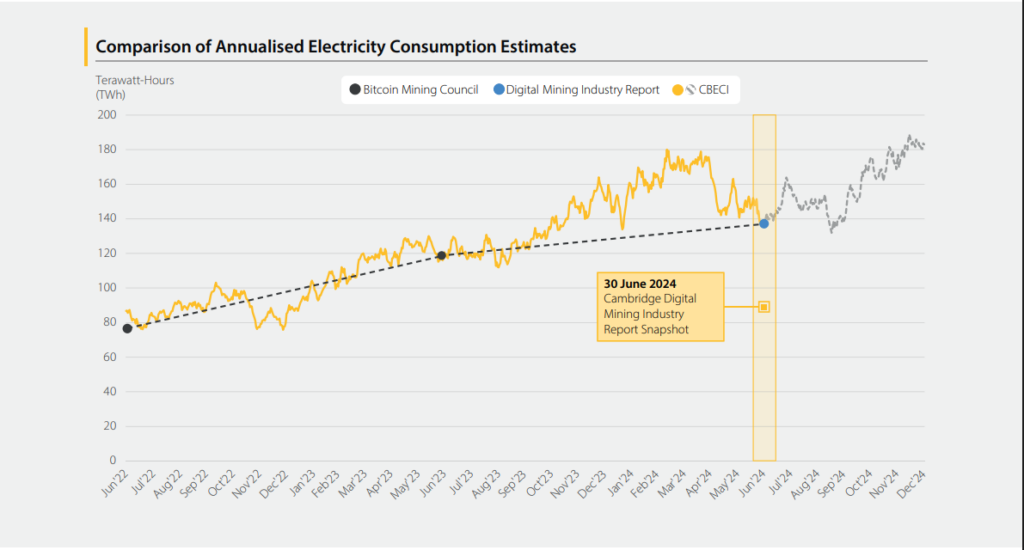
The IMF, however, raised concerns. It argued that subsidising energy for mining could distort the electricity market and favour a specific industry at the cost of broader economic balance. As a result, Pakistan was forced to put those plans on hold, at least for now.
Still, this hasn’t deterred the country’s long-term vision. The Pakistan Crypto Council remains committed to shaping crypto policy, building infrastructure, and learning from other nations that have taken the leap into Bitcoin-backed economies.
Cautious Optimism Amid Challenges
Pakistan’s outreach to El Salvador marks a turning point in its crypto journey. The country is clearly looking to model itself after Bukele’s bold leadership and El Salvador’s pioneering role in the Bitcoin world. However, balancing innovation with international financial commitments especially under the IMF’s watchful eye will be a delicate task.
Leave a Reply