
Morocco’s central bank drafts new crypto regulations after a five-year ban, aiming to embrace digital assets and innovation.
Morocco Prepares to Legalise Cryptocurrencies
Morocco is set to overturn its 2017 ban on cryptocurrencies, signalling a major shift in its stance on digital assets. According to a Reuters report, the country’s central bank, Bank Al-Maghrib, has drafted a cryptocurrency regulation law currently under review.
Abdellatif Jouahri, Governor of the Moroccan central bank, revealed that the draft aims to regulate crypto assets and is in the adoption process. The move marks Morocco’s growing interest in aligning its financial policies with global trends in digital currencies.
Previous Ban and Rising Crypto Adoption
Morocco banned Bitcoin and other cryptocurrency transactions in November 2017, citing concerns over security and illicit activities. However, the ban proved only partially effective, as a significant portion of the population continues to hold digital assets.
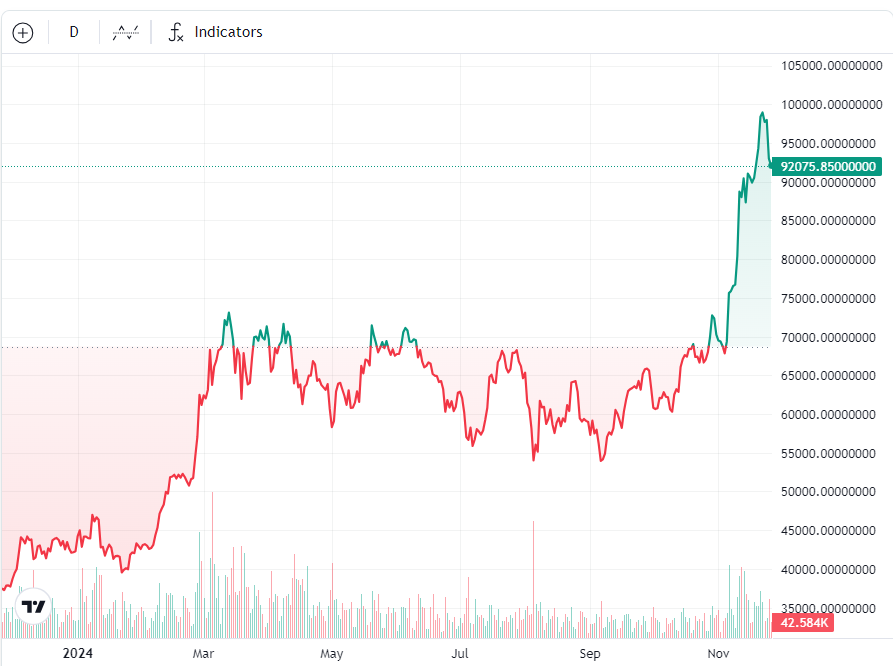
The report coincides with a global surge in Bitcoin interest, particularly after BTC nearly reached the $100,000 milestone on November 22. The growing value and popularity of cryptocurrencies may have influenced Morocco’s decision to rethink its approach.
Exploring Central Bank Digital Currencies
Alongside legalising cryptocurrencies, Morocco’s central bank is exploring the potential for a central bank digital currency (CBDC). Jouahri stated, “Like many countries around the world, we are exploring how this new form of currency could contribute to achieving public policy objectives, particularly in financial inclusion.”
CBDCs are issued on permissioned blockchain networks under central authority control, unlike decentralised public blockchains such as Bitcoin and Ethereum. This move reflects Morocco’s intent to modernise its financial infrastructure while maintaining oversight.
Global Influence of MiCA Regulations
Morocco’s regulatory shift is inspired by Europe’s Markets in Crypto-Assets Regulation (MiCA), the world’s first comprehensive crypto regulatory framework set to launch by the end of 2024.
The global influence of MiCA is evident, with countries like the UK also unveiling crypto regulatory roadmaps. The Financial Conduct Authority (FCA) recently announced plans to implement new regulations by 2026, highlighting the rapid evolution of the digital asset landscape.
Morocco’s steps toward legalisation reflect the country’s ambition to remain competitive in the global financial ecosystem while fostering innovation.
Leave a Reply