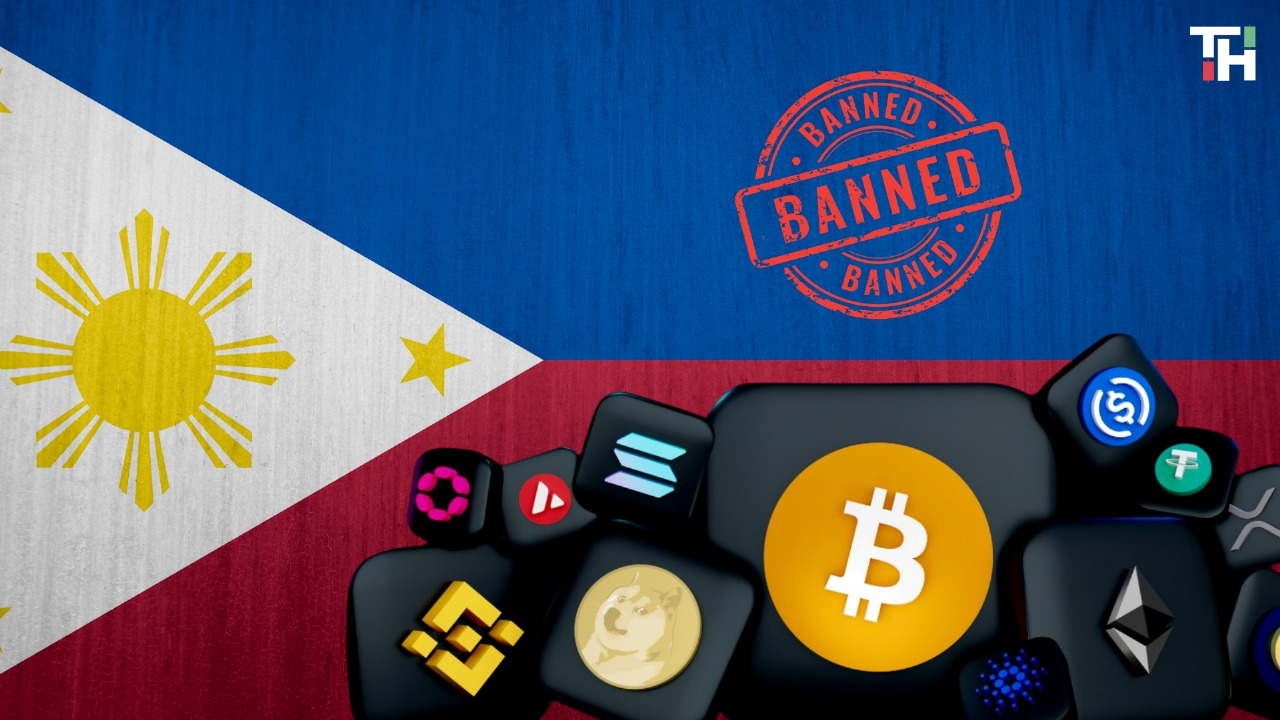
The Philippine Securities and Exchange Commission (SEC) has escalated its regulatory push on digital assets by issuing a public warning on 1 August 2025 against ten popular cryptocurrency exchanges, including OKX, Bybit, KuCoin, Kraken, MEXC, Bitget, Phemex, CoinEx, BitMart, and Poloniex.
The move marks the country’s toughest stance yet on unlicensed offshore platforms and signals a turning point for the local market. For Filipino users, the immediate concern is clear: are their funds at risk?
Why the SEC Took Action
The SEC stated that the bans serve two primary purposes:
- Protecting investors from complete fund loss in case of insolvency or fraud.
- Reducing financial crime risks, such as money laundering and terrorist financing.
By naming exchanges publicly, the regulator sent a strong message: platforms cannot operate in the Philippines without accountability. Offshore players that fail to register or meet compliance standards will face removal through coordinated enforcement actions such as website blocking, app delisting, and crackdowns on influencer-led promotions.
This strategy mirrors the 2024 campaign against Binance, which effectively restricted access to the world’s largest exchange in the country.
From VASPs to CASPs: A New Framework
To understand the crackdown, it’s essential to trace the shift from Virtual Asset Service Providers (VASPs) to the newly introduced Crypto-Asset Service Providers (CASPs).
In September 2022, the Bangko Sentral ng Pilipinas (BSP) announced a three-year moratorium on new VASP applications, freezing the entry of fresh players while regulators reassessed risks. Existing licensed VASPs were allowed to continue operations under the old regime, but no new approvals were issued.
By 2024, the BSP unveiled updated CASP rules, aligned with Financial Action Task Force (FATF) standards. These rules tighten oversight, requiring:
- Local registration – crypto firms must incorporate in the Philippines.
- Capital requirements – a minimum of PHP 100 million in paid-up capital, excluding crypto assets.
- Physical presence – a staffed office to ensure accountability.
- Fund segregation – client assets held separately from company funds.
- Cybersecurity & risk management – strict systems for trading, disclosures, and security.
The transition period from 2022 to 2025 allowed existing players to adapt. Now, with licensing reopening in September 2025, the market will see a wave of domestic and international entrants under the stricter CASP framework.
The ten blacklisted exchanges failed to comply with these requirements, triggering the August 2025 advisory.
Are User Funds at Risk?
The SEC’s warning is not merely symbolic. For Filipino investors still holding funds on the affected platforms, the risks are tangible.
Financial and Legal Risks:
- No legal protection or recourse in Philippine courts.
- No guarantee of fund segregation – meaning user money may be mixed with company operations.
- Higher exposure to exchange collapses, scams, or hacks.
Operational Risks:
- Confirmed website blocking by local ISPs such as PLDT and Smart.
- Imminent removal of mobile apps from Google Play and Apple App Store.
- Risk of frozen withdrawals if platforms pull out of the market abruptly.
The SEC strongly advises investors to act immediately. Recommended steps include halting all trading and deposits, withdrawing assets to licensed local exchanges or private non-custodial wallets, and preserving records of balances and transactions in case of disputes.
In short: continuing to trade on the banned platforms is a gamble with little to no legal protection.
A Growing Market with High Stakes
The Philippines remains one of the world’s most active crypto markets. Chainalysis’ 2024 Global Crypto Adoption Index ranked it among the top ten globally, largely driven by remittances, play-to-earn gaming, and high mobile adoption.
- Remittances: Millions of overseas Filipino workers rely on crypto for low-cost transfers.
- Play-to-Earn Boom: Games like Axie Infinity, despite cooling, onboarded huge numbers of first-time users.
- Mobile-first economy: With widespread smartphone access, Filipinos can easily adopt wallets and exchanges.
- Limited banking access: With 44% of adults unbanked, crypto offers an alternative entry into finance.
However, such popularity also exposes retail investors to predatory platforms. The SEC’s crackdown thus represents both a protection strategy and a market correction, ensuring only compliant players remain active.
Licensed Platforms: Where Users Are Safe
Unlike the blacklisted platforms, several exchanges and service providers continue to operate legally under SEC and BSP oversight. These include:
- Coins.ph
- PDAX
- Maya
- Bloomsolutions
- SurgePay
- Moneybees
- UnionBank
- GoTyme Bank
- XenRemit
- TopJuan Technologies
These licensed providers guarantee segregation of client funds, offer legal recourse, and operate without geo-blocking, ensuring stability and access for Filipino users.
Regional Trends: Southeast Asia Tightens Grip
The Philippines is not alone in raising the regulatory bar.
- Thailand has already blocked Bybit and OKX.
- Indonesia introduced heavier taxation on foreign platforms.
These moves signal a regional alignment: governments want to encourage innovation but not at the expense of investor safety. Larger markets such as Europe (with MiCA regulation) attract global platforms’ compliance focus, while smaller markets like the Philippines are often overlooked, until enforcement forces a change.
The Philippine SEC’s decision is part of this trend, backed by partnerships with tech platforms and FATF-compliant rules. The inclusion of influencer marketing in enforcement shows regulators are paying close attention to how crypto is promoted, not just how it is traded.
Short-Term Pain, Long-Term Gain
The SEC’s ban on ten major offshore exchanges marks the start of a stricter, safer crypto era in the Philippines. Investors face short-term disruption, but the broader outlook is positive.
With the BSP reopening licensing in September 2025, new CASP-compliant exchanges both domestic and global, will re-enter the market. These players must meet higher standards of transparency, cybersecurity, and accountability.
For Filipino investors, the message is clear: withdraw from unlicensed platforms and shift to regulated alternatives. While the immediate impact may feel restrictive, the long-term effect will be a more stable, transparent, and trustworthy digital asset ecosystem.
As Southeast Asia converges on tighter oversight, the Philippines’ proactive stance may secure its position as one of the region’s leading crypto hubs, balancing innovation with investor protection.
Leave a Reply