Web3 gaming is about to step into territory usually reserved for the biggest names in the business. Two blockchain-powered handheld consoles are launching over the next two months. Sui’s SuiPlay0X1 will arrive this month while Play Solana’s PSG1 will follow in October 2025. Together they mark the start of what some are calling the first real console war in Web3.
Microsoft, Sony, Nintendo and now Steam have dominated the handheld space for years. These giants not only have decades of trust behind them but also an endless library of games. Against that backdrop, Web3 consoles have to fight for relevance in a market where gamers are already spoilt for choice.
The big question is whether there is actually room for Web3’s contenders or whether this is a niche experiment that will stay confined to crypto circles.
The Case of the PSG1
The Solana PSG1 will retail at $329. On paper, it is a neat little device. It has 8GB RAM, 128GB storage and a 5-inch OLED display with 1280 x 1080 resolution. The design pays homage to the Game Boy era while offering the slick feel of modern tech. The PSG1 also includes a built-in Solana hardware wallet which makes it a natural fit for those already deep in the chain’s ecosystem.
There is talk that the PSG1 might be able to emulate older systems such as PlayStation 2, GameCube, PSP and Dreamcast. If that proves true it could find a small but loyal base among retro fans. Players will also be able to access the dApps and games built on Solana which adds another layer of appeal.
However, the PSG1 is walled off from the rest of the gaming world. It will not support Steam or Epic Games titles. That may limit it to a group of crypto natives and casual gamers who enjoy novelty rather than mainstream players who want big budget releases. The danger is that without a steady stream of strong Web3 games the PSG1 may end up as a collector’s item rather than a serious competitor.
The Heavyweight SuiPlay0X1
On the other end of the spectrum sits the SuiPlay0X1. With a price tag of $649 it is clearly positioning itself as a serious gaming machine rather than a casual gadget. It comes with an AMD Ryzen processor, 16GB RAM, a 512GB SSD and a 7-inch display. It has more in common with the Steam Deck and Nintendo Switch than with the retro-styled PSG1.
Early footage has already shown the console running titles like Elden Ring. That is impressive and suggests the machine is not just for Web3 dApps but can hold its own with mainstream PC releases. Being able to access Steam and the Epic Games Store makes it more flexible than the Solana handheld.
The Sui console could appeal to gamers who want the best of both worlds – mainstream titles and blockchain features. The drawback is the price. At $649 it is more expensive than the upcoming Switch 2 and not far off from the cost of the ROG Xbox Ally which will offer more raw power. The challenge is convincing gamers that paying extra for blockchain functions is worth it.
Competition on All Sides
These new consoles are not launching into an empty market. They face pressure from every angle. Nintendo’s Switch 2 is landing at $449.99 which is $200 cheaper than the SuiPlay0X1. Microsoft is also entering the handheld race with the ROG Xbox Ally which will start at $549.99 for the base model and $899.99 for the top version.
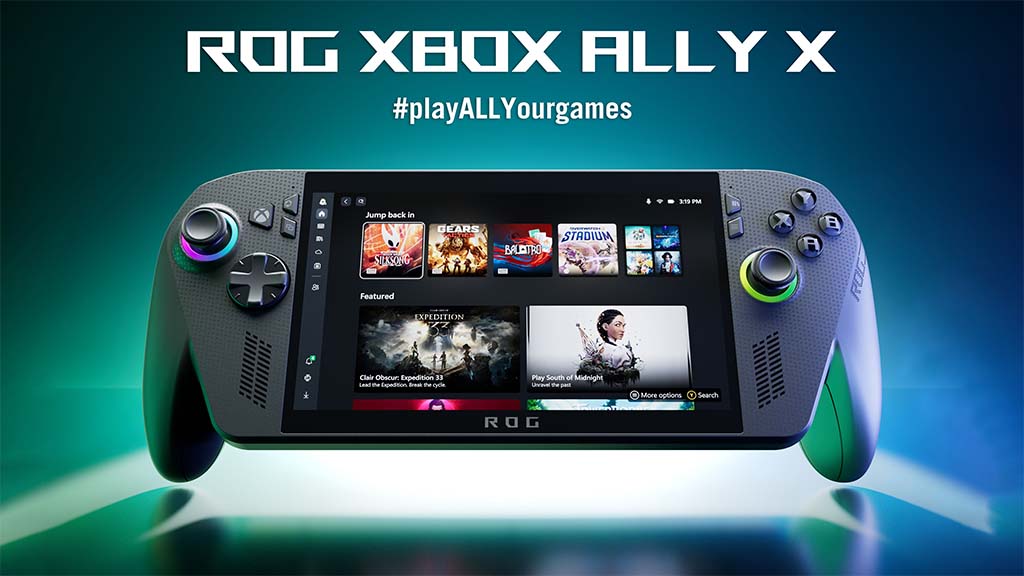
Then there is the Steam Deck which already has a solid user base and strong developer support. Beyond that, a flood of Android-based retro consoles has captured the low-budget end of the handheld scene. Add in the B3PC, a crypto-dedicated gaming rig for desktop players and it is clear Web3 consoles are entering a crowded space with very little room to breathe.
The risk is obvious. If mainstream consoles and handhelds already offer better performance, cheaper prices and far more games, why would gamers choose Web3 devices? The only answer lies in whether the Web3 ecosystem can deliver unique experiences that cannot be found elsewhere. Without that, these machines may be remembered as experiments rather than game-changers.
Why This Matters for Web3
Web3 gaming has long been criticised for being more about speculation than fun. Too often games have been built around token mechanics rather than enjoyable play. Consoles like the PSG1 and SuiPlay0X1 are a chance to show that blockchain can integrate with gaming in a way that adds value rather than distraction.
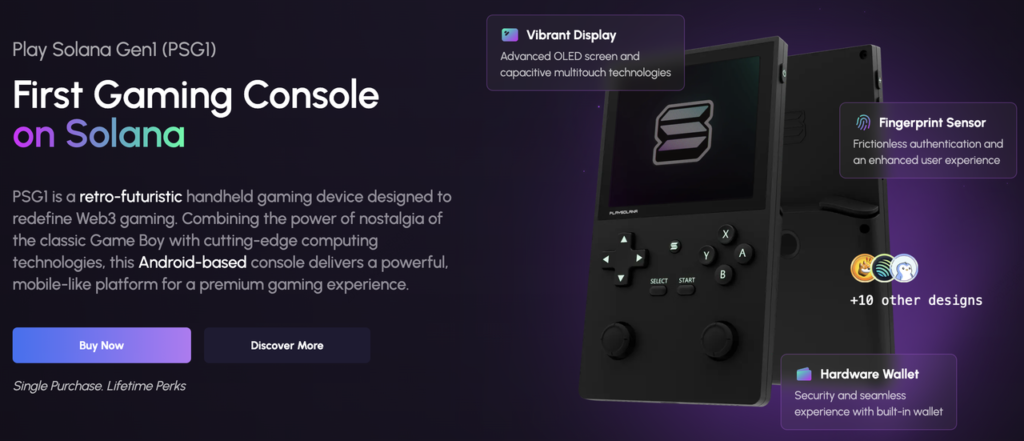
The Solana console may succeed in carving out a loyal fanbase if its community rallies around it and creates games that justify the hardware. The Sui console, with its ability to run mainstream titles, may attract a wider audience if it can match performance expectations.
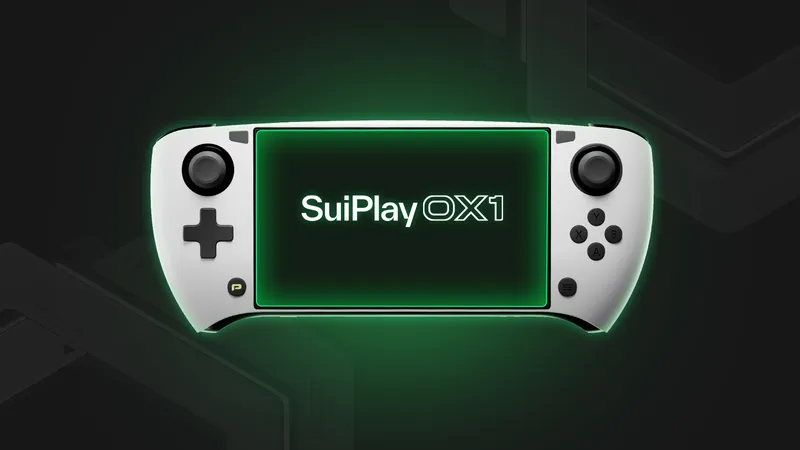
Yet both consoles are gambling against industry giants that know the handheld space better than anyone. The odds are not in their favour but the effort alone could help push Web3 gaming forward. At the very least these consoles will test whether gamers really want blockchain in their devices or whether the idea is more exciting on paper than in practice.
Who Will Survive the War?
The Web3 console war has begun but it feels like a battle fought on borrowed ground. The PSG1 and SuiPlay0X1 have their strengths but also face major hurdles. Without must-play titles and strong ecosystems these devices could struggle to stay relevant.
The safer bet for gamers may still be sticking with Nintendo, Sony, Microsoft, or Steam. For Web3 believers though, these consoles are more than just hardware. They are a statement that crypto wants to claim a place in mainstream gaming.
Whether that ambition turns into reality or fades into another niche experiment will be decided over the next few years. For now, the war is on.