
The Bank of England’s proposal to cap individual holdings of stablecoins has drawn sharp criticism from UK crypto and payments industry groups, who warn that the move would be costly, impractical, and could undermine the country’s position in global digital finance.
The Bank’s Proposal
In November 2023, the Bank of England (BoE) published a discussion paper exploring potential safeguards for the future rollout of a central bank digital currency (CBDC) and regulation of stablecoins. Among its recommendations was the idea of placing limits on individual holdings of a digital pound.
The BoE suggested caps of between £10,000 and £20,000 per person, with a lower option of £5,000 also under consideration. The aim was to prevent risks to financial stability, particularly concerns that large-scale adoption of stablecoins could undermine deposits held in the traditional banking system.
However, UK industry players argue that these restrictions could stifle innovation and put the country at a disadvantage compared with more open regulatory environments elsewhere.
Industry Pushback: “Limits Don’t Work in Practice”
According to a Financial Times report, crypto advocacy groups and payments firms have urged the BoE to abandon its plans. Critics say that enforcing such caps would require a costly and complex infrastructure that issuers are not equipped to build.
Simon Jennings, executive director of the UK Cryptoasset Business Council (UKCBC), was blunt in his assessment:
“Limits simply don’t work in practice. Issuers don’t have sight of who holds their tokens at any given time, so enforcing caps would require a costly, complex new system.”
Jennings has also highlighted the importance of international collaboration in the sector. He recently told Cointelegraph that the UKCBC aims to establish a “transatlantic corridor for payments in stablecoins” between the UK and the United States. Caps on holdings, he argued, would limit the effectiveness of such efforts.

Coinbase’s vice-president of international policy, Tom Duff Gordon, added that restrictions could harm savers and even weaken the pound itself:
“No other major jurisdiction has deemed it necessary to impose caps.”
Regulatory Fears and Global Concerns
UK regulators have long expressed concern about the growing role of stablecoins in the financial system. The Financial Policy Committee (FPC) warned in April that even with strong regulation, stablecoins could heighten risks if widely used in foreign currency denominations, leaving economies vulnerable to currency substitution.
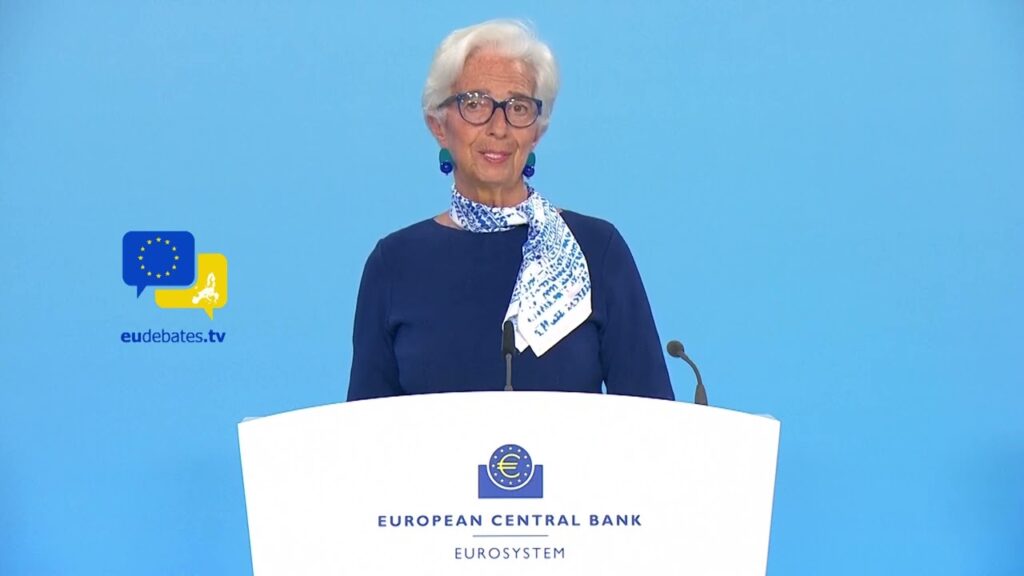
Similar fears have been raised abroad. Earlier this month, European Central Bank (ECB) president Christine Lagarde stressed the risks posed by gaps in stablecoin regulation. She argued that US policies could result in euro deposits shifting overseas, strengthening the role of the dollar in cross-border transactions.
Traditional banks also see stablecoins as a competitive threat. If issuers were permitted to offer yields, they could lure deposits away from banks. Citi’s head of Future of Finance, Ronit Ghose, has warned that such a scenario could mirror the money market fund boom of the 1980s, where bank outflows reached worrying levels.
The Industry’s Counterpoint: Compete, Don’t Restrict
While regulators and banks sound alarms, parts of the crypto industry argue that competition, not restriction, is the answer. Matt Hougan, chief investment officer at Bitwise, suggested that banks should step up their offerings rather than rely on regulators to curb stablecoins.

“If local banks are worried about competition from stablecoins, they should pay more interest on deposits.”
The sentiment reflects a broader frustration among crypto advocates that UK policymakers risk stifling innovation. George Osborne, the former UK chancellor who has become a prominent voice in crypto lobbying, recently remarked that the UK is falling behind in digital assets, particularly in the stablecoin space.
Industry leaders believe that overregulation could not only drive talent and capital offshore but also weaken the country’s ability to compete with the United States and Europe in shaping the future of digital finance.
What Comes Next?
The debate over stablecoin limits highlights a fundamental tension between innovation and regulation. The BoE’s intention is to safeguard the financial system, but industry voices argue that the measures could prove unworkable and counterproductive.
The central bank is expected to review the feedback from stakeholders before making further decisions. Whether the UK chooses to stick with caps or pursue a more flexible approach will be closely watched by the global crypto community.
For now, the message from the industry is clear: limits on stablecoin holdings could do more harm than good, potentially leaving the UK trailing behind more agile markets in the race to define the future of money.
Leave a Reply