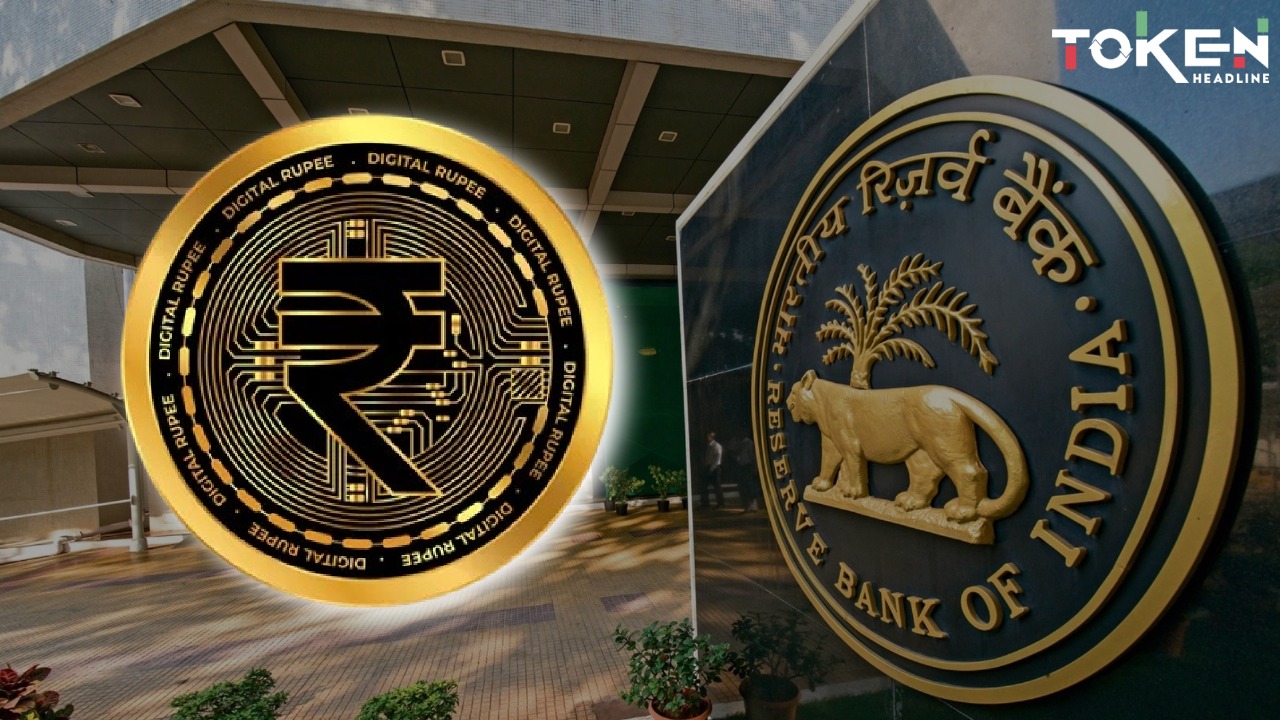
India has reiterated its cautious stance on cryptocurrencies such as Bitcoin while unveiling plans for a new digital currency backed by the Reserve Bank of India (RBI). The move reflects the government’s preference for sovereign-backed digital finance over private crypto assets, which it continues to tax but not officially support.
RBI to Introduce New Digital Currency Initiative
India’s Commerce Minister Piyush Goyal announced that the RBI will soon roll out a digital currency project aimed at improving transaction speed and transparency. Speaking during his visit to Qatar, Goyal confirmed the initiative during a roundtable discussion, as reported by The Hindu on Tuesday.

Separately, the RBI plans to begin a pilot on deposit tokenisation this week. Suvendu Pati, the central bank’s chief general manager of the fintech department, said the pilot would test how blockchain technology could streamline financial settlements. According to Reuters, the RBI intends to use the wholesale version of India’s central bank digital currency (CBDC) as the foundation for the project, working in collaboration with several domestic banks.
Not a Stablecoin, Not a Typical CBDC
Goyal clarified that the new system would differ from both stablecoins and existing forms of CBDC. He stated that the RBI-backed project is designed to make transactions faster, more efficient and environmentally friendly by reducing paper usage.
“It will only make it easier to transact. It will also reduce paper consumption and will be faster to transact than the banking system,” Goyal said. He added that the framework would employ blockchain technology to enhance transparency and combat illicit financial activity.
The minister dismissed the idea of launching a stablecoin under the RBI’s supervision, arguing that the upcoming model would serve India’s financial system more effectively by integrating directly with the banking network.
Government Maintains Neutral Yet Taxing Stance on Crypto
While discussing the RBI’s new digital currency, Goyal reiterated India’s long-held scepticism toward unregulated cryptocurrencies such as Bitcoin. He noted that these assets lack intrinsic value or sovereign guarantee.
“We have not been encouraging cryptocurrency which does not have sovereign backing or which is not backed by assets,” Goyal remarked. “Suppose tomorrow there’s no buyer, there’s nobody to guarantee. It’s a thing you can do at your own risk and cost. The government doesn’t encourage or discourage. We only tax it.”
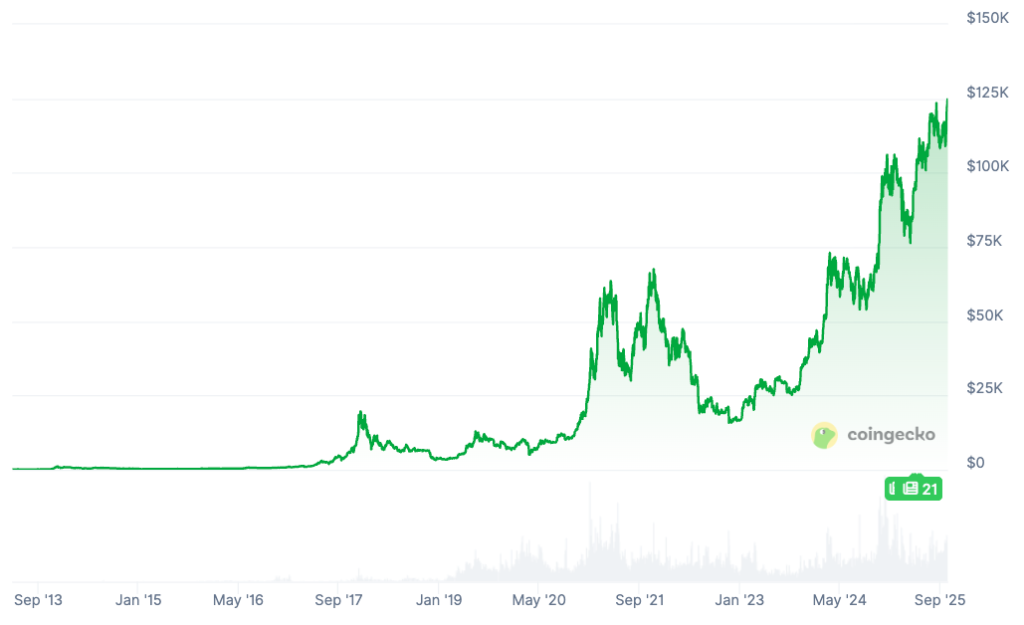
His comments followed Bitcoin’s recent surge above $126,000, the highest level ever recorded on Coinbase. Despite the rapid growth of crypto assets, Indian policymakers continue to view them as speculative instruments rather than legitimate financial tools.
RBI’s Longstanding Caution Toward Cryptocurrency
The Reserve Bank of India has consistently taken a conservative approach to cryptocurrency. Over the past decade, it has debated whether to ban crypto transactions entirely, citing concerns over financial stability and money laundering.
In late 2022, the RBI launched its wholesale CBDC, known as the digital rupee, to modernise interbank settlements and lower transaction costs. The central bank’s latest tokenisation and digital currency plans appear to be an extension of this broader digital finance roadmap.
While the government and the RBI have yet to provide a specific launch date for the new digital currency, officials suggest that India’s push toward blockchain-based financial systems could accelerate in the coming months.
India’s finance ministry and the RBI have not yet responded to media requests for comment on the details of the tokenisation pilot or the structure of the upcoming digital currency.
Leave a Reply