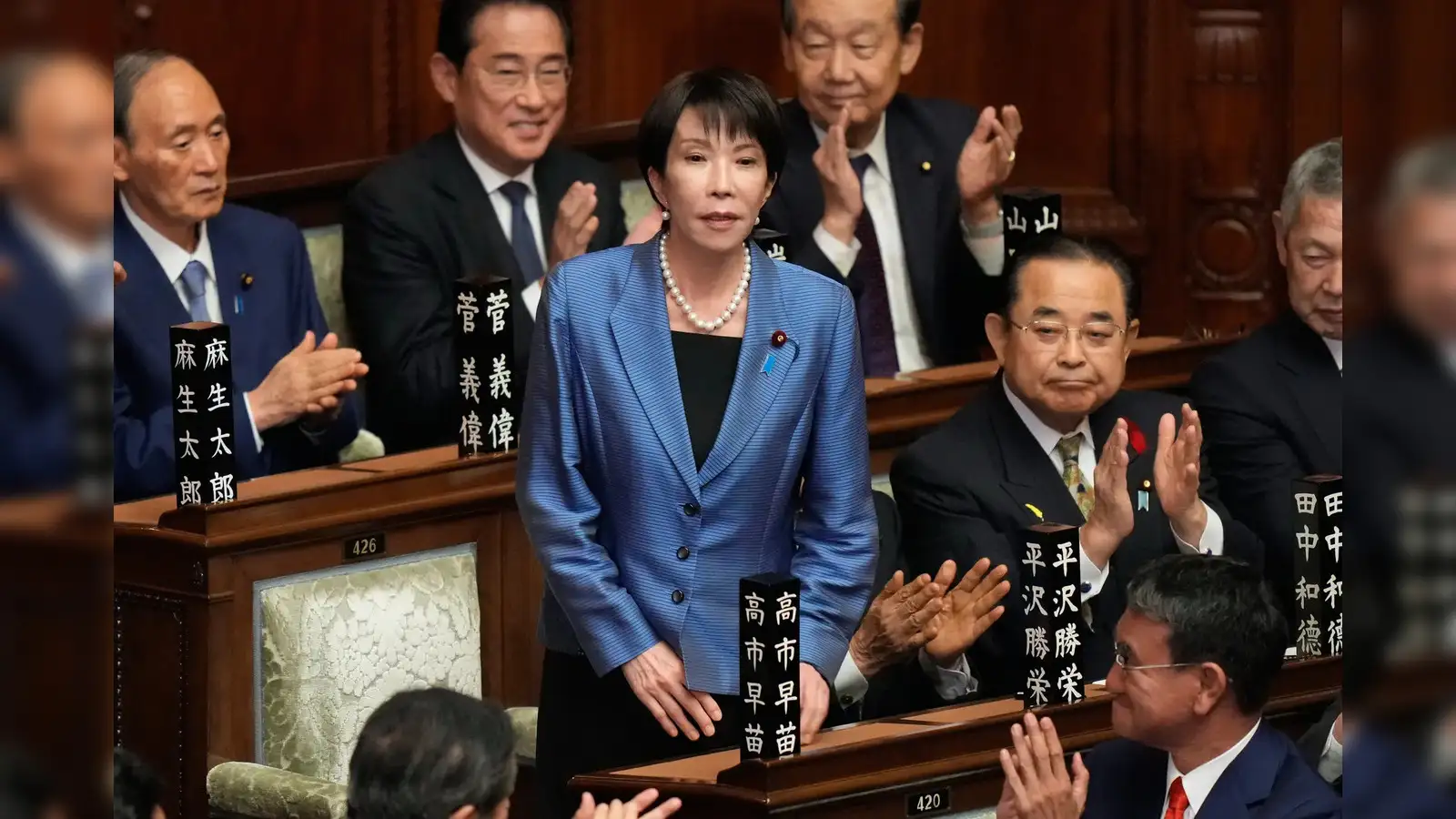
Japan has entered a new era with the election of Sanae Takaichi as the country’s first-ever female Prime Minister. On 21 October, the long-time conservative and ally of the late Shinzo Abe was chosen as Japan’s 104th leader, marking a historic milestone in the nation’s 140-year parliamentary history.
Takaichi’s appointment came after the ruling Liberal Democratic Party (LDP) formed a coalition with the Japan Innovation Party, defeating opposition leader Yoshihiko Noda by a vote of 237 to 149 in the lower house.
Her leadership represents a mix of policy continuity and reform, particularly in the areas of technology, innovation and digital infrastructure, themes that could shape Japan’s approach to cryptocurrencies and blockchain technology.
A Cautious Yet Constructive Crypto Stance
While Takaichi has not made overtly strong public statements about cryptocurrencies in recent years, her policy track record paints the picture of a leader who understands the importance of technological evolution.
As a proponent of digital sovereignty, Takaichi has consistently backed investment in emerging technologies, including blockchain, Web3 and strategic digital infrastructure. Industry analysts interpret this as a cautiously favourable stance towards crypto, one that supports innovation but demands regulatory clarity and investor protection.
Under her leadership, Japan is expected to continue refining its legal frameworks under the Financial Instruments and Exchange Act (FIEA), especially in areas such as tokenised assets, digital custody, and market transparency.
Recent regulatory steps, including the Financial Services Agency (FSA)’s approval for banks to hold Bitcoin and its move to ban insider trading in crypto, align with Takaichi’s preference for regulated growth over unchecked speculation.
“Takaichi is likely to champion a ‘pro-technology, pro-crypto’ environment,” said one Tokyo-based analyst, noting her pragmatic blend of innovation support and financial oversight.
Japan’s Crypto Momentum Builds
Japan has long been recognised as one of Asia’s most progressive nations in the digital asset space. Over the past five years, the country’s crypto user base has quadrupled to 8 million, while on-chain transaction value has surged 120% year-on-year, the fastest growth rate in the Asia-Pacific (APAC) region.
Regulatory reforms have encouraged this momentum. The government has opened pathways for crypto investment products, including exchange-traded funds (ETFs), making Japan one of the few major economies to embrace institutional crypto exposure.
Analysts believe that Takaichi’s economic and technological agenda could further accelerate this trajectory, reinforcing Japan’s role as an emerging global crypto hub.
Tax Reform and Fiscal Policy: A Catalyst for Adoption
One of the biggest challenges facing Japanese crypto investors is taxation. Currently, crypto gains are classified as “miscellaneous income”, attracting rates of up to 55%.
However, Takaichi’s tax-cutting orientation, a hallmark of her broader economic reform agenda, could revive long-standing calls to align crypto taxes with equities, which are taxed at 20%. The Japan Innovation Party, now part of her coalition, has been a consistent advocate for this reform, arguing that it would level the playing field and encourage more retail and institutional participation in digital assets.
Such changes could mark a turning point for Japan’s crypto ecosystem, potentially unlocking new investment and innovation across Web3 startups, DeFi projects and NFT platforms.
In addition, Takaichi’s monetary easing policies and stimulus-driven spending may inject liquidity into the market, indirectly benefiting alternative assets such as Bitcoin and Ethereum. This blend of fiscal expansion and digital innovation could provide fertile ground for Japan’s growing blockchain economy.
The Road Ahead for Japan’s Digital Economy
As Japan’s first female prime minister, Sanae Takaichi’s leadership carries symbolic and strategic weight. Her government’s likely focus on technological self-reliance, coupled with measured crypto regulation, may strengthen Japan’s reputation as a model for responsible digital asset governance.
By combining pro-innovation policies with fiscal pragmatism, Takaichi’s administration could strike the delicate balance between security, investor confidence and market expansion.
If her coalition follows through on crypto tax reforms and continues to support Web3 infrastructure, Japan could soon move from being a regional leader to a global trailblazer in the regulated adoption of digital assets.
Leave a Reply