
Venture capital powerhouse Andreessen Horowitz (a16z) is leading a $12.9 million funding round for ZAR, a fintech startup on a mission to make stablecoins accessible to millions of unbanked citizens in Pakistan. The year-old company plans to use everyday retail points such as corner stores and mobile kiosks to distribute digital dollars to people who have never had access to formal banking.
Making Stablecoins Mainstream in Pakistan
ZAR’s goal is simple yet ambitious: to bring dollar-backed stablecoins to ordinary consumers in a country where the majority still rely on cash. According to World Bank data, more than 100 million adults in Pakistan are unbanked out of a total population of 240 million. For many, traditional banking is out of reach due to limited infrastructure, high fees, or lack of documentation.
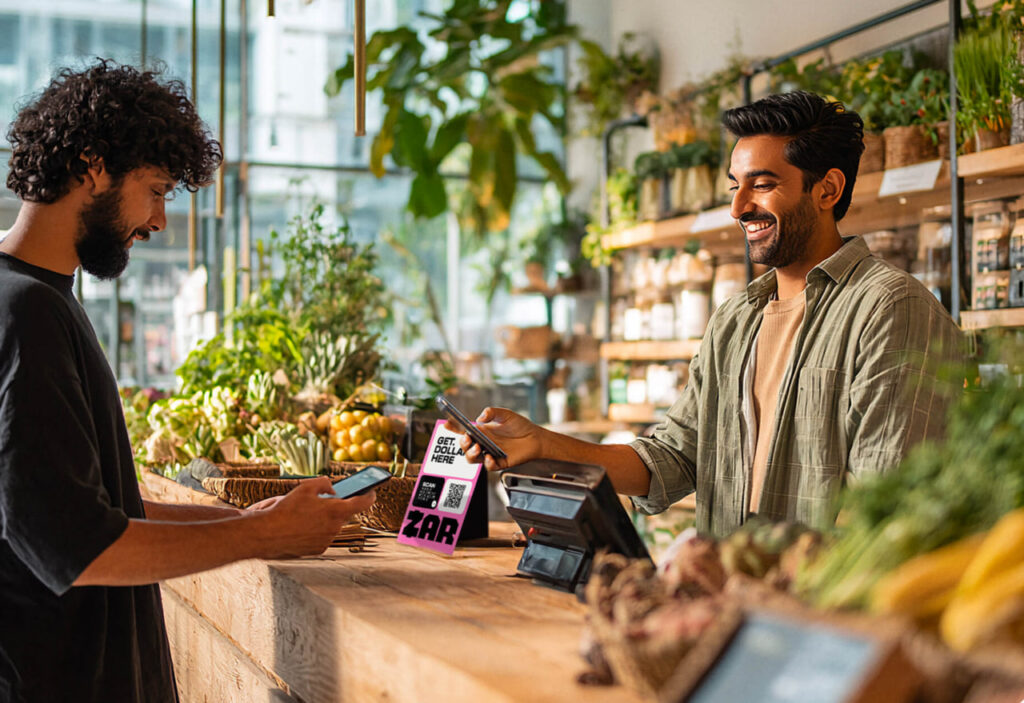
Instead of targeting the tech-savvy elite, ZAR is building its network around local shops, phone recharge outlets, and money transfer agents—the same small businesses already trusted for mobile payments and remittances. The company believes this ground-level approach will allow digital currencies to circulate seamlessly alongside cash.
Backing from Global Investors
The funding round saw participation from several major crypto and venture investors, including Dragonfly Capital, VanEck Ventures, Coinbase Ventures, and Endeavor Catalyst. Bloomberg reported the details of the raise earlier this week.
With a16z at the helm, the round marks one of the most significant venture investments in Pakistan’s crypto ecosystem to date. It also signals growing confidence in the country’s potential as an emerging hub for digital finance.
ZAR’s co-founders, Sebastian Scholl and Brandon Timinsky, are no strangers to fintech in South Asia. The duo previously built SadaPay, a popular Pakistani mobile wallet, which was acquired by Turkey’s Papara in 2024. Their new venture builds on that experience, this time bringing stablecoin access to consumers who may not even realize they are interacting with blockchain technology.
How the ZAR Platform Works
ZAR’s system allows users to walk into a participating shop, scan a QR code, and exchange cash for stablecoins that are instantly loaded into a mobile wallet. These funds are backed by the U.S. dollar and linked to a Visa card, which users can spend globally.
The platform went live earlier this year and has already gained traction in Pakistan’s urban centers, where smartphone usage and digital payments are on the rise. By focusing on simplicity, ZAR hopes to make stablecoins as easy to use as topping up a phone balance or sending a remittance.
Crucially, the company is not expecting users to understand crypto jargon or blockchain mechanics. Instead, ZAR acts as a bridge—turning complex technology into a simple financial service.
Expansion Plans and Regulation
So far, ZAR has raised a total of $20 million, including the latest round. If the pilot in Pakistan proves successful, the team plans to expand to several African markets by 2026, targeting countries with similarly high unbanked populations and cash-heavy economies.
The timing may be favorable. Pakistan has recently made strides toward regulating its digital asset industry. Earlier this year, the government established the Pakistan Virtual Assets Regulatory Authority (PVARA) to oversee virtual asset service providers and promote transparency in the sector.
In September, the government also invited international crypto firms and exchanges to apply for operating licenses under a new federal framework, signaling a shift from restriction to regulation.
Pakistan’s Rapid Crypto Adoption
Despite economic challenges and currency volatility, Pakistan has quietly become one of the world’s most active crypto markets. The country ranked third in Chainalysis’ 2025 Global Crypto Adoption Index, climbing six spots from the previous year.
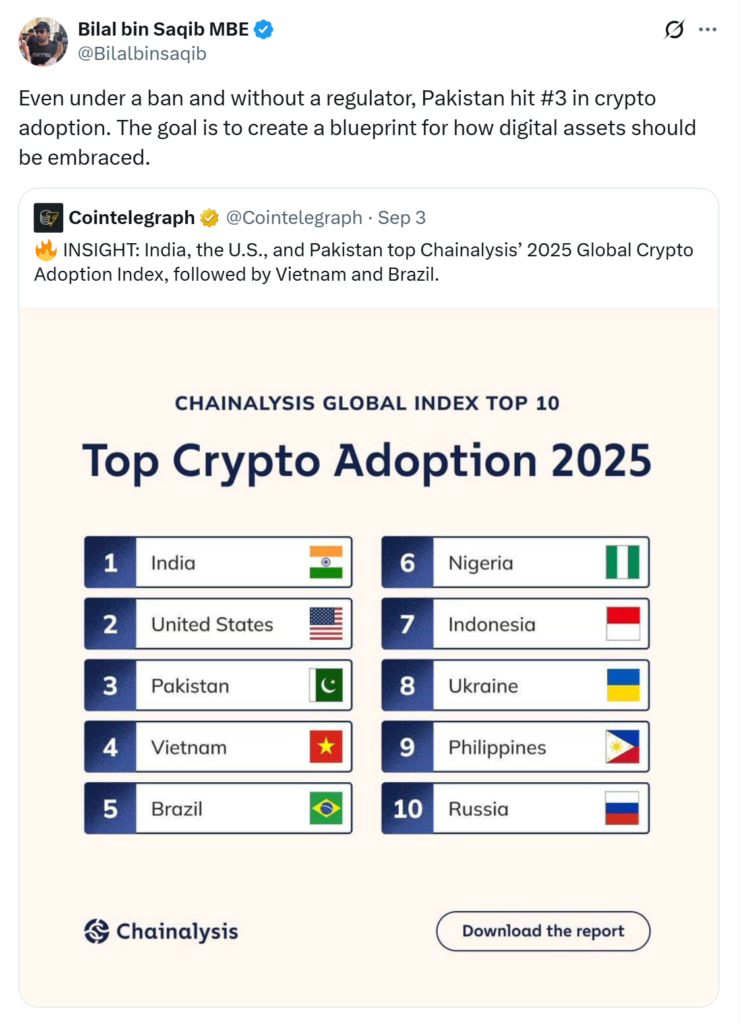
Remittances, inflation concerns, and limited access to foreign currency have fueled this rise, as more Pakistanis turn to digital assets for savings and payments. Stablecoins, which offer a dollar-pegged store of value without the swings of typical cryptocurrencies, are increasingly viewed as a practical solution.
With support from a16z and other global investors, ZAR is positioning itself at the forefront of this movement. By embedding stablecoin access within local communities, the startup hopes to make financial inclusion a reality for millions who have long been excluded from traditional banking.
If successful, ZAR’s model could set a precedent for how digital money reaches underserved populations—not through complex apps or crypto exchanges, but through the small neighborhood stores people already trust every day.
Leave a Reply