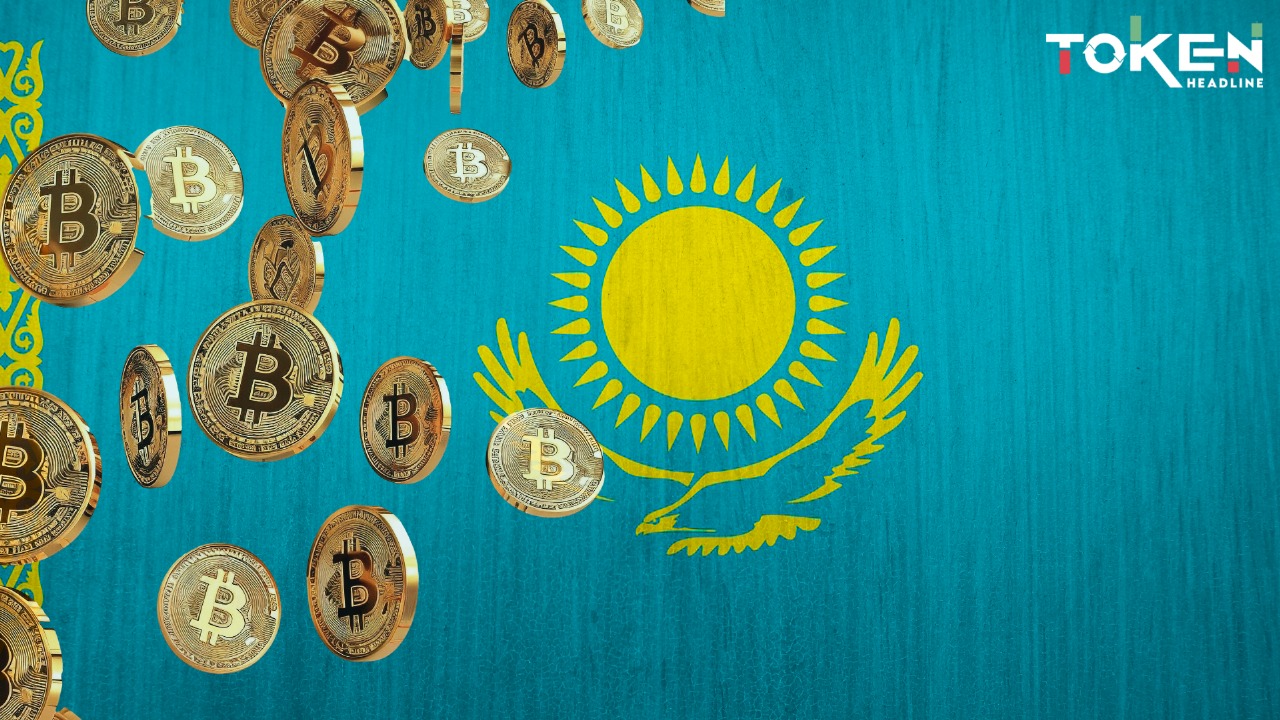
Kazakhstan has unveiled plans to establish a national cryptocurrency reserve fund worth between $500 million and $1 billion, in what could become one of the world’s first state-backed crypto wealth initiatives. The ambitious programme aims to channel seized digital assets and mining revenues into a structured, government-managed investment vehicle, a move signalling the country’s deepening integration of digital finance into its economic strategy.

Speaking in London this week, Timur Suleimenov, Governor of the National Bank of Kazakhstan, said the fund would invest “very carefully” through regulated financial instruments such as exchange-traded funds (ETFs) and shares in digital finance companies rather than holding volatile cryptocurrencies like Bitcoin directly. The initiative, expected to launch by early 2026, will be managed under the Astana International Financial Centre (AIFC), Kazakhstan’s premier fintech and innovation hub.
Transforming Seized Assets Into Strategic Capital
The idea for a state-run crypto fund first emerged in 2024, when the Agency for Financial Monitoring proposed consolidating seized wallets and mined tokens into a national pool. The plan’s objective is to repurpose illicitly obtained digital assets into productive, transparent capital, effectively turning a compliance burden into a source of long-term growth.
Officials described the initiative as part of a broader effort to strengthen Kazakhstan’s economic sovereignty, particularly after years of financial outflows linked to corruption and illicit mining activities. The fund’s initial seed capital will include assets repatriated from abroad and revenues from licensed Bitcoin mining operations, reflecting a growing government interest in legitimising crypto-related revenues within a regulated structure.
The approach mirrors emerging global trends. In the United States, for instance, a crypto reserve programme established under a 2025 executive order manages confiscated Bitcoin and other digital assets obtained through law enforcement actions. Rather than using taxpayer funds to buy cryptocurrencies, these reserves focus on strategically holding and managing existing digital assets to support national innovation and security interests.
Investing in Digital Finance, Not Directly in Bitcoin
Despite Kazakhstan’s heavy involvement in Bitcoin mining, ranking among the world’s top producers, the national bank emphasised that the new fund will not directly hold Bitcoin or other cryptocurrencies. Instead, it will pursue exposure to the digital asset ecosystem through safer, regulated means such as ETFs, blockchain infrastructure equities, and fintech ventures.
Suleimenov noted that this strategy allows the government to benefit from crypto’s long-term potential without the custodial and volatility risks associated with direct token ownership. By focusing on institutional-grade instruments, the fund also aims to attract foreign co-investors once the framework is fully established.
This cautious but innovative model reflects Kazakhstan’s intent to position itself as a responsible global player in digital finance, balancing innovation with strong regulatory oversight.
Diversifying Beyond Oil
For decades, Kazakhstan’s economy has been heavily dependent on oil exports, making it vulnerable to global commodity price swings. President Kassym-Jomart Tokayev has repeatedly called for diversification, encouraging technology, green energy, and fintech as new pillars of growth.
The national crypto reserve fund is a cornerstone of that vision. By institutionalising digital asset investments, Kazakhstan seeks to reduce its reliance on hydrocarbons, attract global fintech players, and transform its image from a resource-based economy to a regional digital finance powerhouse.
The project also aligns with “Alatau CryptoCity”, a planned special zone designed as a regulatory sandbox for blockchain startups and crypto-based payment systems. Together, these initiatives underline Kazakhstan’s ambition to become Central Asia’s leading fintech and crypto hub.
Balancing Innovation and Regulation
Kazakhstan’s journey with cryptocurrency has been complex. Once a magnet for unregulated Bitcoin mining after China’s 2021 ban, the nation later cracked down on illegal operations to protect its power grid and economy. Over time, it introduced a licensing system for miners and stricter anti-money laundering measures, paving the way for the more controlled environment seen today.
The upcoming crypto reserve fund is the culmination of that evolution, a bid to institutionalise the country’s crypto exposure while ensuring transparency and compliance with global financial standards.
If successful, Kazakhstan’s initiative could set a precedent for other emerging economies seeking to harness the economic potential of digital assets without undermining financial stability. With launch plans targeted for 2026, all eyes are now on Astana as it attempts to turn digital volatility into national strength.
Leave a Reply