
Massive Long Position Unravels
A large crypto trader has lost about $8.2 million after a heavily leveraged long position in the ARC perpetuals market collapsed on decentralized derivatives platform Lighter. The sharp unwind forced the platform to activate its risk controls, including auto-deleveraging, while limiting losses for liquidity providers to roughly $75,000.
According to posts shared by Lighter on X, the trader, often referred to as a whale, had been building a sizable long position in ARC over several days. The aggressive buying pushed total open interest in the ARC market to nearly $50 million. Around 600 traders and market makers took the opposite side of the trade, positioning themselves short against the whale’s bet.
Price Drop Triggers Liquidation
The position began to unravel when the price of ARC fell sharply around 6:00 pm ET on Wednesday. As the market moved against the trader, roughly $2 million of the position was liquidated directly through the order book.
The remaining exposure was transferred into Lighter’s liquidity provider pool, known as the LLP. There, the position was categorized under a high risk strategy as the platform worked to contain the fallout.
At one stage during the downturn, the LLP briefly absorbed approximately 200 million ARC tokens, valued at about $14.7 million at the time. As prices continued to decline, the system gradually reduced the position to prevent further imbalance.
Auto-Deleveraging Activated
To stabilize the market, Lighter activated its auto-deleveraging mechanism, commonly known as ADL. Under this process, some profitable short positions were partially closed so the system could safely unwind the distressed long trade.
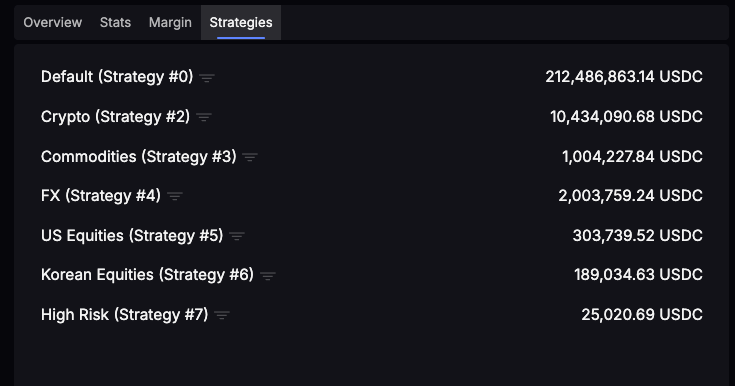
While such measures can frustrate traders whose winning positions are trimmed, they are designed to prevent deeper systemic losses when a highly leveraged position collapses. In this case, short traders who had bet against the whale ultimately walked away with gains.
“In the end, the big long trader lost around 8.2M USDC, LLP lost 75k, and the short traders who took the risk of betting against this position were profitable,” Lighter stated in its update.
Risk Caps Protect Liquidity Providers
Despite the size of the liquidation, losses to liquidity providers were contained. Lighter explained that the ARC market was placed in a separate risk bucket, insulating the platform’s broader liquidity pool from significant damage. As a result, the LLP’s total loss was limited to about $75,000.
Following the incident, the platform moved quickly to tighten safeguards. It introduced a $40 million cap on open interest for ARC perpetuals and shifted the trading pair to a capped liquidity strategy backed by roughly $100,000 in USDC. If that liquidity allocation is exhausted, the system will now automatically switch to ADL to reduce risk.
Lighter indicated that similar caps could be extended to other assets in the future.
Broader Concerns Over Market Manipulation
The episode adds to ongoing debate about price swings and potential manipulation on decentralized trading platforms.
In August last year, four large traders were accused of manipulating the price of Plasma’s XPL token on Hyperliquid after the asset surged nearly 200 percent to above $1.80 within minutes. Earlier, in June, DeFi protocol Resupply reported a $9.6 million loss in its wstUSR market after an attacker exploited pricing through integration with the synthetic stablecoin cvcrvUSD.
While decentralized platforms promote transparency and permissionless access, episodes like the ARC liquidation highlight the risks tied to leverage, thin liquidity, and concentrated positions. For traders, the lesson remains clear: high leverage can amplify gains, but when markets turn, the fallout can be swift and costly.
Leave a Reply