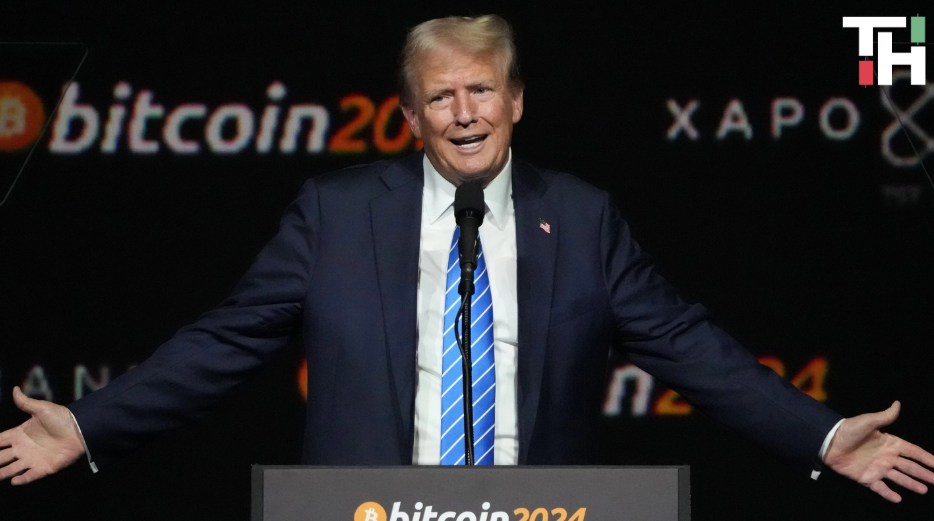
Donald Trump’s recent pro-cryptocurrency stance is poised to shake up the global digital asset landscape, creating a stark contrast between the US’s evolving approach and the EU’s stringent new rules. As the former president positions the US as the “crypto capital of the planet,” industry players are reassessing their priorities, potentially to Europe’s detriment.
Trump’s Crypto Promise Sparks Market Optimism
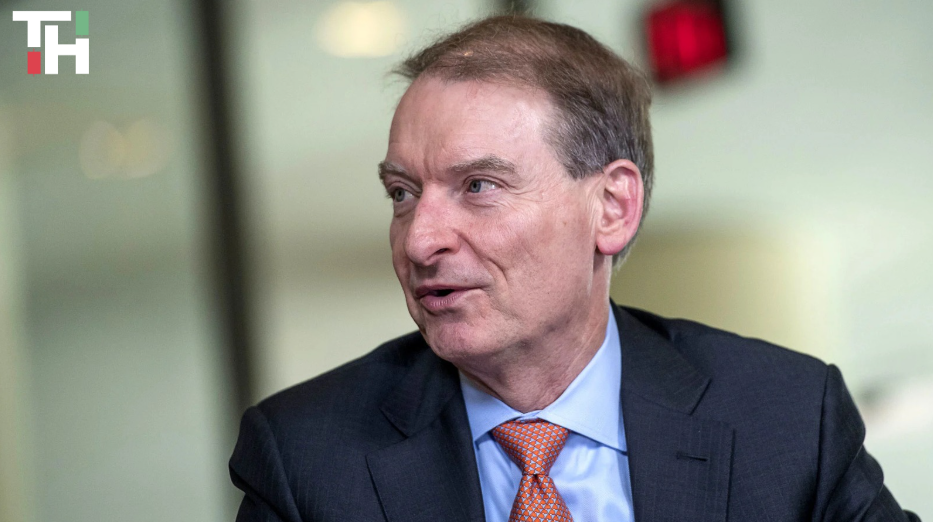
Under Trump’s leadership, the US is set to adopt a markedly crypto-friendly policy environment. His appointments of Paul Atkins, a known crypto advocate, to lead the Securities and Exchange Commission, and David Sacks to advise on cryptocurrency and AI, signal a regulatory shift aimed at fostering innovation.
Trump’s pledge to end the recent US regulatory crackdown has already bolstered market confidence. Bitcoin hit an all-time high of $108,000 this year, driven by renewed interest from retail and institutional investors. This pivot could accelerate the migration of crypto firms back to the US, reversing the exodus caused by previous enforcement actions.
EU’s MiCA: Opportunity or Obstacle?
In contrast, the European Union is rolling out its Markets in Crypto-Assets Regulation (MiCA) on December 30. Designed to safeguard investors and stabilise markets following the collapses of companies like FTX, Genesis, and Celsius, MiCA introduces strict requirements for crypto firms, including mandatory authorisation for services like trading and custody.
While hailed as a benchmark for global regulation, MiCA’s costs are a sticking point for start-ups. “Ongoing compliance costs can push businesses to the brink of viability,” said Yulia Makarova, special counsel at Cooley. Major players like Coinbase and Circle have embraced the framework, securing EU licences, but others, like Tether, face delistings for non-compliance.
Industry’s US Shift Looms Large
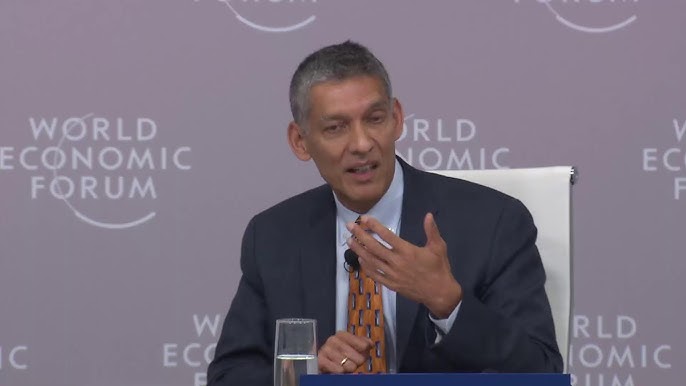
Trump’s crypto push threatens to overshadow MiCA’s potential benefits. Industry experts warn that the ease of doing business in the US under Trump could lure firms away from Europe. “We’re going to see a migration of crypto-related activities away from Europe,” said Eswar Prasad of the Brookings Institution, calling MiCA’s rules “stringent.”
Binance, the world’s largest cryptocurrency exchange, has already indicated plans to refocus on the US. Meanwhile, companies like Binance US are preparing to restore services previously curtailed by regulatory fears, with a target of early 2025 for full US dollar support.
A Balancing Act for Global Crypto Policy
Despite the excitement surrounding Trump’s crypto agenda, some industry leaders see enduring value in MiCA. “The new administration might take some shine off MiCA, but it still presents a great opportunity for the digital assets market,” said Denzel Walters, head of Luxembourg at B2C2.
The global crypto industry is at a crossroads. A more crypto-friendly US may catalyse innovation and institutional adoption, but it also raises questions about regulatory arbitrage and long-term market stability. For Europe, the challenge will be maintaining its appeal as a hub for responsible crypto innovation amid growing competition.
Leave a Reply