
IT Engineer James Howells Loses Legal Battle Over Landfill Access
James Howells, an IT engineer from Newport, Wales, has lost his 12-year legal fight to recover a hard drive containing more than £770 million worth of Bitcoin from a local landfill. The Circuit Commercial Judge for Wales, Judge Keyser, dismissed the case on 9 January, citing “no realistic prospect” of success at a full trial.
The hard drive, which holds 8,000 Bitcoin mined in 2009, was accidentally discarded by Howells in 2013. Since then, he has repeatedly requested access to the landfill from Newport City Council, offering them a share of the Bitcoin if the hard drive was successfully retrieved. However, the council has consistently denied access, citing environmental permit restrictions.
Judge Rejects Legal Case
In his ruling, Judge Keyser stated that Howells’ legal claims lacked sufficient merit to proceed to trial. The council has argued that excavating the landfill would cause significant environmental harm, a concern it has maintained throughout the legal battle. On 11 October 2024, the council reiterated that “excavation is not possible” under its environmental permit due to the “huge negative environmental impact on the surrounding area.”
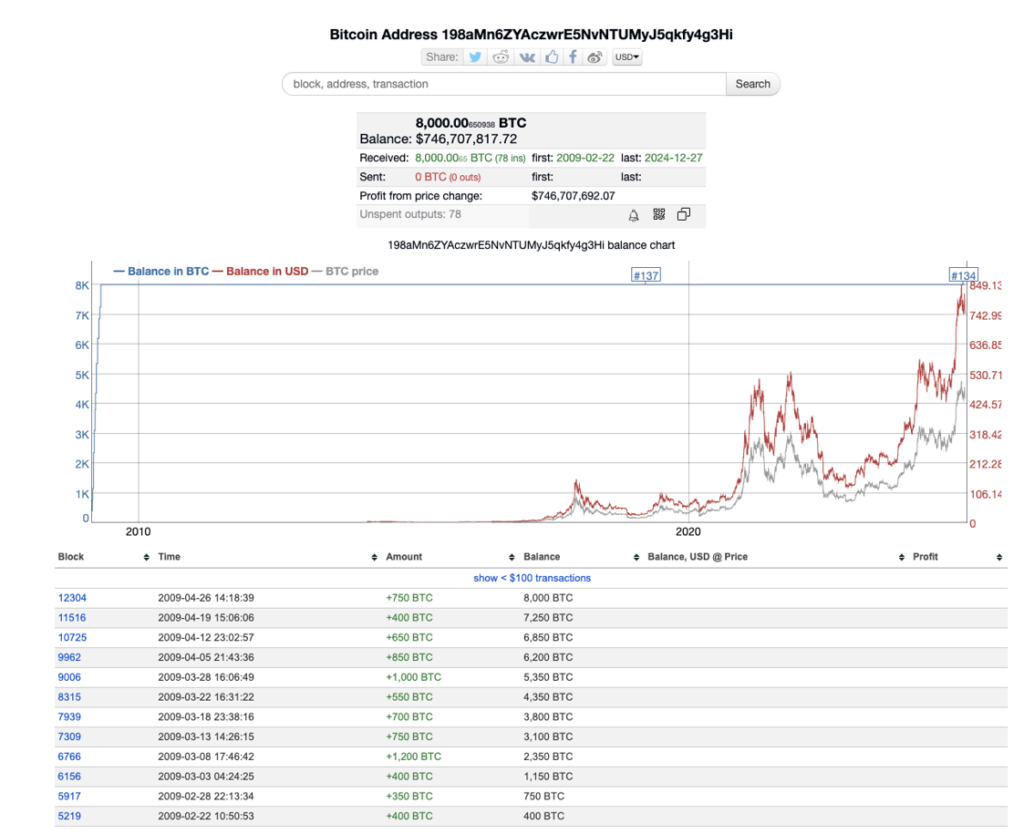
Howells, however, remains critical of the decision. “My case was not given the proper level of consideration that the value of the asset in question deserved,” he said, accusing the UK court system of failing to deliver justice. He also highlighted that his ownership of the Bitcoin hard drive was not challenged during the hearing, calling it an “important acknowledgment.”
Exploring Alternative Avenues
Despite the dismissal, Howells remains optimistic about future possibilities. He stated that he would explore ways to monetise the 8,000 Bitcoin, potentially through tokenisation or other avenues. Negotiations between Howells, his legal team, and Newport City Council continue regarding the final wording of the court order.
A Fortune Lost to the Landfill
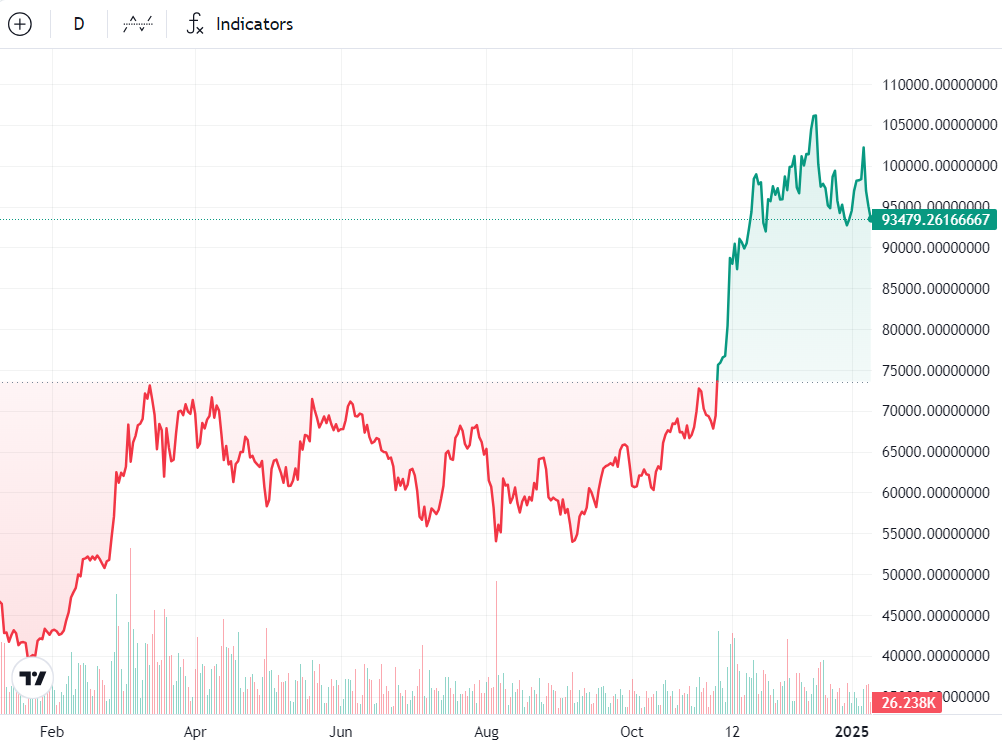
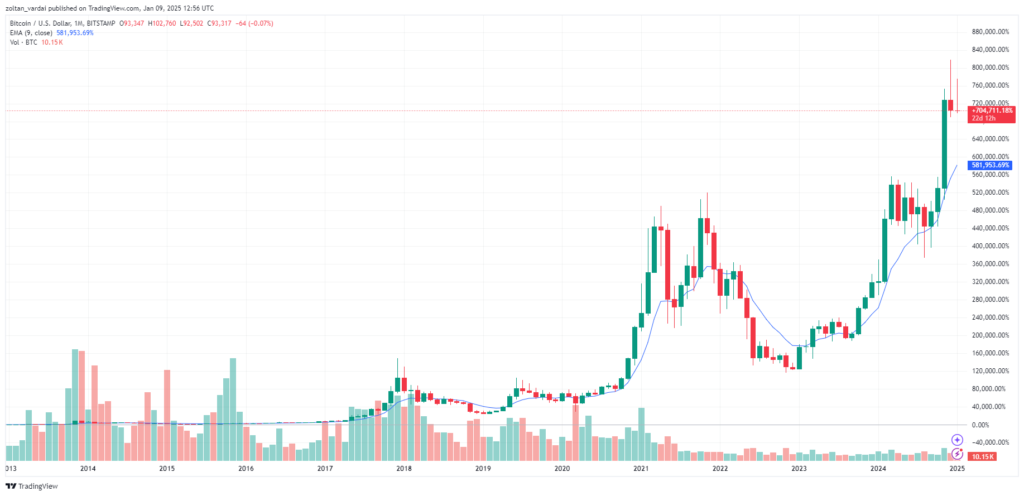
Howells mined the Bitcoin in 2009 when the cryptocurrency had little to no value. At the time, mining was relatively easy and inexpensive. However, he mistakenly discarded the hard drive in 2013, when Bitcoin was worth just £10 per unit. Since then, Bitcoin’s value has skyrocketed, with the cryptocurrency briefly reaching an all-time high of £77,000 ($100,000) in 2024.
For over a decade, Howells has sought access to the landfill, proposing several detailed recovery plans and securing independent experts to oversee the environmental impact. He has also accused Newport City Council of violating its landfill permit by allowing the leeching of harmful substances, including arsenic, asbestos, and methane gas, into the local environment. The council has consistently declined his requests, refusing to meet with him in person.
End of a Legal Saga
The case’s dismissal marks a significant blow for Howells, who had pinned his hopes on recovering the lost hard drive. “This is a disappointing outcome,” he said, adding that he felt the environmental concerns raised by the council were exaggerated.
The Bitcoin hard drive saga has attracted global attention, with many viewing it as a cautionary tale of lost opportunity. Despite this setback, Howells appears determined to find alternative ways to capitalise on his digital assets, even as the landfill remains out of reach.
Leave a Reply