Apex Fusion, a multi-chain Web3 ecosystem, has officially launched its much-anticipated Reputation System, a powerful on-chain tool designed to distinguish genuine users from bots and Sybil attackers. The system, which rewards real participation across blockchain platforms, is now available to the entire Apex Fusion community following a successful beta phase.
With its focus on transparency, decentralization, and trust, the new system aligns with Apex Fusion’s broader goal of uniting the capabilities of Bitcoin, Ethereum, and Cardano to create a truly interoperable Web3 future.
Real Users, Real Rewards
One of the biggest challenges in decentralized ecosystems is identifying authentic users amidst growing numbers of bots and fake accounts. Apex Fusion’s Reputation System addresses this by verifying user behaviour directly on-chain. Every action—whether it’s staking, contributing content, or community engagement—is tracked and verified in real time.
This on-chain validation ensures that only legitimate contributors receive credit, paving the way for fair distribution of benefits like exclusive access, project governance roles, and early airdrops.
The system operates on a structured reputation ranking, with participants progressing through tiers: Citizen, Sentinel, Mason, and Senator. Each rank comes with its own set of tasks and community roles, encouraging deeper engagement and consistent contribution.
Three Pillars of Participation
The Reputation System is built around three primary stakeholder groups:
- Token Holders – Users who actively stake and delegate tokens to support the network.
- Stake Pool Operators – Those who secure the PRIME network, providing infrastructure stability.
- Community Contributors – Members who engage in online discussions, create content, and participate in social activities that boost the ecosystem.
By addressing different roles within the ecosystem, the system ensures that all aspects of participation are accounted for and fairly rewarded.
Privacy-Preserving and Future-Ready
Apex Fusion integrates Zero-Knowledge (ZK) Proofs into the Reputation System, enabling privacy-preserving verification of actions without exposing user data. This means users can prove their contributions without compromising their anonymity—a crucial feature for decentralised identity systems.
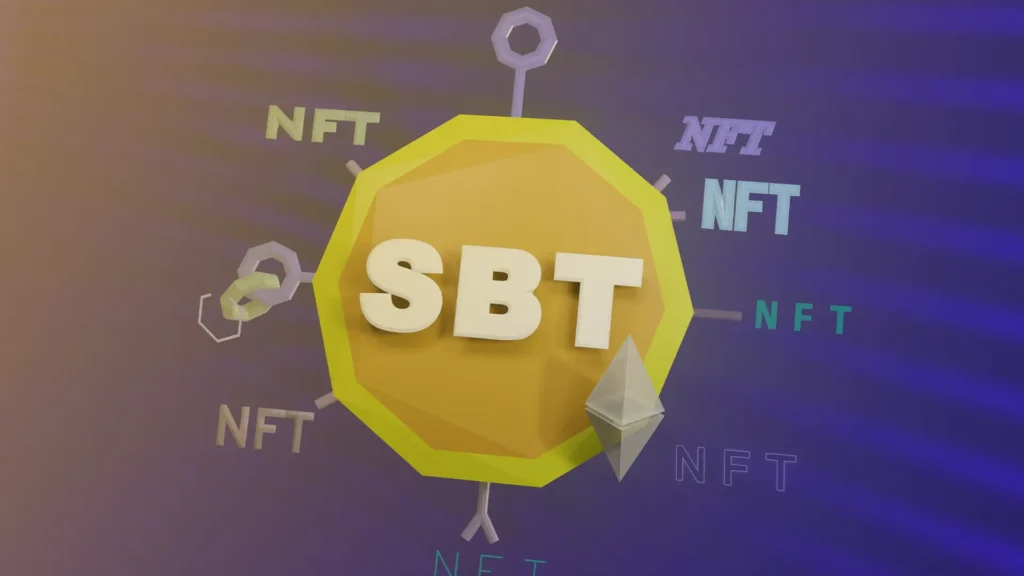
Looking forward, Soul Bound Tokens (SBTs) and NFT-based badges will serve as portable proofs of reputation. These digital identifiers will allow users to showcase their credibility across various dApps and platforms, extending their on-chain identity beyond Apex Fusion.
Moreover, third-party projects will be able to adopt this system, making reputation an interoperable metric across the wider Web3 landscape.
Unlocking Ecosystem Perks
Users who build their reputation and rise through the ecosystem ranks will unlock an array of exclusive benefits. These include:
- Early access to new platform features
- Invitations to private events and AMAs
- Priority in project governance and decision-making
- First-in-line access to token airdrops
- Community recognition and leadership roles
By creating a gamified but verifiable system of status and trust, Apex Fusion ensures that committed users are at the forefront of its development.
A New Standard for Decentralized Identity
Apex Fusion’s launch of the Reputation System marks a significant step toward building a trust-driven Web3 infrastructure. In a world where decentralized communities are often hampered by fake engagement and identity fraud, the platform’s on-chain reputation model offers a robust solution.
With real-time tracking, cryptographic privacy, and the potential for cross-chain recognition, Apex Fusion is not only protecting its community but also laying the groundwork for a standardised reputation layer across Web3.
Leave a Reply