
Bitcoin could soon undergo a major upgrade. The long-dormant proposal known as BIP-119, or OP_CHECKTEMPLATEVERIFY (CTV), is gaining serious traction among developers. If activated, this Bitcoin Improvement Proposal (BIP) could unlock better scaling, safer self-custody solutions, and even more advanced smart contract features on the Bitcoin network.
After years of dormancy, BIP-119 is back in the spotlight, supported by top developers and firms across the ecosystem. As of June 2025, there’s growing belief that the Bitcoin community could reach consensus on the proposal by the end of the year. But what is BIP-119, why does it matter, and what makes it so difficult to implement?
What is BIP-119 and Why Does It Matter?
BIP-119 was proposed in 2019 by developer Jeremy Rubin. It introduces a new Bitcoin opcode called OP_CHECKTEMPLATEVERIFY (CTV). This opcode enables something called covenants, rules that restrict how and where Bitcoin can be spent from a specific wallet.
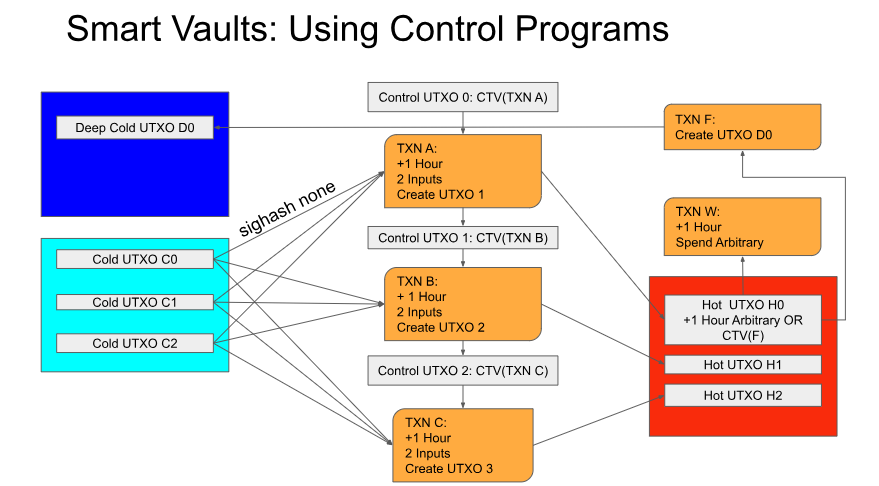
At first glance, this may sound restrictive, but it opens the door to a variety of valuable use cases:
- Smart vaults: Long-term storage wallets with built-in rules, such as only allowing a limited amount of Bitcoin to move each week.
- Improved Lightning Network: A safer and more reliable version of payment channels known as Eltoo or “Lightning Symmetry.”
- Layer-2 scaling: Advanced protocols like Ark and Bitcoin Virtual Machines (BVMs) could flourish, improving network usability and transaction speeds.
- Discreet log contracts: Privacy-preserving smart contracts for conditional payments (e.g., betting on events without revealing details on-chain).
All of these improvements could make Bitcoin more user-friendly, more secure, and more scalable, major wins for both end-users and developers.
Why Are Bitcoin Upgrades So Rare and Complex?
Upgrades to the Bitcoin protocol don’t happen often. The last major one was Taproot, which went live in November 2021. While Taproot brought benefits like improved privacy and efficiency, it also sparked unexpected developments including the controversial use of Bitcoin ordinals (NFT-like data embedded in Bitcoin).
Unlike traditional companies with centralised leadership, Bitcoin is run through decentralised consensus. There’s no CEO, no board, and no single development team. Any significant change, known as a soft fork, requires years of technical scrutiny, debate, and agreement across a global, decentralised community.
Consensus building is slow for a reason: Bitcoin is meant to be secure, reliable, and resistant to sudden changes. But that doesn’t mean progress should stop.
To activate BIP-119, multiple pathways are possible:
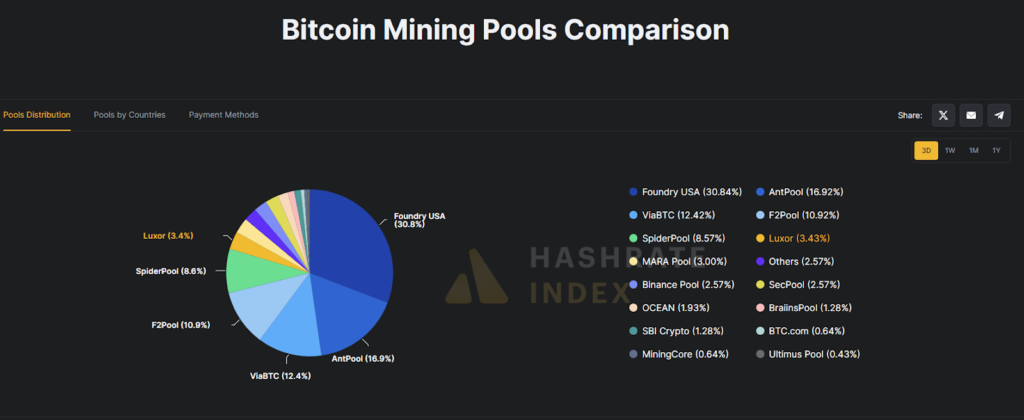
- Miner-led activation, such as the proposed “Speedy Trial,” which requires 90% approval from miners.
- User Activated Soft Fork (UASF), where users running full nodes signal support, a more decentralised approach.
In 2022, Rubin faced backlash for pushing a miner-led activation. Critics argued it gave too much control to miners rather than everyday users. Now, developers are more cautious, aiming for broader consensus through open discussion and transparency.
What Are Covenants and How Could They Help?
Covenants allow users to define rules around how their Bitcoin can be spent. This adds a programmable layer to Bitcoin transactions, something closer to what Ethereum offers with smart contracts, but without overcomplicating Bitcoin’s core principles.
Here are some real-world examples:
- A vault could restrict withdrawals to only a small amount per week, reducing theft risk.
- A company could allow its support desk to access emergency funds within fixed limits, while the rest stays in cold storage.
- Contracts could execute automatically based on event outcomes, offering more privacy than typical smart contracts.
This added control could enhance security, prevent loss, and encourage more advanced custody solutions. For everyday users, it means more confidence in managing their own funds.
Could BIP-119 Unlock Bitcoin’s Layer-2 Potential?
One of the most exciting possibilities BIP-119 brings is the potential to improve Bitcoin’s Layer-2 protocols, especially the Lightning Network and Ark.
The Lightning Network enables fast, cheap Bitcoin payments. It’s already functional but still has technical limitations. With BIP-119, developers could implement more reliable channel types like Eltoo, making Lightning easier and safer for users.
Then there’s Ark, a newer protocol built entirely from Bitcoin transactions. Ark aims to simplify Layer-2 by removing the need for users to manage channels directly. Roose, CEO of the Bitcoin firm Second, believes Ark combined with BIP-119 could drastically enhance Bitcoin usability.

What’s more, Bitcoin Virtual Machines (BVMs) could bridge Bitcoin to platforms like Ethereum, Polygon, or Avalanche, where smart contracts already thrive. That could bring new developers, apps, and use cases into the Bitcoin ecosystem.
As Roose puts it: “The real improvements will be seen in the new protocols. It’s hard to predict where the ecosystem could go with BIP-119 and that’s what makes it so exciting.”
Will BIP-119 Happen This Year?
Momentum is certainly building. On June 9, a group of 66 Bitcoin developers signed an open letter encouraging the review and integration of BIP-119 (and BIP-348, a companion proposal). The signatories include developers from major Bitcoin-focused firms like Luxor Mining, Anchorage, and Alpen Labs, as well as independent experts like Jameson Lopp and Andrew Poelstra.
They’re not calling for immediate activation, just a focus on reviewing the code and building consensus. That’s the first step.
Experts like Steven Roose and Daniel Gray believe that consensus could be reached by late 2025, with some progress possibly an initial agreement happening by the end of 2025. Actual implementation and rollout would still take another 1–2 years, given Bitcoin’s cautious upgrade culture.
A Quiet Revolution for Bitcoin?
Bitcoin has always taken a conservative approach to upgrades, prioritising security and decentralisation above all. But that doesn’t mean it should never evolve.
BIP-119 represents a thoughtful, targeted improvement not a radical overhaul. It doesn’t try to turn Bitcoin into Ethereum, but it does borrow some of the best features of smart contract design and applies them in a way that fits Bitcoin’s design philosophy.
If implemented, it could pave the way for:
- Safer self-custody
- Smarter smart contracts
- Stronger Layer-2 adoption
- New bridges to the wider crypto ecosystem
Most importantly, it could make Bitcoin more practical and secure for everyday use from protecting savings to buying a cup of coffee instantly and cheaply.
With community discussions accelerating and developer interest resurging, the next few months could determine whether BIP-119 becomes the most impactful Bitcoin upgrade since Taproot.
Leave a Reply