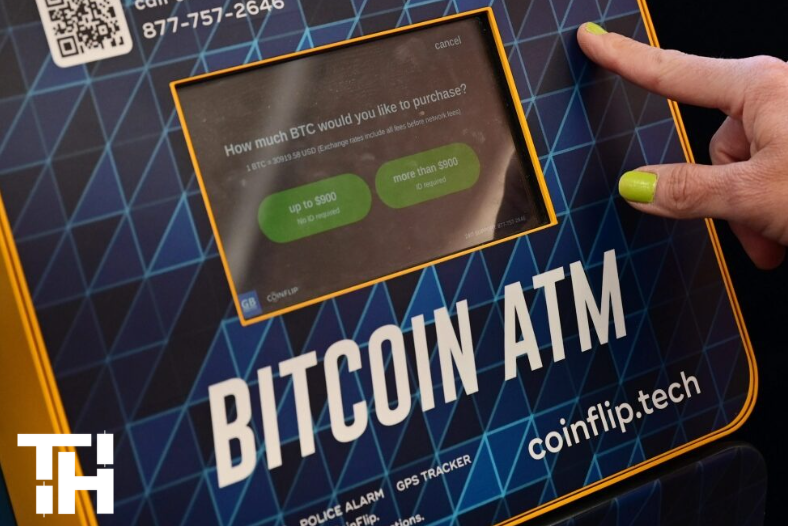
Cryptocurrency ATM fraud in the United States has risen sharply in 2025, with total losses reaching $333 million as scammers increasingly rely on artificial intelligence and organized networks to target victims. A new report from cybersecurity firm CertiK shows that criminals are exploiting the ease and speed of crypto kiosks to move money quickly while leaving investigators with limited clues.
According to the report, complaints related to crypto ATM scams have grown significantly, highlighting how financial crimes linked to digital assets are evolving with new technology.
Fraud Complaints Continue to Rise
Data cited in the report shows that the Federal Bureau of Investigation received more than 12,000 complaints related to crypto ATM fraud between January and November 2025. This represents a 33 percent increase compared to the previous year.
The US remains the global center for cryptocurrency kiosks, hosting about 78 percent of the world’s 45,000 crypto machines. These kiosks allow users to convert cash into cryptocurrency within minutes. However, the same convenience that attracts legitimate users is also appealing to criminals.
CertiK described crypto ATMs as one of the easiest channels for scammers to extract money. The machines allow rapid transactions and often require minimal identity verification, enabling fraudsters to move funds before victims realize they have been deceived.
Older Adults Face the Highest Risk
The report also revealed that older adults are disproportionately affected by these scams. Nearly 86 percent of reported losses involve victims aged over 60.
Researchers attribute this trend to several factors, including larger savings, limited familiarity with cryptocurrency systems, and social isolation that makes individuals more susceptible to manipulation.
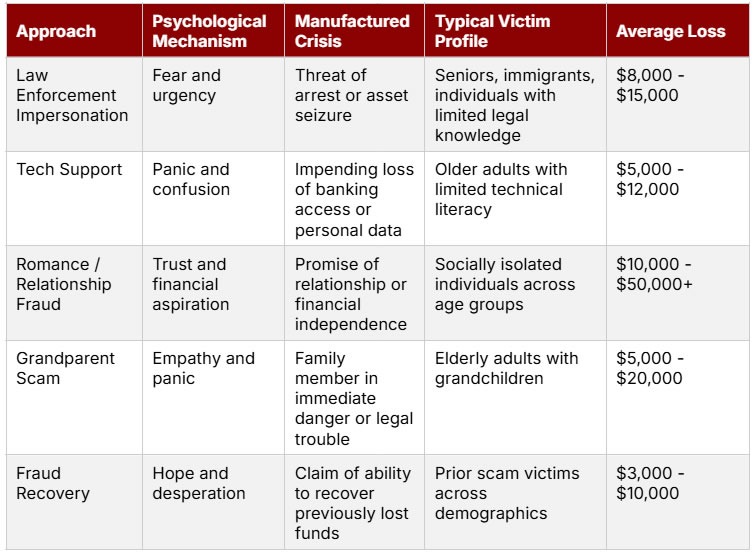
However, the demographic profile of victims is slowly expanding. Younger people are increasingly being targeted through online relationship scams and fraudulent investment opportunities.
One of the most common schemes is known as “pig butchering,” where scammers build long term relationships with victims before convincing them to invest or transfer money. Other common tactics include government impersonation scams, fake tech support calls, grandparent scams, and fraudulent services that promise to recover lost funds.
Why Crypto ATMs Are Hard to Investigate
Unlike traditional cyber theft that involves hacking wallets or stealing private keys, crypto ATM scams rely almost entirely on psychological manipulation. Victims are persuaded to physically visit a kiosk and send funds themselves.
Once the transaction is completed, tracing the source of the funds becomes difficult. Blockchain records only show the transfer from the ATM operator to the receiving address and do not contain the victim’s identity.
CertiK described this as an attribution gap that complicates forensic investigations. Without legal orders requiring kiosk operators to provide records, authorities often struggle to identify who initiated the transfer.
AI Driven Scams Are Becoming More Profitable
Artificial intelligence is now playing a significant role in the growth of these scams. The report found that AI enabled social engineering attacks were about 4.5 times more profitable than traditional fraud tactics in 2025.
Criminal groups are using deepfake technology and automated tools to create convincing impersonations. These tools allow scammers to mimic voices, generate realistic video calls, and tailor conversations using data gathered from social media profiles.
According to CertiK, AI driven tools help scammers craft messages that closely match the language, tone, and communication style of someone the victim trusts. This level of personalization makes scams harder to detect and more effective.
Organized Crime Networks Enter the Space
Another shift highlighted in the report is the growing involvement of structured criminal organizations. Instead of isolated scammers, many operations now function like professional businesses with defined roles.
These groups often operate across multiple countries and include teams responsible for data collection, communication with victims, technical infrastructure, and laundering stolen funds.
CertiK said such organizations are expanding ATM based fraud operations at an unprecedented scale, making the crime more systematic and difficult to disrupt.
Lawmakers Push for Regulation
The surge in crypto ATM fraud has begun attracting attention from US lawmakers. In September, Cynthia Lummis said that upcoming crypto market structure legislation could help address the issue by targeting bad actors while still supporting innovation in the digital asset sector.
Earlier in February 2025, Dick Durbin introduced the Crypto ATM Fraud Prevention Act. The proposed legislation aims to introduce safeguards for users of crypto kiosks and reduce the chances of fraud.
As cryptocurrency adoption grows, experts say stronger consumer protections and better awareness will be essential to limit the impact of scams that combine advanced technology with traditional manipulation tactics.
Leave a Reply