Changpeng Zhao (CZ), the co-founder and former CEO of Binance, is fighting back against a $1.76 billion lawsuit filed by the FTX bankruptcy trust. In a motion submitted to a Delaware bankruptcy court, CZ requested that the case be dismissed entirely.
The lawsuit is part of FTX’s broader efforts to recover funds following its 2022 collapse under founder Sam Bankman-Fried. According to the trust, Binance and its executives allegedly received improper transfers during a 2021 share buyback deal with FTX. However, CZ has called the claim “nonsensical,” arguing that the court lacks the authority to handle the case due to jurisdictional issues and the international nature of the transactions involved.
Jurisdiction Dispute at the Core
CZ’s legal team strongly contends that the Delaware court has no grounds to pursue the case. As a resident of the United Arab Emirates (UAE), Zhao says he has no legal ties to Delaware. The transaction under dispute, a share repurchase deal involved foreign entities based in the British Virgin Islands, Ireland, and the Cayman Islands.
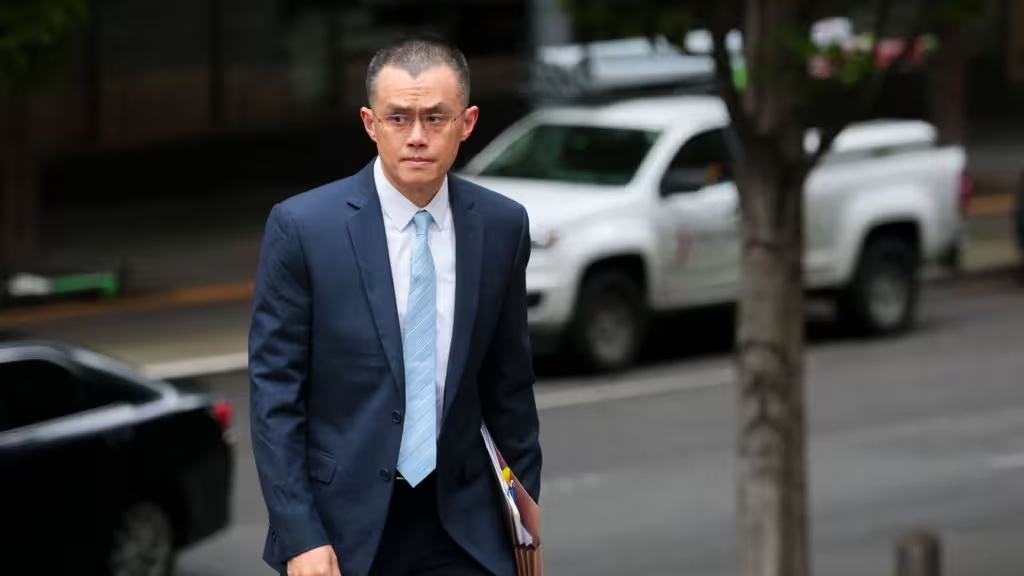
Because the transactions took place outside U.S. borders, CZ argues they fall outside the scope of American bankruptcy law. He emphasized that the legal framework governing U.S. bankruptcy proceedings should not apply to foreign transactions involving non-U.S. entities.
FTX Trust Alleges Fraud, Binance Denies Wrongdoing
The FTX trust alleges that Binance and its leadership team received fraudulent transfers from Alameda Ltd., a key FTX-affiliated entity incorporated in the British Virgin Islands. The trust accuses Binance of participating in fraudulent schemes tied to the downfall of FTX, one of the largest crypto exchanges before its collapse.
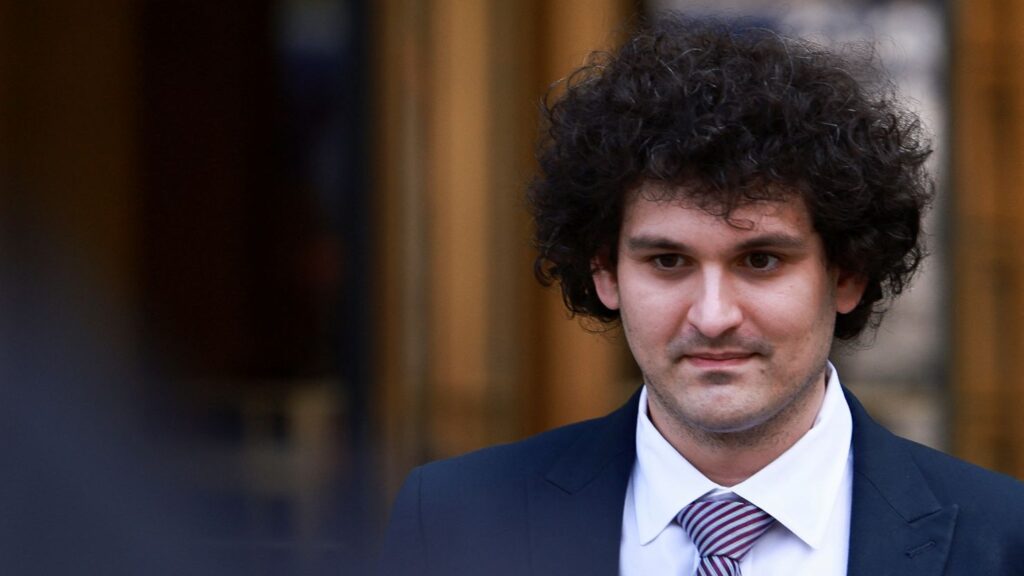
However, Zhao’s legal team has firmly denied these accusations. They argue that the fraud and constructive fraud claims lack sufficient evidence and fail to meet the necessary legal standards. The motion further suggests that the blame lies squarely with FTX’s former CEO, Sam Bankman-Fried, whose “pervasive malfeasance” led to the exchange’s downfall.
Zhao also pointed out that Binance’s partnership with FTX ended years ago, primarily due to “personal grievances” between the two firms. According to him, Binance merely exchanged its 20% stake in FTX for crypto assets and had no role in the mismanagement that followed.
Procedural and Legal Challenges
Apart from the jurisdictional argument, CZ’s legal team also questioned the procedure used by the FTX trust. The motion claims that serving legal documents to U.S.-based counsel for a foreign defendant like Zhao is improper and invalidates the complaint.
Moreover, they argue that U.S. “safe harbor” protections for securities transactions should not be extended to this case. These provisions, usually meant to protect financial transactions from clawback in bankruptcy proceedings, are not applicable to foreign deals, they claim.
The broader case, FTX Digital Markets Ltd. v. Binance Holdings Ltd., is still ongoing in the U.S. Bankruptcy Court for the District of Delaware. However, Zhao’s motion joins a growing list of efforts from Binance-linked executives, including Samuel Wenjun Lim and Dinghua Xiao, who have also sought dismissal of related claims.
The legal clash between Binance and the FTX bankruptcy trust highlights the growing complexity of cross-border crypto litigation. As both sides continue their battle in court, the case could set important precedents for how international crypto transactions are treated under U.S. law.
For now, CZ is standing firm, pushing back against what he calls an overreach by the FTX trust, one he believes is wrongly trying to shift the blame for FTX’s collapse onto Binance and its executives.
Leave a Reply