El Salvador is once again making global headlines in the cryptocurrency sector, as the nation prepares to launch the world’s first Bitcoin bank. The announcement came via the official X account of the National Bitcoin Office (ONBTC), signalling yet another bold step in the country’s pro-BTC journey.
If successful, this pioneering move would mark the first instance of a bank designed solely for Bitcoin (BTC) operations, potentially setting a precedent for other nations to follow.
A Natural Next Step for the Bitcoin Pioneer
El Salvador’s embrace of Bitcoin is nothing new. In 2021, the country became the first in the world to recognise BTC as legal tender, a decision that placed it firmly at the forefront of crypto adoption. This latest initiative, aimed at creating Bitcoin banks, appears to be a natural progression in its ongoing mission to integrate the digital currency into everyday life.
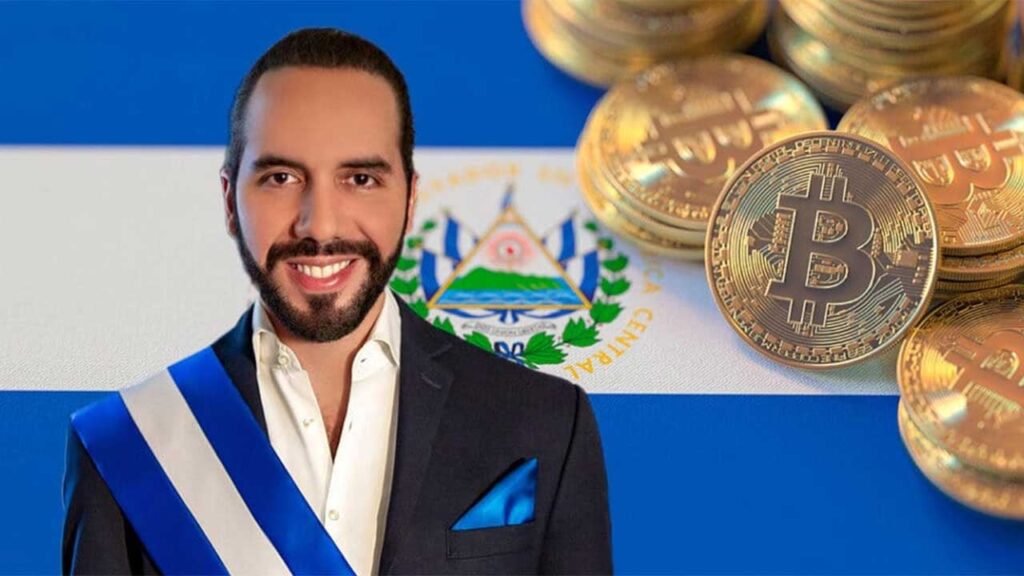
President Nayib Bukele’s administration has been unwavering in its pro-crypto stance, seeing Bitcoin not only as an investment vehicle but also as a tool for financial inclusion and economic resilience. The launch of BTC banks will expand the infrastructure necessary to make Bitcoin transactions and savings more accessible to citizens and businesses alike.
From Fringe to Financial Mainstream
A decade ago, Bitcoin and other cryptocurrencies were dismissed by much of the traditional financial sector. Today, the tide has turned. Major global banks, investment firms, and payment networks are actively integrating blockchain technologies and digital assets into their operations.
El Salvador’s move could accelerate this mainstream shift. By establishing the first official Bitcoin banking institutions, it may prompt other nations to consider similar models, particularly those seeking to diversify their reserves or reduce reliance on fiat currencies vulnerable to inflation.
Interestingly, even outside El Salvador, momentum is building. In the United States, President Trump recently signed an executive order to establish a digital asset reserve, reflecting a growing recognition of cryptocurrency as a legitimate financial asset.
Implications for Bitcoin Adoption
Bitcoin has been one of the best-performing assets in the past 15 years, outpacing traditional investments such as stocks, gold, and government bonds. Its appeal as a hedge against inflation is attracting savers and investors worldwide. While the US dollar and other fiat currencies have steadily lost purchasing power over the decades, BTC’s value trajectory has moved in the opposite direction.
The launch of dedicated Bitcoin banks could significantly expand BTC’s accessibility. Citizens could potentially hold their savings directly in Bitcoin within regulated banking structures, making it easier for everyday people to participate in the crypto economy without relying solely on private wallets or exchanges.
Bullish Sentiment Remains
Bitcoin recently hit a new all-time high of $122,838 in July, reigniting bullish sentiment across the market. Prominent industry figures, including Binance founder Changpeng Zhao and Ark Invest CEO Cathie Wood, have predicted that BTC could reach the $1 million mark before the decade ends.
If El Salvador’s banking model succeeds, it could further fuel institutional and retail demand for Bitcoin, potentially accelerating this upward trajectory. The move may also serve as a test case for how crypto-specific financial infrastructure can operate alongside, or even replace traditional banking models.
El Salvador is once again making history with its plan to launch the world’s first Bitcoin bank. Building on its pioneering legal tender decision in 2021, the country is pushing the boundaries of what’s possible in the digital asset space. If the initiative proves successful, it could inspire a wave of Bitcoin banking adoption worldwide, cementing BTC’s position at the heart of the future financial system.
Leave a Reply