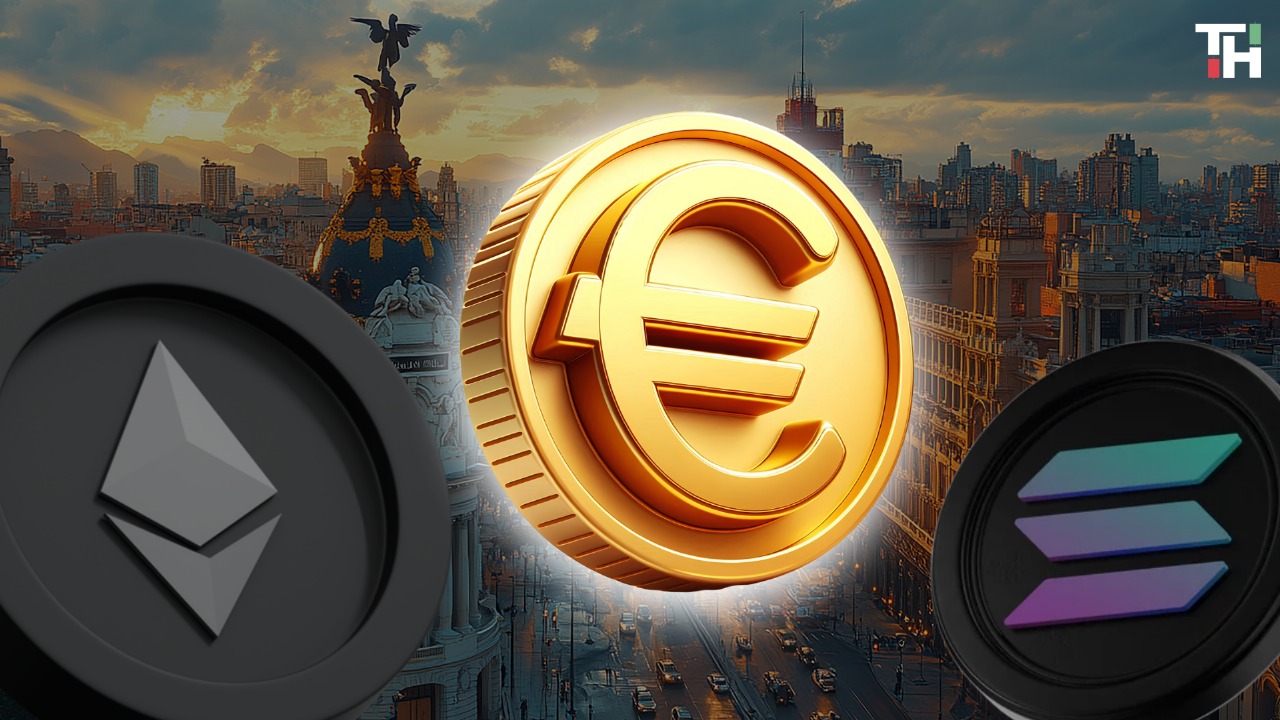
Europe is moving quickly to develop a digital euro after the United States introduced strict new rules for stablecoins. With the euro’s global role at stake, officials are debating whether to build the project on a private central bank system or to use public blockchains like Ethereum or Solana. The outcome could reshape the future of digital payments across the continent and beyond.
Why the Digital Euro Timeline Is Accelerating
For years, European officials took a cautious approach to the digital euro. The European Central Bank (ECB) first began exploring the project in October 2021 as a complement to physical cash and as an upgrade to Europe’s payment systems. Originally, the plan was to build the currency on a closed, centralised ledger controlled by the ECB.
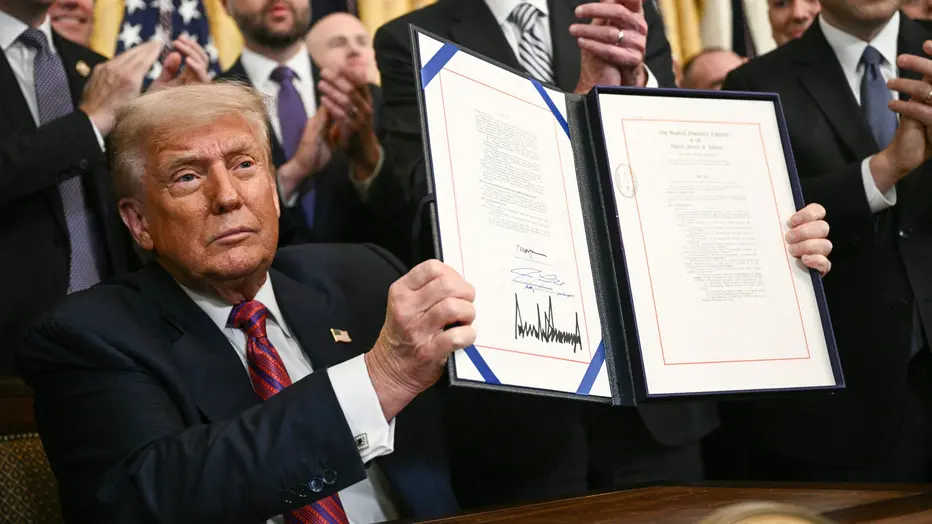
That stance has shifted dramatically in recent months. The trigger came from the United States, where President Donald Trump signed the Genius Act in July. This new law created the first comprehensive framework for the $288 billion stablecoin industry. It requires issuers to hold full liquid reserves, obtain licences, and follow strict reporting standards.
US regulatory clarity has put Europe under pressure. Policymakers in Brussels now worry that dollar-backed tokens could surge in global adoption, weakening the euro’s relevance in international trade and payments. To prevent this, the ECB is speeding up its work on the digital euro.
The Public Blockchain Debate
One of the biggest questions facing European officials is whether the digital euro should live on public blockchains like Ethereum or Solana.
Supporters of the public model argue that an open, decentralised system would make the digital euro easier to trade globally. It could strengthen the euro’s role in cross-border payments, where currently non-European firms handle between 68% and 72% of eurozone transactions. The wider circulation of a blockchain-based euro could help balance the global dominance of dollar stablecoins.
Critics, however, warn about transparency and privacy risks. Every transaction on a public blockchain is recorded permanently, raising concerns about user data, regulatory oversight, and financial surveillance. A private ECB-controlled ledger, they argue, would offer greater control and security, even if it limited global reach.
This debate is not just technical. It reflects deeper geopolitical choices: should Europe follow China’s model of a tightly controlled digital yuan, or adopt a more open, globally integrated approach?
US Rules Push Europe to Act Faster
The Genius Act in the United States has created urgency in Europe. The law has made dollar-backed stablecoins safer, more regulated, and more appealing to international users. European policymakers fear that, without a competitive alternative, global demand for dollar stablecoins could grow at the expense of the euro.

ECB executive board member Piero Cipollone has publicly warned that the rise of dollar-pegged tokens could destabilise Europe’s financial system. If businesses and households shift deposits into dollar-backed digital assets, it could reduce the role of the euro in both domestic and cross-border finance.
The digital euro, therefore, is no longer just a technological project. It is becoming a tool of economic strategy and currency competition.
Europe, the US, and China in a Digital Currency Race
The digital euro project is part of a wider global race to define the future of money.
- The US has strengthened its stablecoin market with regulation, making dollar tokens a safer option for global users.
- China has already rolled out its digital yuan on a private system, keeping strict government control.
- Europe is now weighing both options, whether to prioritise regulatory control with a private ledger, or global reach with public blockchains.
Beijing is also exploring yuan-backed stablecoins to counter the dollar’s dominance in digital assets. More than 99% of today’s stablecoins are dollar-based, a statistic that highlights how far other currencies must go to catch up.
What Comes Next for the Digital Euro
The ECB has not yet made a final decision on the design of the digital euro. Both a centralised system and a blockchain-based version remain under consideration. What is clear, however, is that Europe no longer sees the project as optional.
A digital euro would be the ECB’s direct entry into digital assets, serving as a public alternative to private euro stablecoins. It could help protect Europe’s monetary sovereignty, strengthen the euro’s role in cross-border payments, and provide citizens with a safe digital payment option backed by the central bank.
As global competition intensifies, the design choices Europe makes, whether private or public, centralised or decentralised will shape its role in the future of money.
Leave a Reply