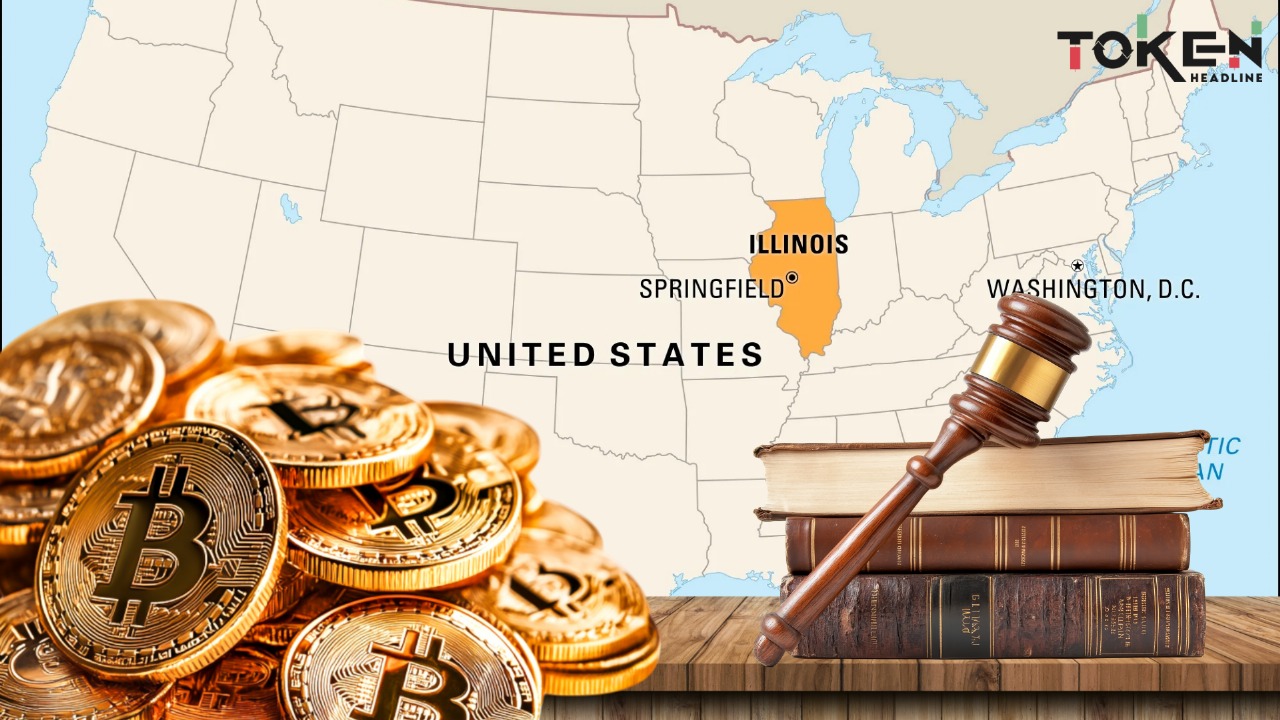
Illinois has become the first state in the Midwest to enact strict consumer protections for cryptocurrency users, setting itself apart from states that have embraced looser regulations. Governor JB Pritzker signed two landmark bills this week, taking aim at what he described as the Trump administration’s failure to protect ordinary investors from scams and excessive fees.
Pritzker Targets Trump’s Deregulation
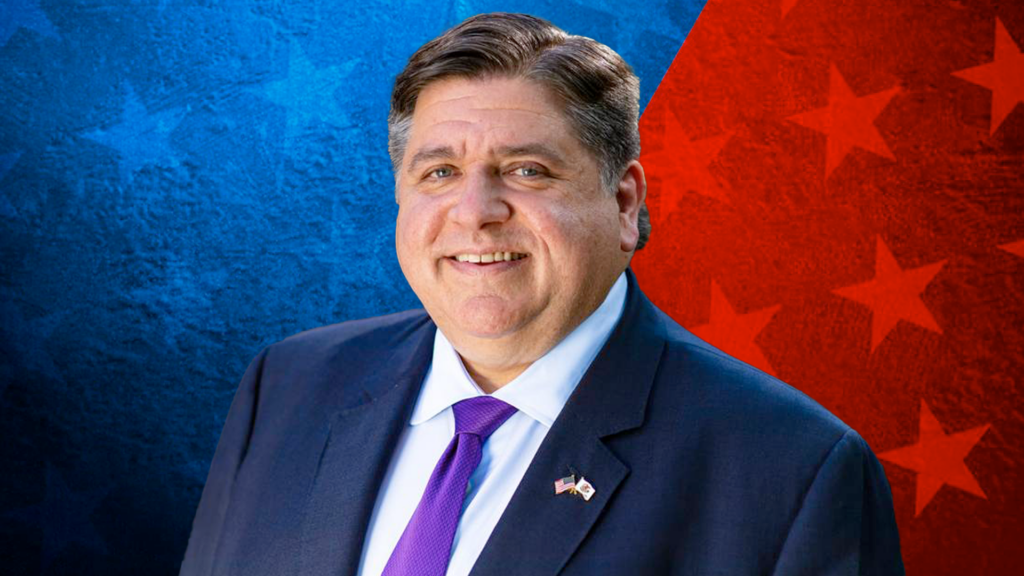
Governor Pritzker did not hold back when signing the legislation. He criticised President Donald Trump for letting “crypto bros” influence national policy while federal safeguards were being stripped away.
“While the Trump Administration is letting crypto bros write federal policy, Illinois is implementing common-sense protections for investors and consumers,” Pritzker said on Monday.
His remarks highlight the widening divide between Republican-led states such as Texas and Arizona, which have welcomed the industry, and Democratic states like Illinois, which are adopting a more cautious stance.
The Digital Assets and Consumer Protection Act
The centrepiece of the reforms is the Digital Assets and Consumer Protection Act (SB 1797). The law gives the Illinois Department of Financial and Professional Regulation broad oversight over digital asset businesses and exchanges operating in the state.
Under the new framework, crypto firms must:
- Maintain adequate financial resources.
- Put in place cybersecurity and anti-fraud safeguards.
- Disclose key risks to investors.
- Provide customer service standards comparable to traditional financial services.
The law passed the state Senate earlier this year and now places Illinois at the forefront of crypto oversight in the region. Pritzker argued that these measures are necessary to protect residents from the rising tide of fraud.
“At a time when fraudsters continue to evolve, and consumer protections are being eroded at the federal level, Illinois is sending a clear message that we won’t tolerate taking advantage of our people and their hard-earned assets,” he said.
Regulating Crypto ATMs
The second bill, the Digital Asset Kiosk Act (SB 2319), targets the fast-growing but controversial market for cryptocurrency ATMs. These kiosks, often placed in convenience stores, have been linked to scams and high transaction costs.
The new law requires operators to register with state regulators, refund scam victims in full, and comply with fee limits. Transaction fees are now capped at 18%, while daily purchases for new customers are restricted to $2,500.
Representative Edgar Gonzalez Jr. explained: “The people of Illinois deserve reliable, consistent safeguards, no matter the financial service they utilise for their hard-earned money.”
The rules are designed to reduce fraud and protect vulnerable residents from being overcharged. The urgency is underscored by FBI data showing that Illinois residents lost around $272 million to crypto fraud in 2024, ranking the state fifth-highest in the country for such losses.
A Strategic Shift in State Policy
The measures also reflect a broader change in Illinois’ approach to cryptocurrency. Earlier this year, a proposal to create a state Bitcoin reserve was rejected at committee stage. The bill, introduced by Representative John Cabello, would have allowed Illinois to buy and hold Bitcoin in its treasury for five years. Lawmakers opted against it, signalling reluctance to expose public funds to volatile digital assets.
At the same time, the governor’s office has continued to criticise Trump’s deregulation agenda. Officials cited Trump’s decision in April to sign a bill overturning an IRS rule that would have widened the definition of “broker” to include decentralised finance (DeFi) platforms. They argue that such rollbacks leave consumers more vulnerable to fraud.
What It Means for the Crypto Industry
Illinois’ move is likely to intensify the state-by-state divide on crypto regulation in the US. Some states are doubling down on crypto adoption to attract business investment, while others are building walls around consumers.
For crypto companies, the Illinois rules mean higher compliance costs but also a clearer legal framework. For consumers, the hope is fewer scams, lower fees, and more transparency when using exchanges or kiosks.
Whether these protections prove effective remains to be seen. But Illinois has sent a message: in the battle between rapid crypto growth and investor protection, the state is siding firmly with consumers.
Leave a Reply