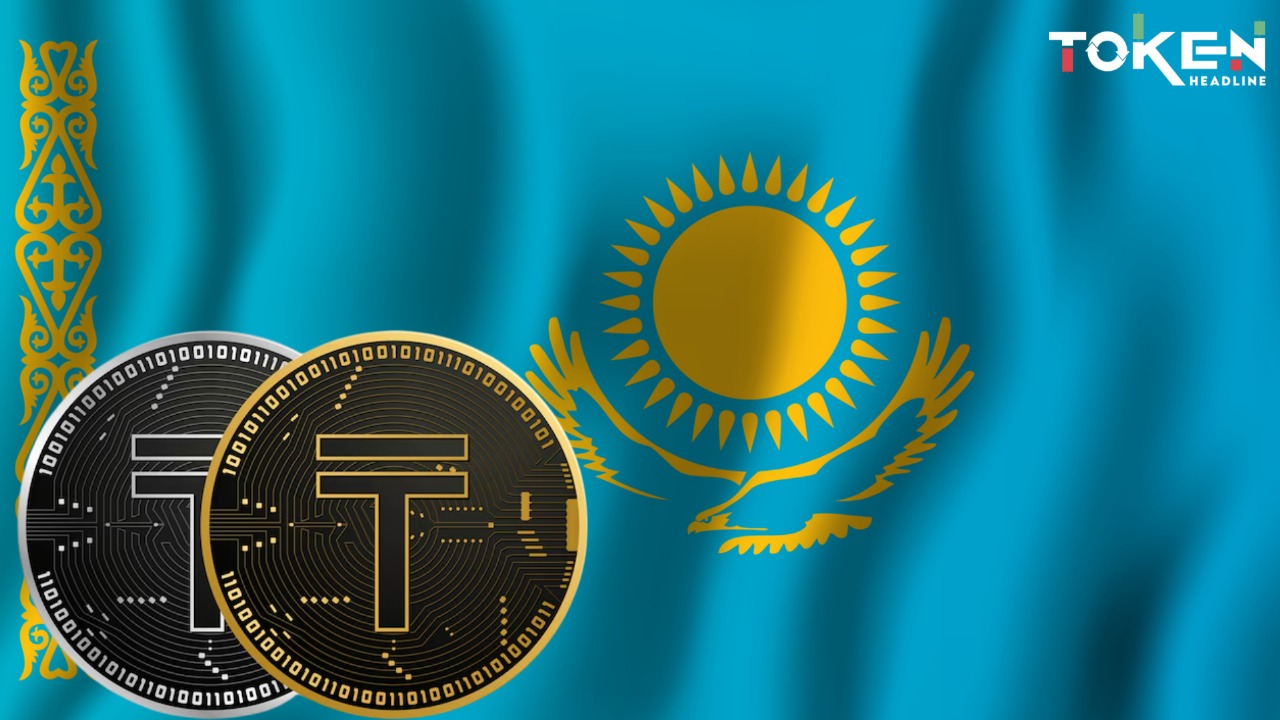
Kazakhstan is advancing a dual-track approach to digital assets by piloting its central bank digital currency (CBDC), the digital tenge, alongside a state-backed stablecoin called Evo. The move underlines the country’s ambition to become Central Asia’s leading hub for cryptocurrency and blockchain innovation.
Evo Stablecoin Joins Digital Tenge Pilot
In September, the National Bank of Kazakhstan introduced the Evo stablecoin in collaboration with Solana and Mastercard. The project is among the first state-backed stablecoin initiatives globally. At the same time, the central bank has been testing its CBDC, the digital tenge, which launched in 2023.
Deputy governor of the National Bank, Berik Sholpankulov, stressed that Evo and the digital tenge should not be viewed as rivals but as complementary elements. “We see opportunities for integration and interoperability,” he said. He confirmed that the digital tenge pilot continues to expand with new participants, while lawmakers are drafting regulations to establish it as legal tender, equal to fiat money.
CBDC for Sovereignty, Stablecoin for Ecosystems
Officials emphasised that Evo and the digital tenge will serve different purposes. Sholpankulov explained that Evo functions as a stablecoin tied to specific ecosystems and depends on participant adoption. By contrast, the digital tenge, issued by the central bank, is designed for interbank settlements and broader use as legal tender.
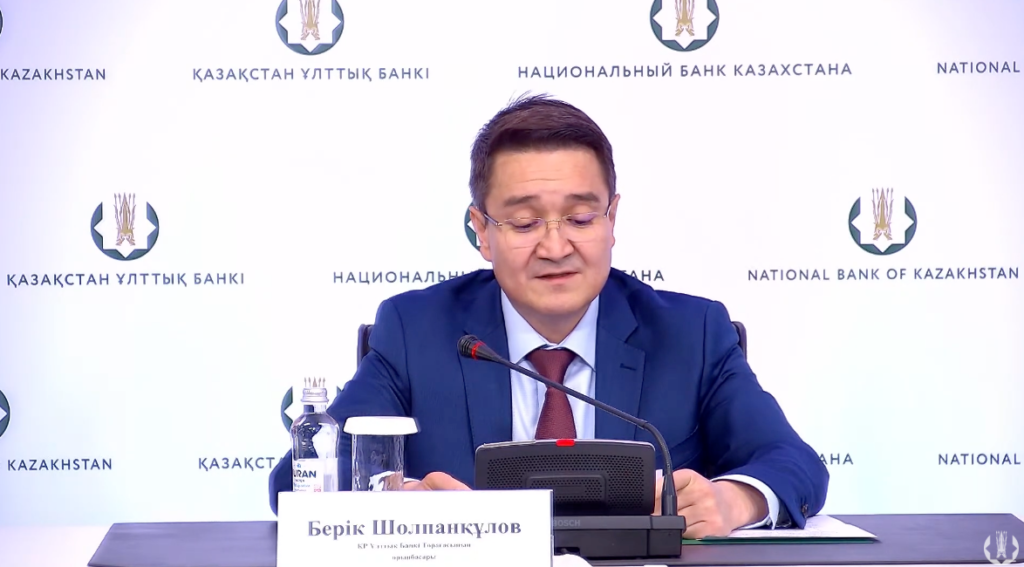
He noted that once the regulatory framework is in place, the digital tenge will circulate as a recognised payment method and provide a foundation for fintech companies to build solutions without depending on traditional banks.
Two-Tier System of Currency
Talgat Dossanov, founder of the Intebix exchange which issues Evo with support from Eurasian Bank, echoed these sentiments. He described the arrangement as a “two-tier system” where the digital tenge strengthens monetary policy and national financial sovereignty, while Evo accelerates integration into global markets.
According to Dossanov, Evo also offers practical benefits such as cross-border payments and attracting international projects. He added that for Kazakhstan, a CBDC remains essential for ensuring the independence of its payment infrastructure, especially in comparison to other countries that rely on foreign stablecoins.
Building a Crypto Hub in Central Asia
Kazakhstan’s adoption of both CBDC and stablecoin reflects its wider ambition to lead the region’s crypto market. The country has pioneered regulatory fee payments using stablecoins such as USDt, launched one of Central Asia’s first spot Bitcoin funds, and is exploring the creation of a state-backed crypto reserve.
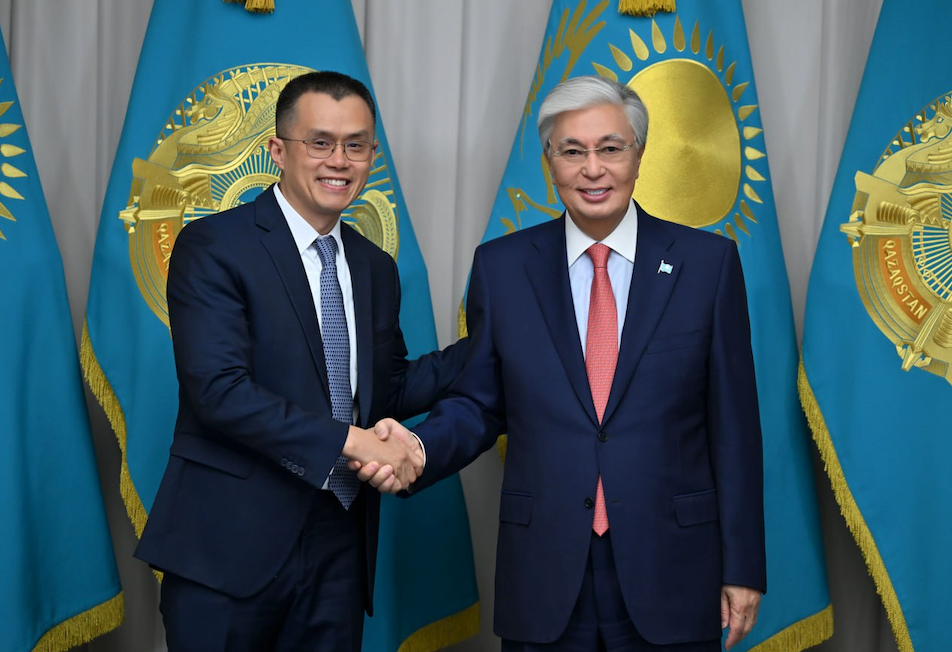
The government maintains strong ties with major exchanges including Binance, recently approving a fund with exposure to BNB. In September, National Bank chairman Timur Suleimenov met former Binance chief executive Changpeng Zhao to discuss the launch of a KZTx stablecoin, tokenisation projects, and innovation programmes in Alatau City.
On the same day, Telegram co-founder Pavel Durov met President Kassym-Jomart Tokayev at the Digital Bridge 2025 forum to announce plans for an AI research lab in Astana. Tokayev also held talks with Zhao, reaffirming Kazakhstan’s role in shaping the global crypto industry.
Leave a Reply