Neo Blockchain has officially partnered with AIOZ Network in a strategic move aimed at enhancing the development landscape for decentralized applications (DApps). This collaboration is centred on integrating AIOZ’s DePIN services with the Neo ecosystem, offering a comprehensive suite of decentralized tools to empower developers and improve the overall infrastructure of the Neo blockchain.
AIOZ: Powering the DePIN Revolution
AIOZ Network stands at the forefront of DePIN innovation, offering a broad spectrum of decentralized infrastructure services, including video streaming, AI computation, and storage. As a DePIN platform, AIOZ leverages distributed resources to create scalable and secure services that bypass traditional centralised models.
With this partnership, AIOZ becomes a DePIN solution provider for Neo Blockchain, allowing the latter’s community to access next-gen Web3 tools easily. The integration primarily supports developers building on Neo’s EVM-compatible sidechain, Neo X, and the Neo N3 blockchain.
Integration with Neo: Streamlining DApp Development
The collaboration enables seamless access to AIOZ’s decentralized infrastructure directly within the Neo ecosystem. As announced via X (formerly Twitter), AIOZ’s entire DePIN stack is now integrated with Neo’s architecture, simplifying the development and deployment of decentralized applications.
Neo developers now benefit from the following AIOZ-powered features:
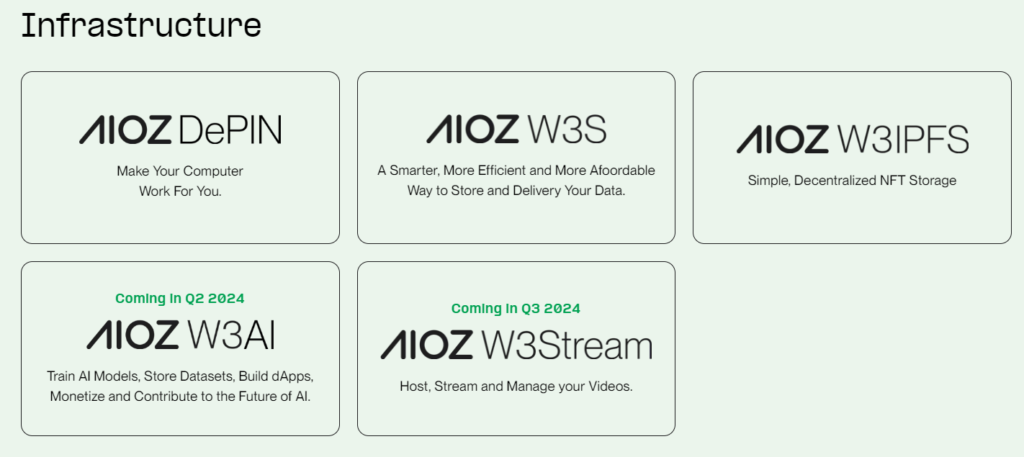
- IPFS Pinning with CDN: AIOZ’s pinning service enhances content delivery speeds and efficiency while reducing latency — a crucial advantage for media-heavy applications.
- AI Compute Tools: Developers can utilise AIOZ’s DePIN-driven compute layer to create AI-driven DApps with access to decentralised data repositories and interactive models.
- Decentralised Media Stack: AIOZ offers tools for streaming, hosting, and sharing video and audio content in a peer-to-peer environment.
- Storage Solutions: AIOZ’s decentralised storage infrastructure ensures reliable and scalable data handling for DApps, eliminating reliance on traditional cloud storage.
To support early adoption, AIOZ will provide credit packages to select projects on the Neo network, allowing teams to explore, test, and implement DePIN services without upfront costs. This initiative significantly lowers the entry barrier for developers seeking to harness the benefits of decentralised infrastructure.
DePIN: Transforming the Future of Blockchain
DePIN represents a growing trend in the blockchain space, offering enhanced user control, security, and data privacy. By decentralising infrastructure components such as computing and storage, DePIN removes the need for centralised service providers, leading to more resilient and open systems.
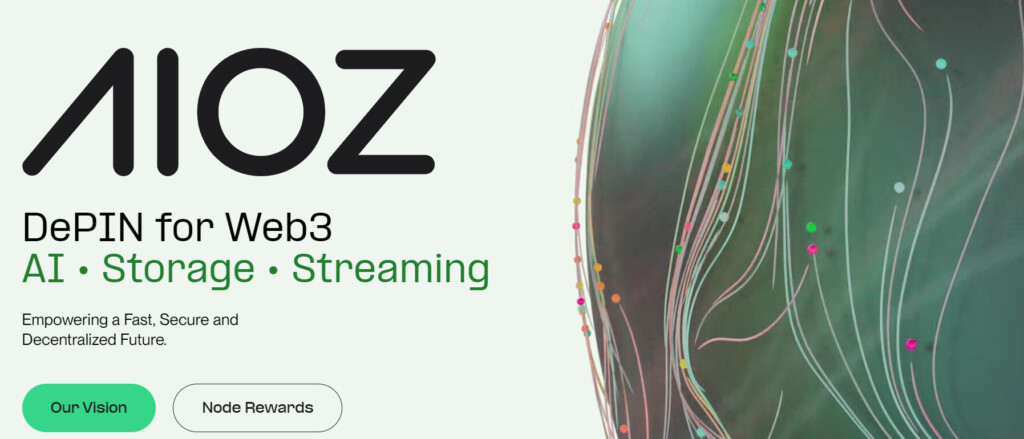
For Neo, incorporating DePIN is a strategic move aligned with its mission to foster a smart economy and support a more inclusive and robust Web3 development environment. The network is focused on building scalable infrastructures and enabling real-world DApp use cases through collaborations like this.
The integration with AIOZ adds depth to Neo’s tech stack, helping developers build high-performance applications that can operate independently of legacy infrastructure. It also aligns with the broader Web3 narrative of user empowerment, decentralisation, and monetisation of data.
A Shared Vision for Web3 Empowerment
This partnership underscores a shared commitment between Neo and AIOZ to cultivate a more scalable, accessible, and user-centric internet. By merging blockchain’s core principles with real-world utility, the two platforms aim to unlock new economic opportunities within the DePIN space.
Together, they are helping to redefine how infrastructure is built, accessed, and monetised in the digital age. From storage and media to AI and computation, the Neo-AIOZ alliance is laying down the foundation for a decentralised internet where developers and users are truly in control.
As blockchain adoption grows and the need for reliable, decentralised solutions increases, collaborations like this will play a critical role in shaping the next chapter of Web3.
Leave a Reply