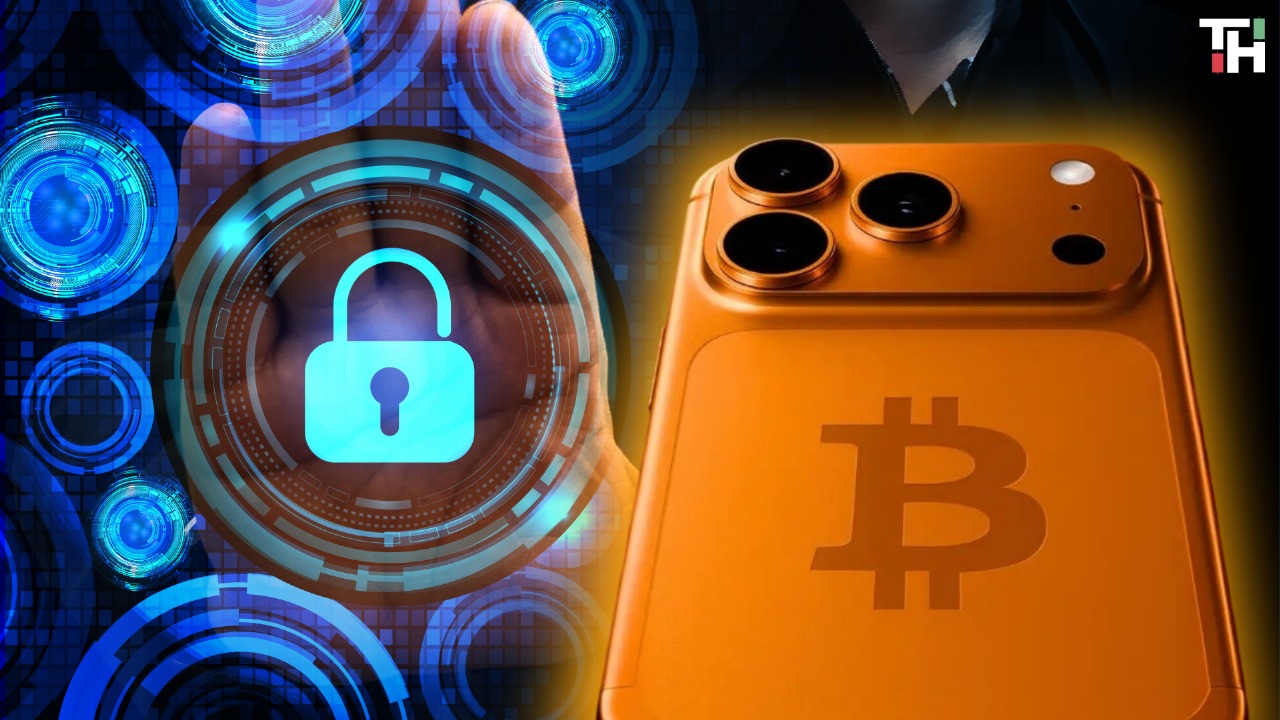
Apple’s newly launched iPhone 17 is making headlines for its promise of stronger defences against zero-day exploits, a development with particular relevance for crypto users. With blockchain security increasingly under threat from sophisticated attacks, Apple’s new hardware-level protection could be a meaningful improvement. But while the upgrade is a step forward, it does not eliminate the risks that continue to plague digital asset holders.
Memory Integrity Enforcement: Apple’s Big Move
At the heart of the iPhone 17’s security push is a new feature called Memory Integrity Enforcement (MIE). The system uses a tagging process similar to Enhanced Memory Tagging Extension (EMTE) to block common exploit patterns, such as out-of-bounds access and use-after-free errors.
These flaws are far from trivial. Cybersecurity firm Hacken estimates that memory-corruption vulnerabilities account for nearly 70% of software flaws exploited in zero-day attacks. By preventing these attack chains at the hardware level, Apple is raising the bar for spyware and exploit developers.
For crypto users, especially those who sign transactions frequently through mobile wallets or Passkey integrations, the implications are significant. Hacken argues that MIE “meaningfully” reduces the risk of attackers hijacking signing operations. This matters for anyone holding digital assets, but particularly for high-net-worth individuals who are often prime targets.
A Welcome Boost for Wallets and Passkeys
The crypto community has long been wary of mobile devices as points of vulnerability. Signing approvals and in-wallet transactions are especially sensitive, as a single compromised action can lead to complete asset loss.
With iPhone 17, Apple is promising that MIE will always be active across both kernel and user-level processes. That means attacks which traditionally relied on corrupting memory within an app’s process will now face much greater resistance.
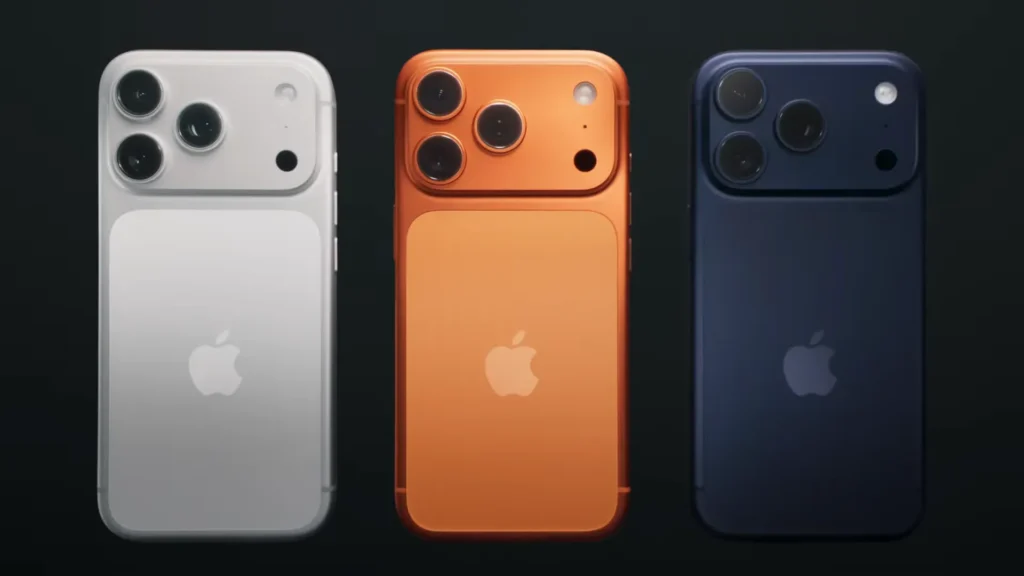
Hacken points out that this makes spyware development “much harder and more expensive,” which directly benefits crypto wallet apps and Passkey-based flows. In other words, attackers will need far more resources and skill to target Apple’s newest devices, which should deter opportunistic exploit campaigns.
Why iPhone 17 Is Not the End of the Story
Despite the excitement, it would be reckless to view iPhone 17 as a fortress. As Hacken itself warns, MIE is not a silver bullet. It does not protect against phishing attempts, malicious websites, compromised apps, or social engineering, all of which remain major threats for crypto users.
History provides sobering reminders. Last year, Trust Wallet urged users to disable iMessage after intelligence surfaced of a high-risk zero-day exploit. Earlier this year, Kaspersky warned of malicious software development kits in both Apple’s App Store and Google’s Play Store that scanned photo galleries for recovery phrases. Just last month, a zero-click vulnerability allowed attackers to compromise Apple devices without user interaction at all.
These incidents underline the reality: technical improvements reduce risk, but they cannot eliminate it. Crypto users remain one careless click away from compromise, and no amount of hardware protection changes that.
Opinion: Good Progress, But Self-Custody Still Demands Discipline
Apple deserves credit for tackling one of the most persistent security weaknesses with iPhone 17’s Memory Integrity Enforcement. For crypto users, this translates into stronger protection for critical operations like wallet transactions and Passkey sign-ins. The move shows Apple recognises that its devices are becoming central to financial activity in a decentralised world.
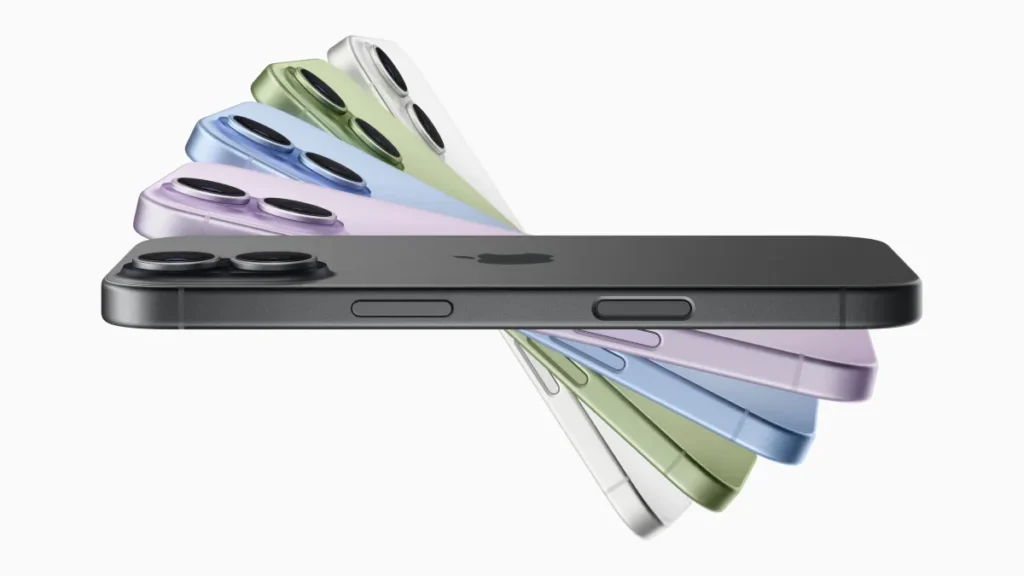
Yet the upgrade should be seen as one layer in a much larger defence strategy. No device is invulnerable. Relying solely on a smartphone, even one with hardware-level protections, is risky when high-value crypto assets are at stake. Hardware wallets remain essential and user discipline from avoiding suspicious links to securing seed phrases remains irreplaceable.
The lesson here is simple: iPhone 17 makes life harder for attackers, but it does not make your crypto unstealable. In a landscape where threats are constantly evolving, vigilance and layered security remain the best defence.
Looking Forward
The integration of advanced protections in mainstream consumer devices like the iPhone is a positive sign for crypto adoption. It shows that large tech companies are beginning to adapt to the needs of digital asset holders, not just casual users.
If Apple continues on this path, combining usability with cutting-edge security, iPhones could increasingly become trusted devices for managing everyday crypto activity. But even then, seasoned investors should remember that technology only goes so far. In the end, the responsibility for safeguarding digital wealth still lies with the user.