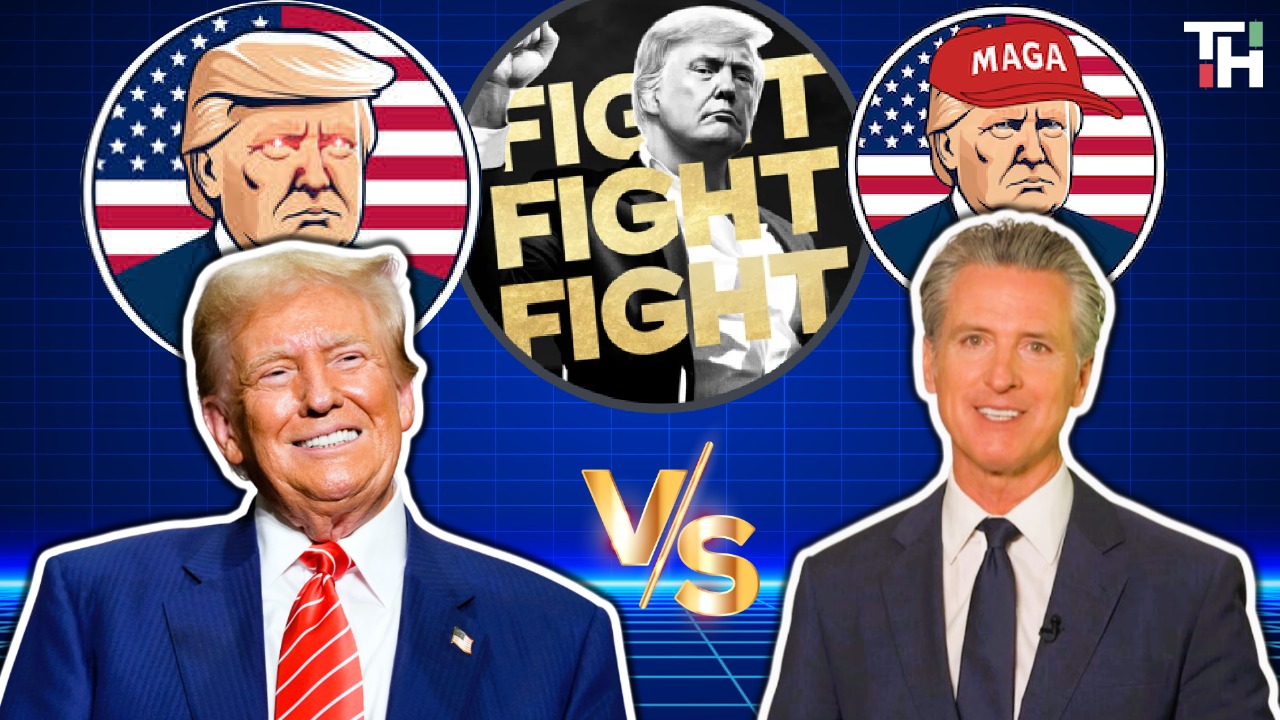
Political memecoins are the latest and strangest intersection of cryptocurrency, politics and internet culture. In 2025, they have shifted from niche curiosities into mainstream talking points, riding on narratives that often blur the lines between satire, fandom and speculation. Now, California Governor Gavin Newsom is signalling that he won’t let Donald Trump dominate this unusual frontier without a fight. His floated idea of a parody “Trump Corruption Coin” puts California’s political establishment directly into a debate that is part financial oversight, part digital theatre.
This clash is not merely about coins or contracts, it is about narratives, compliance, and power in a space where online virality can move markets faster than any policy memo.
Trump’s Crypto Playbook: Memes, Markets and Mayhem
Donald Trump’s political relationship with crypto has never been straightforward. In the past, he dismissed Bitcoin as a scam. By 2025, however, Trump has turned blockchain culture into a campaign marketing tool, helping fuel a new wave of politically charged tokens.
Three milestones stand out.
First came the TRUMP token on Solana, launched just before the 2025 inauguration. With branding perks like VIP dinners and merchandise offers, it became both a fundraising gimmick and a cultural statement. Its rapid climb to multibillion-dollar valuations underscored how speculation and political fandom can reinforce each other, but it also brought extreme volatility.
Second was the DJT token saga of 2024, when rumours of Trump family backing propelled a Solana memecoin to dizzying heights before it collapsed amid denials and the absence of any onchain proof. The DJT episode remains a cautionary tale about how speculation on “official ties” can fuel bubbles without substance.
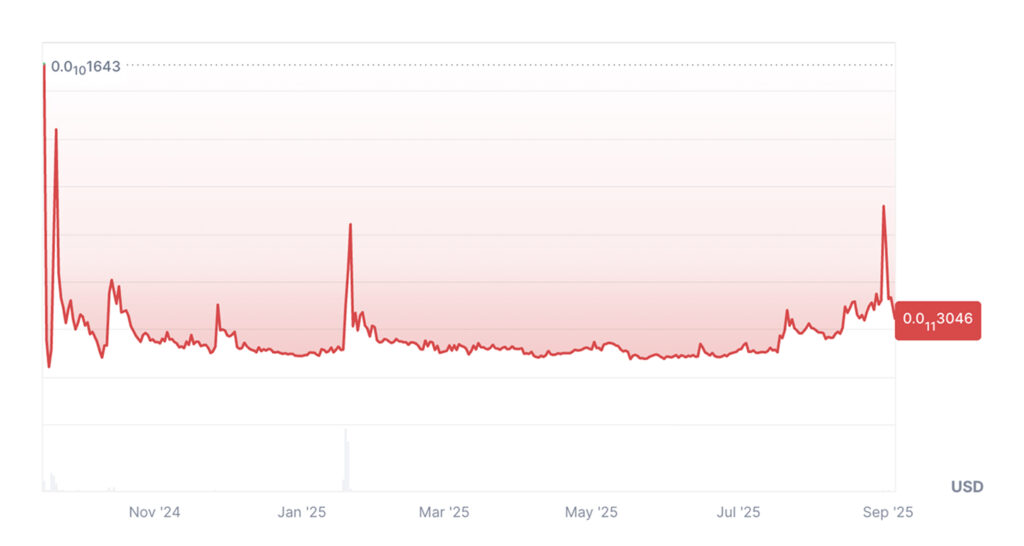
Finally, there is World Liberty Financial’s WLFI, launched in September 2025. Heavy early trading, fluctuating prices and reports of family-linked holdings gave it momentum, but also fresh controversy about transparency and distribution.
Together, these projects illustrate Trump’s mastery of meme-driven politics, where the market acts as both a stage and an amplifier. Yet they also reveal a fragility: without clear verification, any rumour can trigger surges or crashes within hours.
California’s Weapon: Regulation and Satire
California, home to Silicon Valley and a global hub for both tech and finance, is not sitting quietly as political memecoins boom. Through the Digital Financial Assets Law (DFAL) passed via Assembly Bill 39 and Senate Bill 401, the state has positioned itself as one of the toughest regulators of digital assets in the United States.
DFAL establishes a licensing framework for firms providing exchange, transfer, or custodial services to Californians. Although the compliance deadline was extended to July 2026, enforcement has already begun. On 25 June 2025, the Department of Financial Protection and Innovation (DFPI) issued its first DFAL action, fining Coinme $300,000 and ordering restitution. The message was clear: companies cannot ignore California rules, even if federal oversight remains murky.
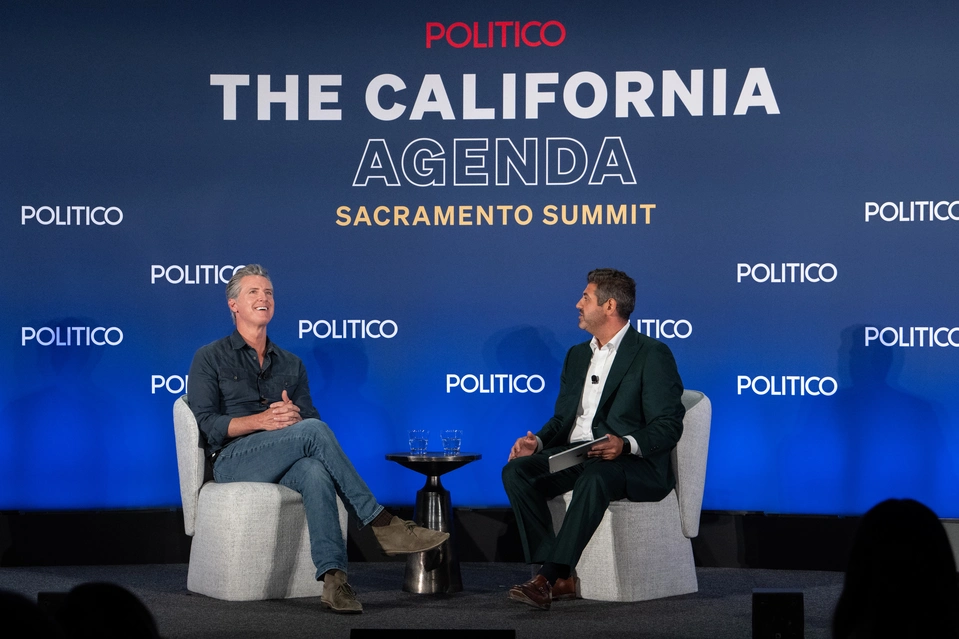
This backdrop explains why Newsom’s comments about a “Trump Corruption Coin” struck a chord. Speaking at Politico’s Sacramento Summit in August, Newsom teased the idea of a satirical token aimed at parodying Trump’s embrace of crypto. While he clarified that no contract, chain, or launch was in the works, the symbolism was deliberate: California would meet Trump not just in courtrooms or campaign rallies, but in the very meme-laden crypto spaces he has tried to colonise.
It is part humour, part political statement and entirely aligned with Newsom’s broader strategy of positioning himself as a foil to Trump’s populist politics.
Traders Beware: Narrative First, Value Later
Beyond the politics, there is a practical lesson for traders. Political tokens are story-driven assets before anything else. They lack the fundamentals of established cryptocurrencies, relying instead on headlines, rumours and community hype.
A cautious framework for evaluating them includes four pillars:
- Authenticity – Always check for verifiable ties, such as signed wallets or campaign statements. The DJT token fiasco showed how costly trading on rumours can be.
- Contract and Liquidity Controls – Determine whether ownership has been renounced, liquidity locked, or multisig safeguards exist. These checks are standard in audits but often skipped by retail traders chasing hype.
- Market Structure – Assess where the token trades and how liquid it is. Shallow decentralised pools are especially prone to manipulation.
- Branding and Impersonation – Political figures attract countless lookalike coins. Even the so-called “official” TRUMP token remains a marketing vehicle rather than a transparent, utility-based asset.
For traders, the volatility of WLFI, TRUMP and the spectacular collapse of DJT are reminders that narrative-driven coins can be lucrative for early movers but devastating for those caught in reversals.
Why This Fight Matters
At first glance, the duel between Trump’s MAGA memecoins and Newsom’s parody proposal looks like political theatre. Yet beneath the humour is a serious clash over legitimacy and oversight.
Trump and his allies see crypto as fertile ground for branding, fundraising and community mobilisation. His tokens are less about financial innovation than about rallying supporters and amplifying his presence online.
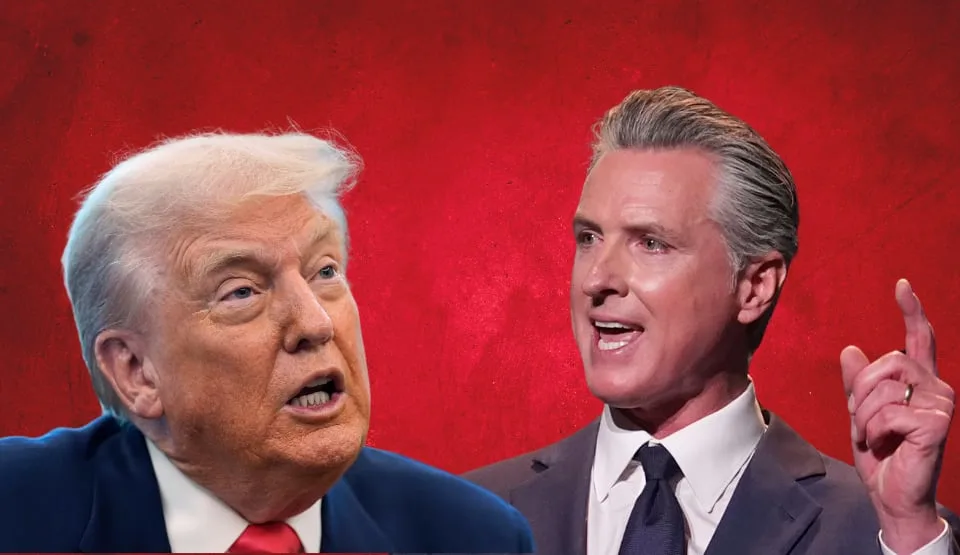
Newsom, in contrast, is betting that satire combined with regulatory muscle can puncture the hype. By joking about a “Trump Corruption Coin” while California regulators ramp up enforcement, he is drawing a line: political memecoins will not operate outside scrutiny, at least not in the country’s largest state economy.
The outcome could shape how political figures use crypto in campaigns going forward. If California succeeds in applying DFAL to meme tokens, platforms like Pump.fun or exchanges listing politically themed assets may face stricter disclosure and licensing obligations. That, in turn, could cool some of the speculative frenzy or at least make it more transparent.
A Battle of Narratives, Not Numbers
In the end, political memecoins are less about financial fundamentals than about the battle for attention. Trump has harnessed crypto’s meme culture to extend his political brand. Newsom, rather than ignoring the spectacle, has chosen to enter the arena with satire and state-backed compliance.
For traders, the lesson is blunt: do not confuse narrative with endorsement, or branding with value. Verify claims through onchain evidence, scrutinise contracts, and assume volatility is the rule, not the exception.
As the 2026 compliance deadline for DFAL approaches, California is poised to play an outsized role in shaping the future of political tokens. Whether Newsom’s “Trump Corruption Coin” remains a punchline or becomes a broader regulatory warning shot, one thing is clear: political memecoins will remain volatile, headline-driven and risky territory.
And in this theatre of speculation and satire, the true coin of the realm is not Solana or Ethereum, but narrative itself.