The New Face of Finance
Walk into any financial conference today and you will hear one word whispered almost reverently tokenization. The idea is deceptively simple. Take a physical asset like real estate, gold or company shares and represent it digitally on a blockchain. Suddenly the barriers that kept everyday investors out of high-value markets seem to dissolve. You no longer need to be a millionaire to own a piece of Manhattan real estate or buy into an exclusive private equity fund. All you need is an internet connection and a digital wallet.
This is why banks from BlackRock to JPMorgan are experimenting with tokenized platforms. Analysts predict that tokenized assets could become a multi-trillion dollar industry within the next decade. It feels like a revolution. Yet as with every revolution, there is both promise and peril.
A Gateway to Financial Inclusion
For years one of the biggest criticisms of global finance has been its exclusivity. High-value assets such as commercial property or private equity were accessible only to the wealthy. Tokenization appears to change that. By splitting an asset into thousands of digital tokens, fractional ownership becomes possible. A college student in Delhi could hold a fraction of a New York skyscraper. A farmer in Kenya could invest in tokenized government bonds with just a few dollars.
This democratization is powerful. It creates liquidity where none existed before. Assets that were traditionally illiquid such as art or farmland can suddenly be traded instantly on digital platforms. Tokenization also cuts out layers of middlemen. Transactions can settle faster and at lower cost. In theory, this means higher returns for investors and more efficient capital markets.
The narrative is seductive. Supporters argue that just as mobile money transformed payments in developing economies, tokenization could transform investment access. It may finally bridge the gap between small investors and the wealth-building opportunities long reserved for institutions.
The Regulatory Minefield
But beneath this utopian vision lies a thorny set of regulatory questions. Who ensures that a token truly represents the asset it claims to? If a tokenized property platform goes bankrupt, do token holders still have rights to the underlying real estate? How are these digital securities taxed and under which jurisdiction do they fall?
The European Securities and Markets Authority recently warned that tokenized stocks risk misleading retail investors. A share token may look like a real stock but it might not carry the same protections. In the United States the Securities and Exchange Commission has cracked down on several tokenized offerings that it considers unregistered securities. The lack of global coordination means rules differ sharply between regions. An asset that is legal to trade in Singapore may be prohibited in Germany.
This patchwork of oversight creates uncertainty. It is difficult for institutions to commit billions when the legal foundation remains shaky. At the same time too much regulation could smother innovation before it flourishes. The balance is delicate and so far regulators appear to be playing catch-up rather than leading.
The Illusion of Accessibility
Even if regulatory hurdles are solved, there is a deeper philosophical question. Does tokenization really democratize finance or does it simply create the illusion of access? Owning a digital fraction of a painting does not mean you can ever hang it in your living room. Holding a tokenized piece of farmland does not guarantee that you will share in crop yields unless the platform manages revenue distribution transparently.
Moreover liquidity can be a double-edged sword. While token markets promise instant trading, in practice many smaller tokens suffer from low demand. Selling your fraction of a tokenized skyscraper may be just as difficult as selling the building itself if no one wants to buy.
There is also the danger of speculative mania. Once assets are fractionalized and tradable like cryptocurrencies, they can attract short-term speculators rather than long-term investors. We have already seen how meme coins can skyrocket and crash within days. Imagine the same volatility applied to tokenized houses or company shares. That could destabilize real economies far beyond the digital sphere.
A Future Written in Code or in Law?
Where does this leave us? On one hand tokenization holds extraordinary promise. It could unlock trillions in dormant value, broaden investment opportunities and make capital markets truly global. On the other hand it could unleash systemic risks if left unchecked.
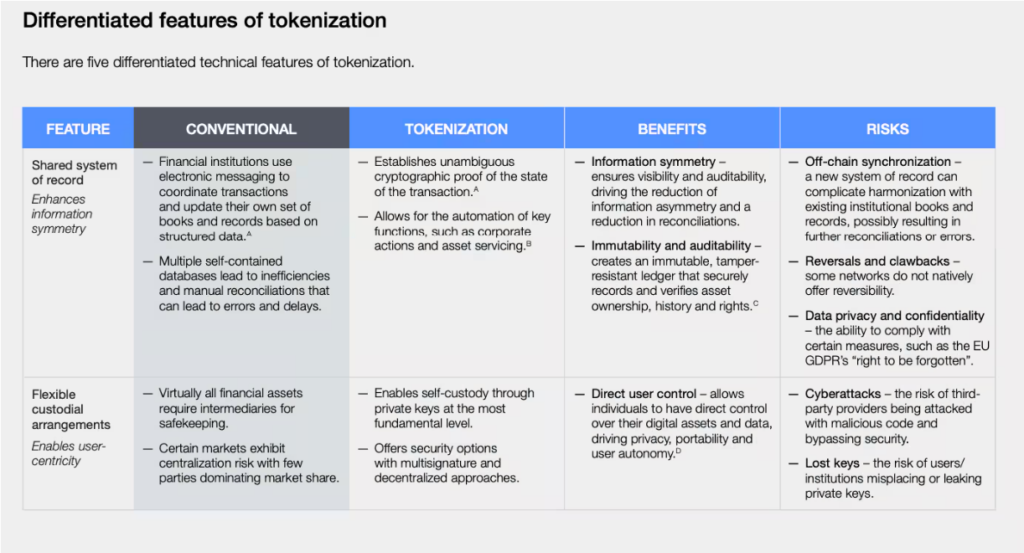
The future will likely depend on whether law can keep pace with code. For tokenization to succeed, investors must have confidence that digital tokens map securely to real assets. They must trust that courts will enforce their rights if disputes arise. Without that foundation tokenization risks becoming another speculative bubble, exciting for a few years but ultimately unsustainable.
Governments and financial institutions have a rare chance to shape the future responsibly. Rather than banning tokenization outright or letting it run wild, they can craft clear frameworks that encourage innovation while protecting investors. This means standardized disclosure rules, transparent custody arrangements and international cooperation to avoid jurisdictional loopholes.
Closing Thoughts
The story of tokenized real world assets is still being written. At its best it could democratize wealth creation and reduce the dominance of financial elites. At its worst it could trigger crises by blurring the lines between real and digital ownership.
For now investors would do well to approach tokenization with both curiosity and caution. There is no harm in exploring early opportunities but one should be wary of hype promising instant riches. Just as the dot-com boom created both Amazon and countless failures, the tokenization wave will produce both winners and disasters.
The question we must ask is simple yet profound. Are we building a bridge that finally connects the global majority to wealth creation or are we constructing a house of cards that may topple at the first gust of regulatory wind? The answer will determine not only the fate of tokenized finance but also the credibility of blockchain technology in the mainstream economy.