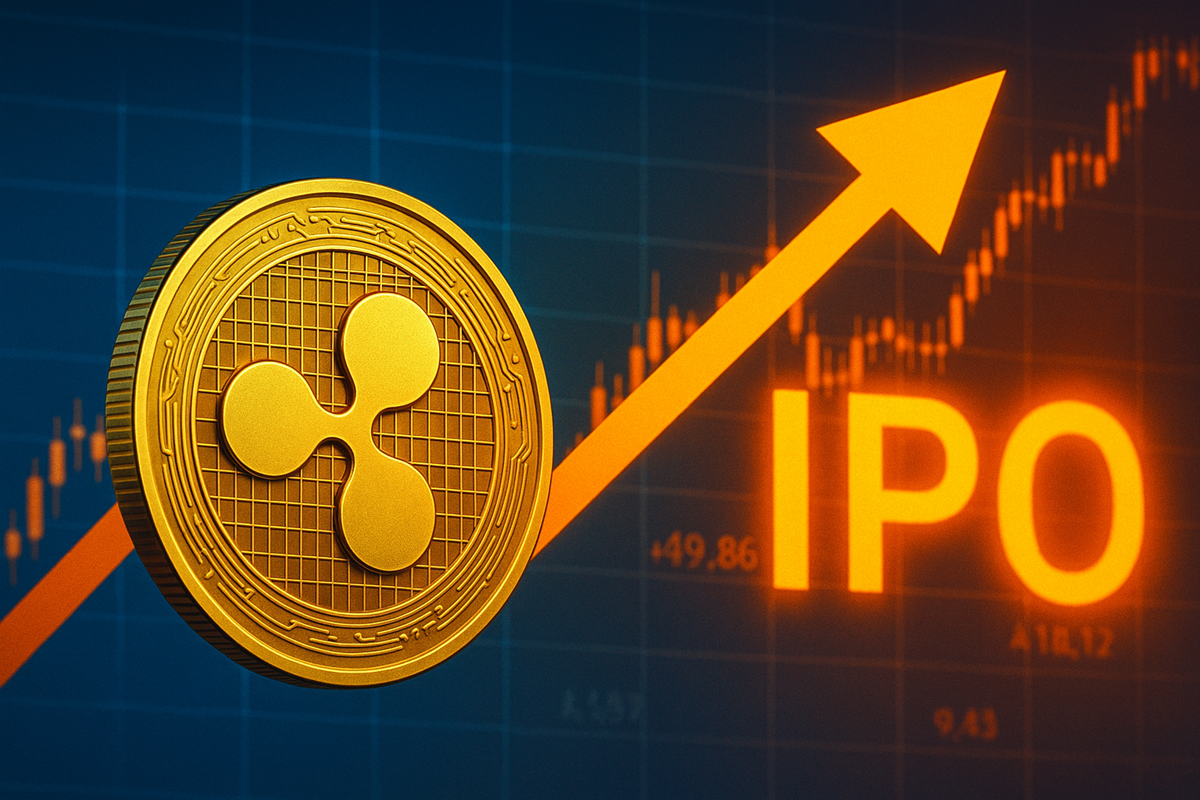
Ripple, the blockchain-based payment giant, has received a fresh boost of confidence as Southeast Asia’s top financial institution, DBS Bank, recently valued the company at $11.3 billion. This move comes ahead of Ripple’s much-anticipated Initial Public Offering (IPO), scheduled for 2026. The valuation not only reflects Ripple’s growing influence in the global financial sector but also highlights the increasing acceptance of blockchain technology among traditional banking institutions.
Ripple’s Strategic Rise and IPO Vision
Ripple has long been seen as a disruptor in the financial world, challenging legacy systems like SWIFT with its fast and low-cost cross-border payment solutions. With this new valuation, DBS Bank has placed a clear vote of confidence in Ripple’s business model and growth potential.
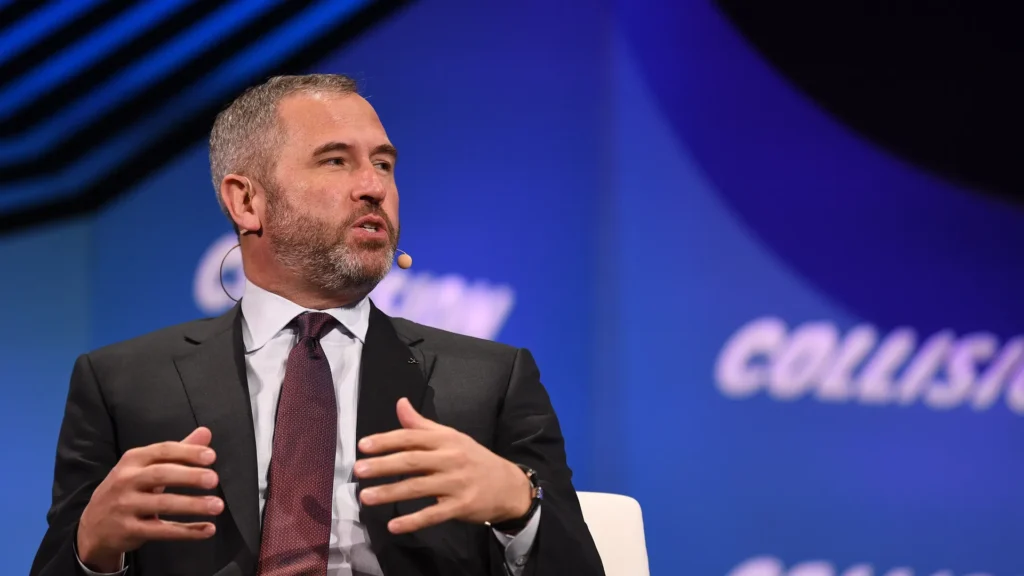
Back in March 2024, Ripple’s CEO Brad Garlinghouse publicly confirmed the company’s plan to go public in 2026. This announcement came shortly after a surge in institutional interest in Ripple and its native cryptocurrency, XRP, especially during a tender in January 2024 to purchase large volumes of XRP. These developments indicate that Ripple is taking strategic steps to strengthen its market presence and investor appeal ahead of the IPO.
Institutional Confidence is Growing
The involvement of DBS Bank is significant. As one of Southeast Asia’s largest banks, its support for Ripple showcases how traditional finance is gradually embracing blockchain. DBS’s valuation not only sets a benchmark for Ripple’s current worth but also hints at future possibilities as Ripple expands its footprint.
Furthermore, Ripple’s partnerships with global institutions and financial service providers are helping the company gain momentum. The firm is no longer just a crypto startup, it is rapidly positioning itself as a mainstream fintech player. With DBS now in the picture, more banks and investors may follow suit, paving the way for stronger institutional adoption.
Blockchain’s Disruptive Potential
Ripple’s technology offers a serious challenge to outdated cross-border payment infrastructures. A 2021 study by the Bank for International Settlements (BIS) found that blockchain can reduce transaction costs by up to 30%. Ripple’s adoption in Southeast Asia, especially with the support of DBS, highlights this cost-effectiveness and efficiency.
By using Ripple’s blockchain solutions, banks can settle international transactions faster, cheaper, and more securely. This is crucial for regions like Southeast Asia, where remittances and trade play a vital role in the economy. As more banks and businesses turn to blockchain for financial operations, Ripple’s relevance and usage will likely continue to grow.
A Glimpse Into the Future of Finance
The road to Ripple’s IPO in 2026 looks promising. Its $11.3 billion valuation is not just a number, it’s a symbol of the shifting tides in finance, where digital solutions are merging with traditional practices. The potential IPO will likely attract global investors looking to be part of this evolution.
Ripple’s growing influence signals a broader transformation in the financial world. As blockchain becomes a key part of financial infrastructure, institutions like DBS are playing a crucial role in bringing these technologies into the mainstream. The future may see traditional banking systems blending seamlessly with blockchain, creating a faster, cheaper, and more inclusive financial ecosystem.
Ripple’s valuation by DBS Bank sets the stage for a major shakeup in how we understand finance. The $11.3 billion figure is a strong indication that blockchain is no longer just a buzzword, it’s a tool that banks, investors, and global institutions are beginning to trust.
With its IPO planned for 2026, Ripple is emerging as a frontrunner in the blockchain space. As more institutions get on board and technology continues to evolve, Ripple’s journey could mark a turning point for both crypto and traditional finance alike.
Leave a Reply