The U.S. Securities and Exchange Commission (SEC) is adopting a transformative approach to crypto regulation, emphasizing rulemaking through “notice and comment” rather than enforcement-driven tactics. Under the leadership of Chair Paul Atkins, this strategic pivot aims to establish a transparent and inclusive framework for the cryptocurrency industry while fostering innovation and investor protection.
A Shift Away from Regulation by Enforcement
Chair Paul Atkins outlined this regulatory strategy in his remarks to the Senate Appropriations Subcommittee on Financial Services. He emphasized that the SEC’s crypto policies would no longer be shaped predominantly through lawsuits or legal settlements, a method that had drawn criticism during former SEC Chair Gary Gensler’s tenure. Instead, Atkins pledged to adhere to Congress’s original intent: using enforcement actions to address violations such as fraud and market manipulation.
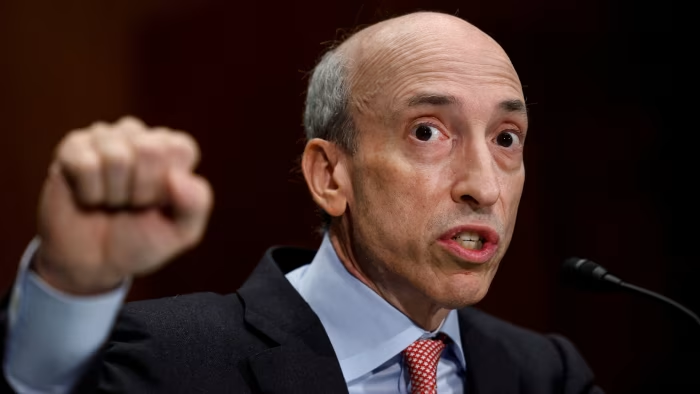
Atkins assured lawmakers that the commission would focus on “clear rules of the road” for the issuance, custody, and trading of crypto assets. Such clarity, he argued, is essential to safeguarding investors from fraud while promoting trust and compliance within the industry.
Creating a Rational Regulatory Framework
A rational and comprehensive regulatory framework for cryptocurrencies is a cornerstone of Atkins’ vision for the SEC. The agency’s newly formed Crypto Task Force, launched earlier this year, is actively developing fit-for-purpose standards for the crypto industry. These regulations aim to balance innovation with accountability, ensuring that crypto businesses can thrive while adhering to robust legal standards.

When questioned about the potential for crypto exchanges to handle both digital tokens and traditional securities, Atkins refrained from providing a direct endorsement. Instead, he highlighted the ongoing efforts of the Crypto Task Force to craft thoughtful and effective guidelines for market participants.
Integrating Innovation Across the SEC
In a notable move, Atkins proposed disbanding the SEC’s Strategic Hub for Innovation and Financial Technology (FinHub), established in 2018 to address fintech-related matters. He argued that innovation should be a core value ingrained throughout the SEC rather than confined to a specific office. This integration, Atkins believes, will enable the SEC to adapt more effectively to the rapidly evolving digital asset landscape.
Additionally, the SEC has taken steps to provide clearer guidance on crypto activities, such as staking, ensuring participants understand how federal securities laws apply to their operations. The agency’s recent dismissal of long-standing enforcement actions against crypto firms further signals a shift toward collaboration and constructive engagement with the industry.
Looking Ahead: The Crypto Task Force’s Role
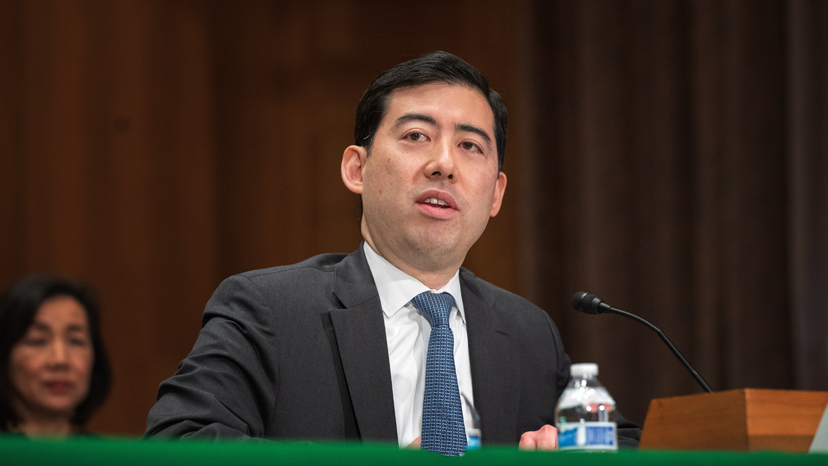
The Crypto Task Force, spearheaded by acting SEC Chair Mark Uyeda earlier this year, is at the heart of the SEC’s revamped approach. The task force is expected to release its first report in the coming months, outlining actionable steps to establish a regulatory framework that encourages innovation while maintaining investor protection.
By moving away from enforcement-heavy practices, Atkins aims to position the SEC as a proactive and adaptive regulator. The emphasis on “notice and comment” rulemaking aligns with the broader goal of fostering an inclusive and predictable environment for crypto market participants.
The SEC’s shift under Paul Atkins marks a significant evolution in the regulatory landscape for cryptocurrencies in the U.S. With a focus on clear guidelines, innovation-driven policies, and collaborative engagement, the agency seeks to strike a balance between safeguarding investors and nurturing the growth of the crypto sector. This approach promises to reshape the relationship between regulators and the digital asset industry, paving the way for a more transparent and dynamic regulatory framework.
Leave a Reply