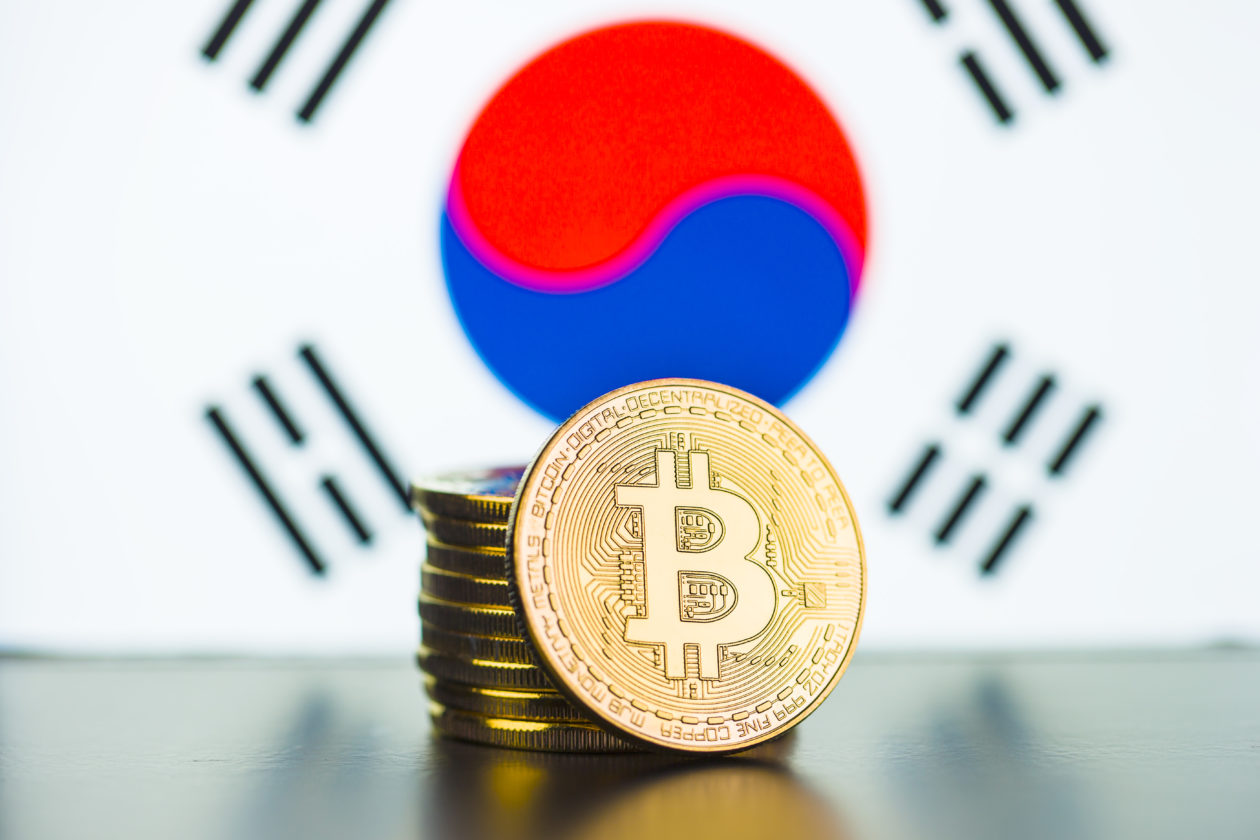
In a bold regulatory move, South Korea has requested Google to restrict access to 17 overseas crypto platforms operating without proper registration. This action underscores the country’s aggressive stance against crypto-related fraud, money laundering, and illegal trading.
Google Complies with South Korea’s Crackdown
Starting March 25, 2025, users in South Korea will be unable to install or update apps of exchanges like KuCoin, MEXC, and Poloniex through the Google Play Store. This comes after the Financial Intelligence Unit (FIU) found these platforms to be functioning as unregistered Virtual Asset Service Providers (VASPs).
Google’s cooperation aligns with the Financial Services Commission’s (FSC) broader effort to enforce compliance and protect local users from unregulated crypto services.
Not South Korea’s First Rodeo
This isn’t the first instance of South Korea targeting offshore platforms. Back in 2022, the FIU took similar action against 16 foreign exchanges, collaborating with domestic banks to restrict crypto on-off ramps.
South Korea has emerged as one of the toughest regulators in the global crypto landscape, even forcing leading domestic exchange Upbit to temporarily suspend certain services to remain compliant.
Global Trend or Isolated Case?
While South Korea is setting an example, other regions have not yet followed suit. India is the closest comparison, having blocked access to Binance, Kraken, and KuCoin in early 2024.
In contrast, the U.S. and the EU have chosen a different approach. The U.S., under former SEC Chair Gary Gensler, leaned on enforcement actions rather than app store restrictions. Meanwhile, the EU’s MiCA regulation is tightening the noose on anonymous transactions but hasn’t moved toward full-on bans.
What This Means for Crypto Users
The crackdown is a double-edged sword for South Korean users. While it aims to enhance consumer protection, it limits access to international crypto services, potentially pushing some users toward decentralised or grey-market alternatives.
For global exchanges, South Korea’s action is a stark warning: comply or get cut off. As regulation ramps up globally, crypto platforms will face increased pressure to register, report, and regulate—or risk being shut out of key markets.
As of now, South Korea stands firm at the frontline of crypto regulation, sending a message loud and clear: play by the rules or don’t play at all.
Leave a Reply