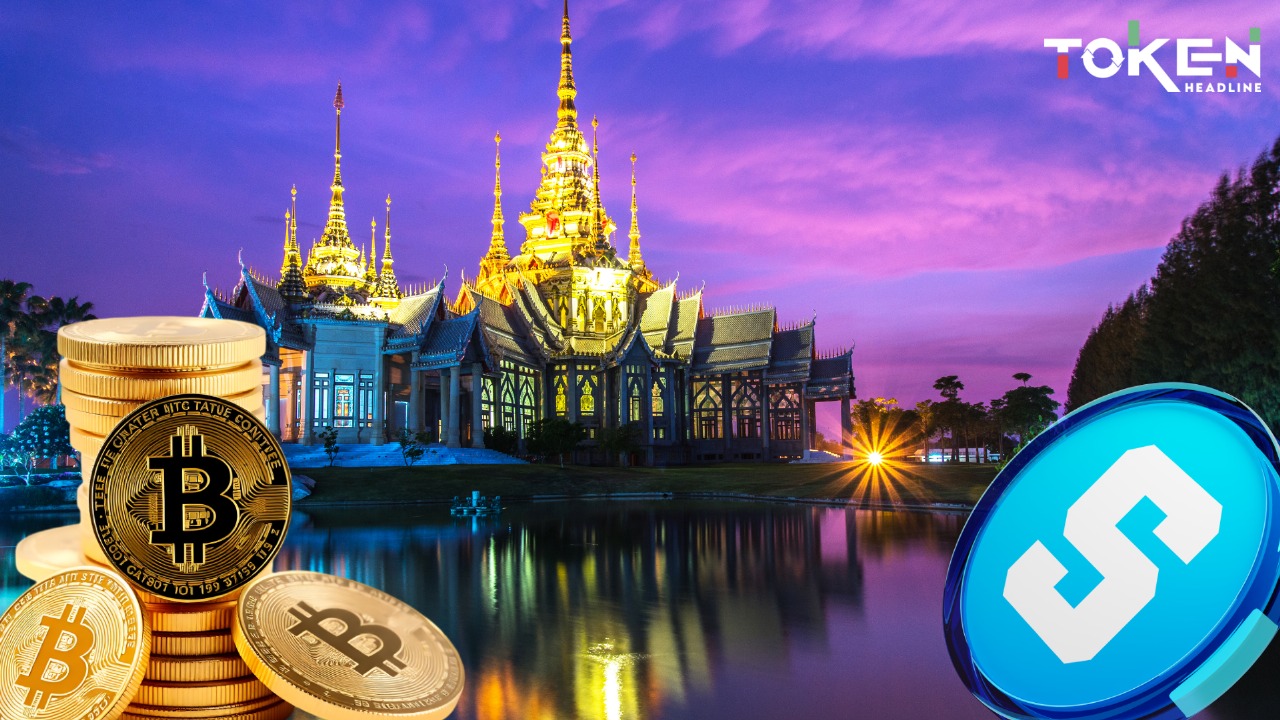
Thailand is preparing to launch a new initiative called TouristDigiPay, a scheme that will allow international visitors to convert cryptocurrencies into Thai baht and make digital payments while travelling across the country. The move reflects the government’s strategy to boost its slowing tourism industry and explore the role of digital assets in supporting economic growth.
A Crypto Sandbox for Tourists
Starting Monday, the TouristDigiPay programme will operate as a nationwide regulatory sandbox. Tourists visiting Thailand will be able to exchange their cryptocurrencies into local currency through authorised digital asset businesses and make payments via e-money service providers licensed by the Bank of Thailand and the Securities and Exchange Commission (SEC).

The service, however, will not be open to everyone. Only tourists in Thailand will be eligible, and they must undergo Know Your Customer (KYC) checks before opening an account. Monthly spending limits will be enforced, and direct cash withdrawals will be blocked to ensure controlled usage of the system.
Deputy Prime Minister and Finance Minister Pichai Chunhavajira is expected to release full details of the scheme this week.
Why Thailand is Turning to Crypto
Thailand’s tourism sector has long been a cornerstone of its economy, but the country is facing a decline in visitor numbers. In the first half of 2025, Thailand welcomed about 16.8 million tourists, compared with 17.7 million during the same period in 2024. The drop has been especially sharp among East Asian visitors, including a 34% fall in arrivals from China, historically one of Thailand’s largest markets.
A July report from the World Tourism Institute noted that tourists are choosing other regional destinations such as Japan, where the weak yen makes travel more affordable, and Vietnam, which offers cheaper alternatives. The report emphasised that Thailand’s 5% drop in tourist numbers highlights the need for diversification, repositioning, and innovation in visitor experience.
Officials believe introducing crypto-based payments could improve convenience for tech-savvy travellers and provide Thailand with a competitive edge in the region.
Thailand’s Crypto Experiments
The TouristDigiPay initiative is not Thailand’s first step into crypto-powered tourism. Earlier this year, the government announced a trial allowing foreign visitors to pay with cryptocurrencies in Phuket, one of the country’s most visited destinations. That project is still in development.
On 13 August, the SEC wrapped up a public consultation on how financial innovations and digital assets could be used to stimulate both the economy and the tourism industry. The feedback from that process has shaped the TouristDigiPay sandbox, which will act as a large-scale test before any permanent adoption.
A Global Trend of Crypto Payments in Tourist
Thailand’s efforts come as more countries and companies experiment with crypto in travel and hospitality. In Bhutan, Binance Pay partnered with DK Bank to allow tourists to pay with cryptocurrencies during their visits.
Elsewhere, Blue Origin, the space exploration company founded by Jeff Bezos, signed a deal with Shift4 Payments to accept Bitcoin, Ether, Solana, and stablecoins such as USDT and USDC for its commercial space flights.
Similarly, the United Arab Emirates reached an agreement with Crypto.com to let passengers use crypto for flight bookings and in-flight purchases.
These moves suggest that crypto payments are gradually becoming part of global tourism and leisure industries, aimed at offering flexibility and attracting a new generation of travellers.
For Thailand, the TouristDigiPay sandbox is both a tourism strategy and a test of how crypto can be integrated into mainstream financial systems. By setting safeguards such as spending limits and requiring KYC checks, the government hopes to strike a balance between innovation and regulatory oversight.
If successful, the scheme could help Thailand reverse its recent tourism slowdown and position itself as a leader in combining digital finance with travel. For now, all eyes will be on the official launch to see whether visitors embrace the idea of paying with crypto during their holidays.
Leave a Reply