
World Liberty Financial, a decentralized finance venture linked to the family of US President Donald Trump, has officially stepped into the crypto lending space, signaling renewed momentum in onchain credit markets. The company has launched a new lending and borrowing platform centered on its USD1 stablecoin, at a time when demand for crypto-backed loans is slowly rebounding after years of caution.
The move comes as clearer regulations and better risk controls are encouraging both users and builders to revisit decentralized lending, an area badly shaken by failures during the last market cycle.
World Liberty Markets Goes Live
The new platform, called World Liberty Markets, launched this week and allows users to borrow and lend digital assets within a single onchain marketplace. According to a Bloomberg report, the system is designed to function entirely on blockchain infrastructure, offering transparent and automated lending mechanics.
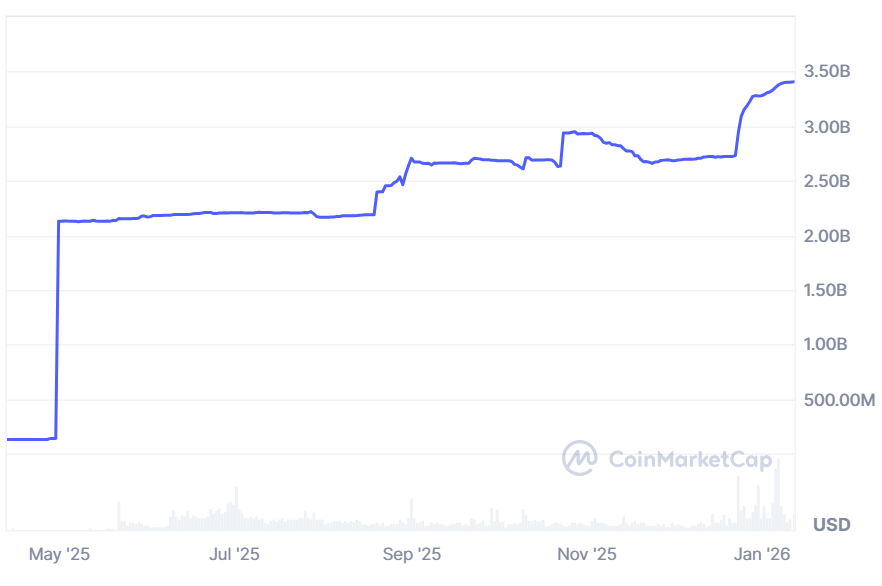
At the core of the platform is USD1, World Liberty’s US dollar-backed stablecoin. The platform also integrates WLFI, the project’s governance token, which plays a role in protocol decisions and incentives. By anchoring the system around a stablecoin, World Liberty aims to reduce volatility risks that often discourage long-term lending activity in crypto markets.
World Liberty co-founder Zak Folkman said the company views lending as a natural extension of USD1’s use case, especially as stablecoins gain wider acceptance for payments, settlements and treasury management.
Supported Assets and Collateral Options
Users on World Liberty Markets can post a range of digital assets as collateral. These include Ether, a tokenized version of Bitcoin, and major stablecoins such as USD Coin and Tether. The platform allows participants to earn yield by supplying assets, while borrowers can access liquidity without selling their holdings.
Folkman noted that the list of accepted collateral will expand over time. Future additions may include tokenized real-world assets, an area that has attracted growing interest from both traditional finance players and blockchain startups.
The company is also exploring partnerships with prediction markets, crypto exchanges and real estate platforms, suggesting a broader ambition to integrate lending services across multiple onchain and offchain sectors.
Regulatory Push and Bank Charter Plans
The lending launch follows World Liberty’s recent application for a national trust bank charter with the US Office of the Comptroller of the Currency. If approved, the charter would allow the company to operate under a clearer regulatory framework, potentially boosting confidence among institutional users.
World Liberty has said the charter would help support wider adoption of USD1, which is already being used in cross-border payments and internal treasury operations. Regulatory recognition could also differentiate the project from earlier crypto lenders that operated with limited oversight.
The timing reflects a broader shift in the US regulatory environment, where policymakers are beginning to provide more defined rules for stablecoins and digital asset services.
Crypto Lending Shows Signs of Revival
Interest in crypto borrowing and lending is gradually returning as digital assets become more integrated into mainstream finance. Investors are once again looking for ways to unlock liquidity without liquidating long-term holdings such as Bitcoin and Ether.
This renewed demand is unfolding against a backdrop of hard lessons from the past. High-profile collapses of centralized lenders like BlockFi and Celsius were driven by opaque balance sheets, poor risk management and aggressive leverage, rather than flaws in blockchain technology itself.
Many market participants now argue that decentralized models, with transparent smart contracts and onchain risk controls, offer a more resilient alternative. Combined with clearer regulations, these features could help prevent a repeat of earlier failures.
Growing Activity Across DeFi and Beyond
World Liberty is not alone in targeting the recovering lending sector. Centralized firms such as Nexo continue to offer crypto-backed loans, including zero-interest products that allow users to borrow against Bitcoin and Ether.
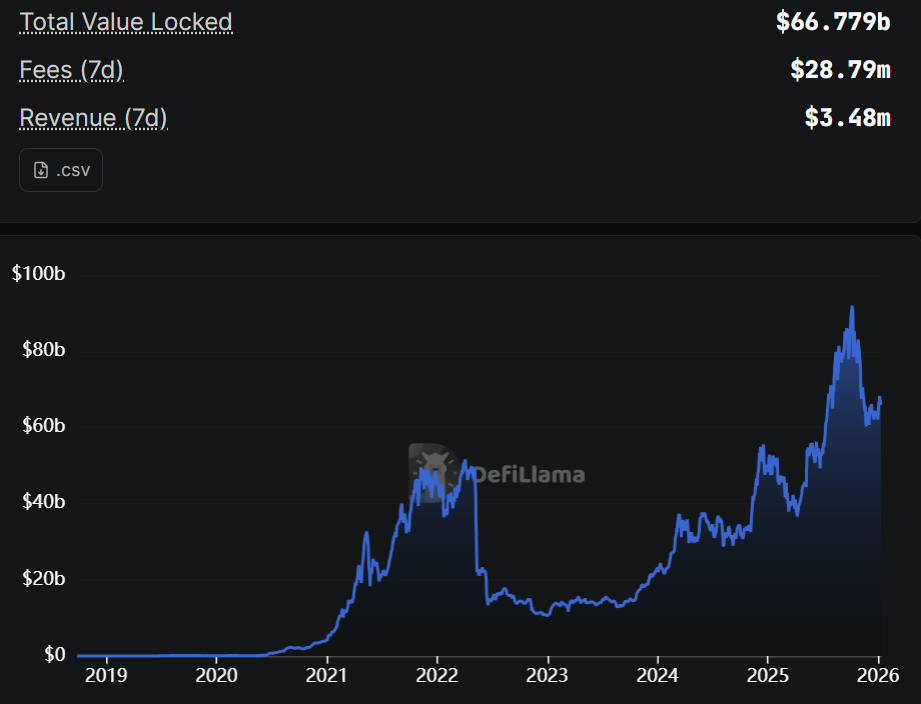
On the decentralized side, investment is flowing back into lending infrastructure. Bitcoin-focused project Babylon recently raised $15 million from a16z Crypto to expand its native lending framework. The funding highlights growing confidence in blockchain-based credit systems that operate without traditional intermediaries.
As lending activity picks up across both centralized and decentralized platforms, World Liberty’s entry adds another high-profile name to a sector cautiously rebuilding trust. Whether its Trump-linked branding and regulatory ambitions will translate into sustained adoption remains to be seen, but the launch underscores a clear trend. Crypto lending is no longer dormant, and stablecoin-driven platforms are leading its return.
Leave a Reply