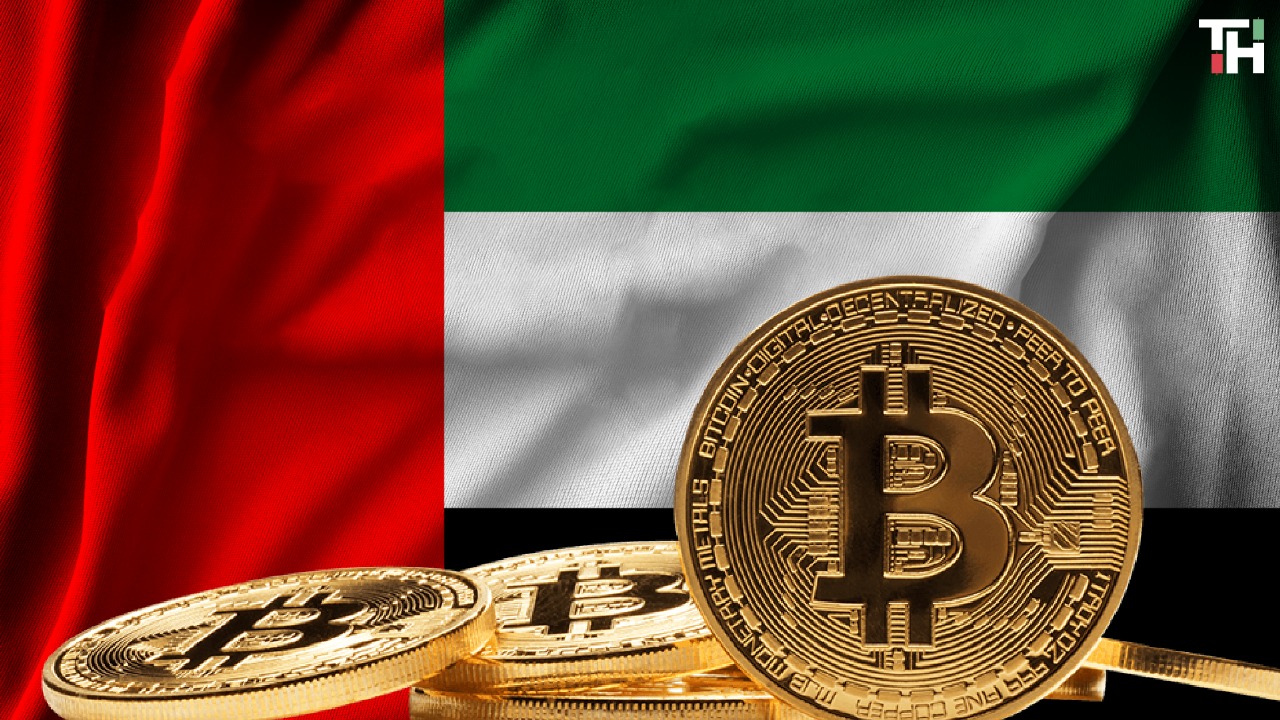
The Middle East has stepped firmly into the global crypto spotlight, with the United Arab Emirates (UAE) spearheading an economic and technological shift towards digital assets. A new report by blockchain infrastructure firm Mining Grid reveals that the UAE recorded a staggering $34 billion (AED124B) in crypto inflows between July 2023 and June 2024.
This 42% year-on-year growth marks a turning point for the region, moving from curiosity to commitment in the digital finance space. The Middle East overall received $338.7 billion in crypto inflows during the same period, cementing its position as the 7th largest crypto market globally. Significantly, 93% of that volume came from institutional-level transfers, signalling a maturing market driven by long-term strategy over short-term speculation.
UAE Youth Fueling the Crypto Surge
One of the standout drivers of the UAE’s crypto momentum is its tech-savvy youth. More than 74% of UAE residents aged 25–34 are actively engaged with crypto or plan to be soon. Around 21% of these young adults intend to start trading within the next 12 months.

The path to adoption has been highly social. Platforms like TikTok, WhatsApp, and YouTube are now key discovery tools for young investors. This socially connected generation is increasingly turning to digital assets not just for profits but also for financial independence.
Yet, challenges persist. Nearly half of young users report concerns about misinformation, underlining the urgent need for credible education and awareness in the region. Trusted platforms have an opportunity to take the lead in promoting responsible adoption.
Neighbouring Nations Join the Crypto Race
The UAE’s leadership is inspiring neighbouring countries across the Gulf Cooperation Council (GCC) to forge their own paths in the crypto economy. Saudi Arabia stands out with a remarkable 153% growth in crypto inflows and the highest youth crypto adoption rates in the region.
Meanwhile, Oman is carving a niche as a green crypto mining hub. With more than $1.1 billion invested in eco-friendly mining infrastructure, Oman aims to align blockchain innovation with environmental sustainability goals, a strategy gaining international attention as energy consumption in mining remains a global concern.
Bitcoin Dominance, Stablecoin Utility, and Tokenisation
Bitcoin remains the dominant player in the Middle East’s crypto market, but Ethereum’s resilience and smart contract capabilities continue to keep the broader digital asset space thriving. A key development has been the rising role of stablecoins, now accounting for 66% of all on-chain transactions in the region. Their stability and liquidity have made them a preferred medium for value transfer.
Another growing trend is the tokenisation of real-world assets, such as real estate and government bonds. This is attracting institutional capital by combining blockchain’s transparency with traditional asset security.
Mining Grid Powers UAE’s Crypto Infrastructure
Playing a crucial role in the UAE’s rise is Mining Grid, a global blockchain solutions provider with a strong physical presence in the Emirates. Serving over 60,000 users worldwide, the company has focused on accessible and energy-efficient mining infrastructure that aligns with the region’s sustainability ambitions.
By rethinking Bitcoin mining not as a burden but as an infrastructure opportunity, Mining Grid is helping reframe digital asset production as a long-term, scalable investment. Its contribution has accelerated both adoption and confidence in crypto within the region.
The Middle East, led by the UAE, is no longer just experimenting with crypto, it’s redefining its financial future around it. From youth-driven adoption to billion-dollar institutional flows, and from green mining to asset tokenisation, the region is laying the groundwork for a decentralised, tech-forward economy.
Leave a Reply