
Bigger refunds could reignite retail risk appetite
A strategist at Wells Fargo says larger US tax refunds expected in 2026 could revive speculative trading among retail investors, potentially pushing fresh money into Bitcoin and high-beta stocks by late March.
In a note cited by CNBC, Wells Fargo analyst Ohsung Kwon said the upcoming refund season may bring back the so-called YOLO trade, a style of aggressive investing that gained popularity during the pandemic years. Kwon estimates that as much as $150 billion could flow into equities and Bitcoin by the end of March, driven largely by households with higher disposable income.
According to Kwon, increased cash buffers often translate into higher risk-taking. He argued that larger refunds could act as a short-term liquidity boost, encouraging retail traders to re-enter markets that thrive on momentum and sentiment.
Bitcoin and popular retail stocks in focus
Kwon said a portion of this liquidity could move into Bitcoin, as well as stocks that are frequently favored by retail traders. Among the names highlighted were Robinhood and Boeing, both of which tend to see heightened activity when speculative appetite rises.
Bitcoin, often viewed as a barometer of retail sentiment, could benefit if investors perceive improving momentum across digital assets. However, Wells Fargo did not specify how much of the projected $150 billion inflow might be allocated to crypto markets versus traditional equities.
The bank was contacted for further details on the assumptions behind the estimate and the expected crypto share of the inflows, but had not responded at the time of publication.
Tax changes behind the refund surge
The prospect of larger refunds is tied to recent changes in US tax policy. The increase follows the passage of legislation signed by US President Donald Trump in July 2025, commonly referred to as the One Big Beautiful Bill Act. Trump said the law would cut up to $1.6 trillion in federal spending while introducing provisions that benefit taxpayers filing returns for the 2025 tax year.
These changes are expected to lift refund amounts compared with recent years, potentially creating a seasonal wave of investable cash. Wells Fargo believes this dynamic could be particularly influential among higher-income consumers, who historically show a stronger tendency to allocate surplus funds to financial markets rather than immediate consumption.
Sentiment remains the key driver for crypto
While the refund narrative points to possible inflows, market observers caution that sentiment will ultimately determine whether Bitcoin and other digital assets benefit. Nicolai Sondergaard, a research analyst at crypto intelligence platform Nansen, said the current macro backdrop is different from the pandemic era that fueled the original YOLO trade.
Higher inflation and elevated consumer spending pressures could limit the amount of capital that flows into speculative assets. Still, Sondergaard noted that improving sentiment could quickly change the picture.
If retail investors see renewed upward momentum in crypto markets, the likelihood of tax refund money entering Bitcoin and related assets increases. On the other hand, if digital assets fail to regain traction, retail traders may rotate toward assets with stronger short-term momentum and social appeal.
Whales accumulate as smart money stays cautious
Even as retail participation remains uncertain, large investors continue to build positions quietly. Data from Nansen shows that whales have been accumulating leading cryptocurrencies on the spot market, suggesting long-term confidence despite near-term volatility.
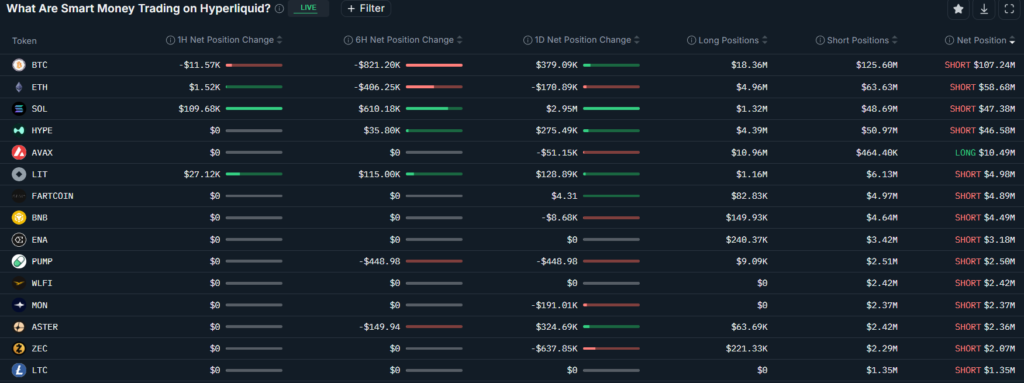
At the same time, so-called smart money traders, defined as the most profitable wallets by historical returns, are positioning defensively. Nansen data indicates these traders were net short on Bitcoin by about $107 million, along with most major cryptocurrencies, excluding Avalanche.
Spot buying activity among whales has been particularly notable in Ether. Over the past week, large holders acquired more than $41.9 million worth of Ether across 22 wallets, representing a sharp increase in accumulation compared with previous periods.
A split market ahead of refund season
The contrast between cautious derivatives positioning and steady spot accumulation highlights a market divided on short-term direction. Wells Fargo’s thesis suggests that an external liquidity event, such as tax refunds, could tilt the balance if it coincides with improving sentiment.
Whether the YOLO trade truly returns will depend on how retail investors respond once refunds arrive. For now, Bitcoin sits at the intersection of policy changes, seasonal cash flows, and shifting risk appetite, with late March shaping up as a key test for the market.
Leave a Reply